The Ternus Era: Apple’s New CEO Inherits a $600 Billion Juggling Act
Toggle Dark Mode
John Ternus will face several challenges when he officially takes over as Apple’s CEO in September, not the least of which are the ongoing massive hikes in RAM pricing. That’s going to lead to pressure from all sides, as consumers push for minimal retail price hikes, investors aim to keep profits high, and the Trump administration continues to exert pressure to bring manufacturing to US shores.
Apple formally announced last week that long-time CEO Tim Cook is stepping down as the company’s top executive on September 1, 2026, handing the reins over to Ternus, who has served as senior vice president of hardware engineering since early 2021.

When Ternus assumes the Apple throne, he’ll be the one making the key decisions that will affect Apple’s global supply chain — and could have an impact for years to come.
As usual, Apple is preparing for the release of its new iPhone lineup this fall, but this year is already expected to mark a big change in Apple’s strategy, as it prepares to introduce its first foldable iPhone alongside the iPhone 18 Pro and iPhone 18 Pro Max. While analysts believe Apple has already locked-in memory and storage pricing for this year’s models to avoid price hikes, Ternus will now be the one forced to deal with the ever-increasing prices of these components as Apple prepares for its next-generation of devices — including a highly anticipated “20th anniversary” iPhone.
While Apple’s purchasing power and favorable contracts with its suppliers have allowed it to stem the tide for now, those contracts do not run indefinitely.
Several industry executives, supply chain experts, and industry analysts told the Financial Times that they’re expecting Ternus to face some huge decisions early on in his reign.
Ternus will be inheriting some decisions that have already been made, such as supply chain contracts and other deals arranged under the leadership of Tim Cook, who has long been regarded as a master of logistics. For the most part, this suggests Ternus will mostly benefit from good deals, but some analysts believe he may also be forced to deal with less-than-favorable terms.
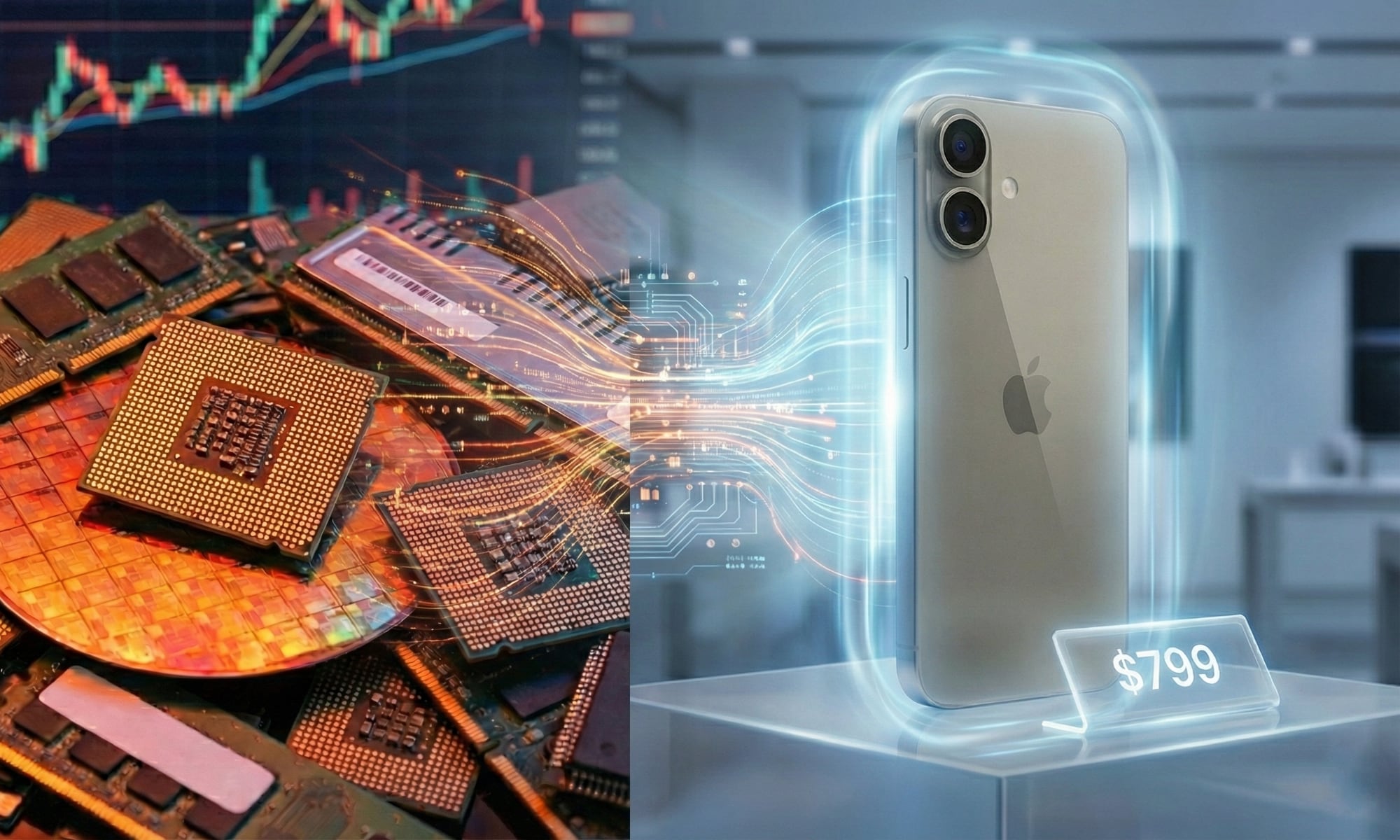
The massive increase in the use of artificial intelligence and the resulting buildout of AI infrastructure have resulted in a steep increase in RAM prices worldwide, as AI is a memory-hungry animal, and the end of its hunger is seemingly nowhere in sight.
Currently, memory costs account for a 10% share of the iPhone’s bill of materials. However, that’s expected to be 45% of the cost by the end of this year.
In the past, Apple has been able to dictate terms, thanks to the sheer size of the orders it would place for components. However, AI’s insatiable appetite for memory — and the willingness of AI firms to pay a premium for that memory — has pushed Apple back in line.
In addition to rising component costs, Ternus will also face pressure over just where those components are assembled, as the current administration is pushing Apple and other companies to return manufacturing back to US shores.
“US investment will be one of the critical drivers of Apple’s strategy over the coming years,” said Samik Chatterjee at JPMorgan. “For John Ternus, the question is: how do I position the company to be on the right side of both Washington and Beijing?”
Apple has been making moves in recent times to move its supply chain from a heavy reliance on China to a more global supply network. This has resulted in Apple moving much of its supply chain to India.
However, even as it shifts its supply chain to other countries, Apple still needs to keep China happy, as much of its device production still relies on Chinese sources — and it needs to balance that with how moves to placate Beijing will be viewed by the White House.
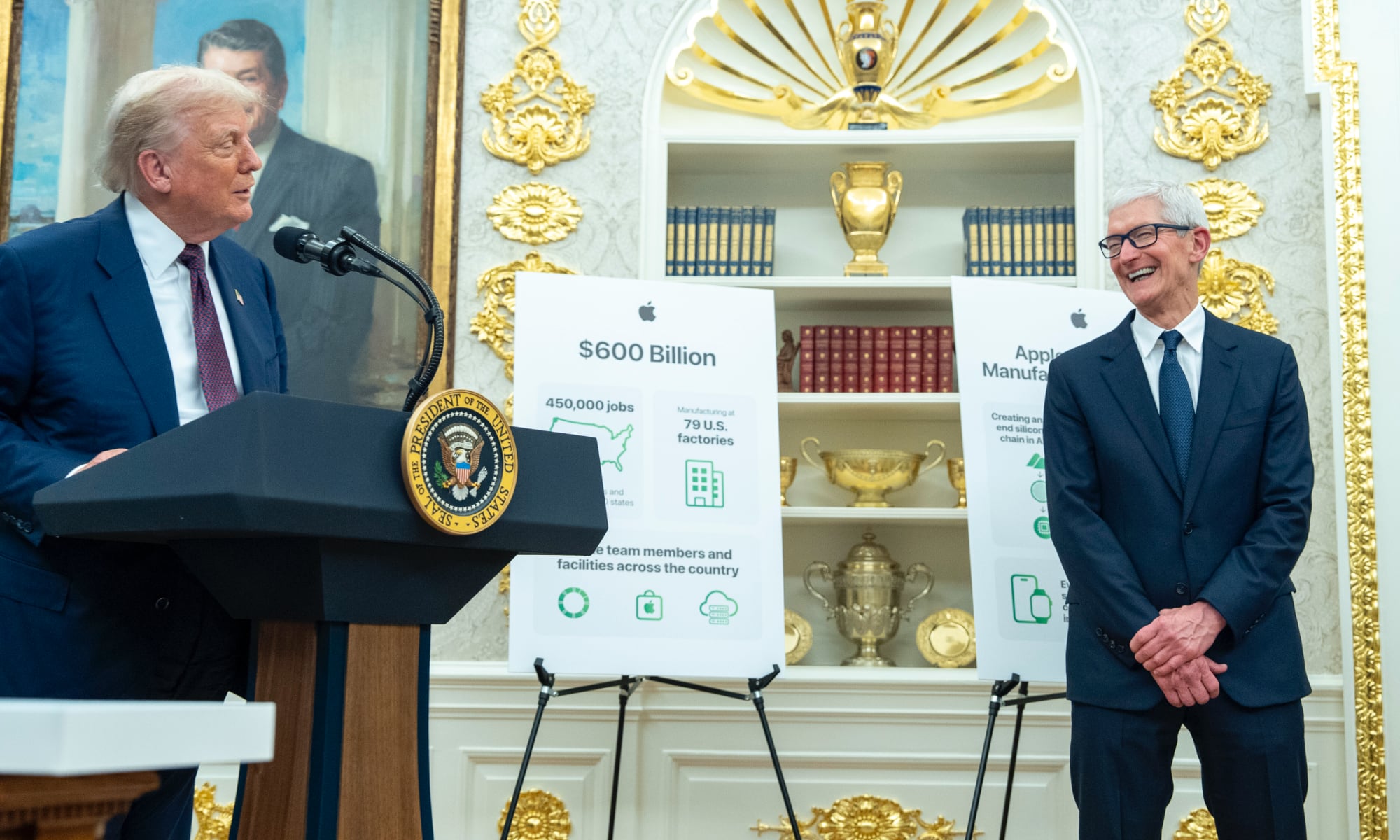
Ever since he returned to office, US President Donald Trump has called for manufacturing to return to the United States. In 2025, Apple announced a pledge to invest $600 billion into the US economy, although not all of that is in the form manufacturing investment, and the bulk of its supply chain remains offshore.
While Trump would certainly like to see iPhones being assembled in the US, Apple’s moves to bring other manufacturing back to the US, including the upcoming Mac mini assembly plant, seem to have placated him.
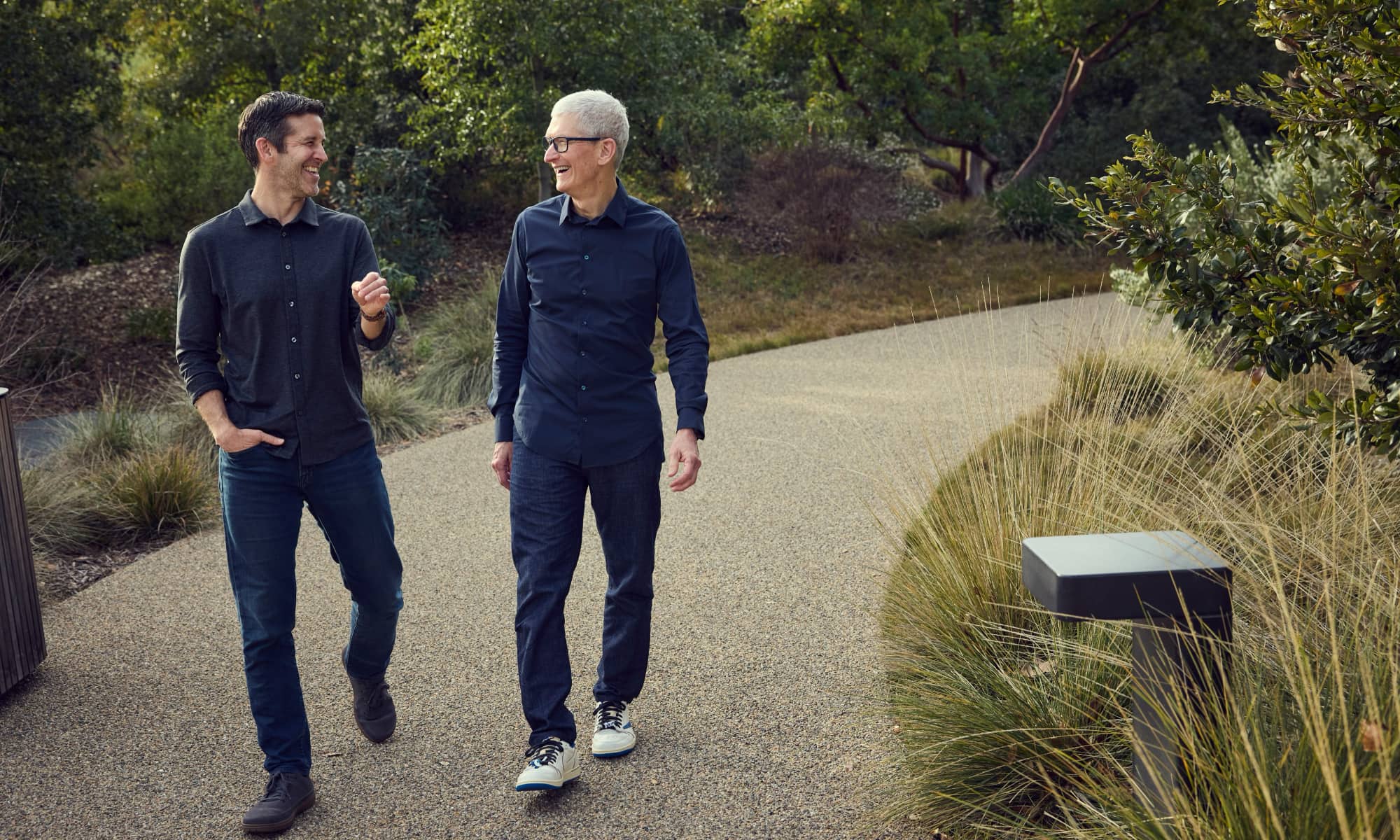
Fortunately for Ternus, he won’t be going it entirely alone. He’s likely to have some help from his predecessor and mentor, Tim Cook, particularly when it comes to navigating the trickier political waters. Cook is moving into the executive chairman’s office on September 1, where he will “assist with certain aspects of the company, including engaging with policymakers around the world” — which undoubtedly includes President Donald Trump. As executive chairman, Cook is still technically Ternus’ boss — the CEO reports to the board of directors — but it’s Ternus who will be in the hotseat, both as the new face of Apple and the person responsible for the daily decisions involved in running the company — and he’s going to face a juggling act that’s likely to get more complicated before pressures begin to ease — assuming they ever do.