Banks Get the Green Light to Sue Apple Over Transaction Fees
Toggle Dark Mode
Sometimes it seems like Apple keeps the entire legal industry in business, thanks to the multiple lawsuits the company is forced to fight on a regular basis. In the latest twist, the company is now the target of a class action lawsuit by US banks and credit unions over the fees it charges for Apple Pay.
Apple Pay Class Action Lawsuit
As reported by Mactrast, thousands of US-based financial institutions have been given the okay by federal judge Jeffrey White to pursue their claims against Apple as a class action lawsuit.
The banks and credit unions are alleging that Apple blocks their competing tap-to-pay wallets on the iPhone while charging card issuers fees for Apple Pay transactions. The financial firms argue Apple can charge those fees because rival wallets are blocked from offering contactless payments on the iPhone.
Judge White certified the class on September 23, while rejecting Apple’s attempt to exclude the plaintiffs’ damages expert. The ruling merely allows the banks and credit unions to file their complaint as a class action suit — it makes no comment on whether Apple is violating antitrust law or owes the institutions any money.
The case rides on the fee card issuers pay Apple for each transaction paid for via Apple Pay. Currently, issuers pay Apple 0.15% of the value of credit card purchases and half a cent for each debit transaction. While those fees may sound like small amounts of money, they add up to a nice tidy sum over a fiscal year.
The original lawsuit was filed in 2022 by Affinity Credit Union, GreenState Credit Union, and Consumers Co-op Credit Union, who argued that Apple couldn’t have sustained its Apple Pay fees if they had meaningful competition. The filing pointed to Android wallets that don’t charge transaction fees to card issuers.
The lawsuit alleges that by blocking rival wallets from using the iPhone’s NFC-based contactless payment hardware, Apple Pay is the only option left to make tap-to-pay card transactions. The credit unions say it is that lack of competition that allows Apple to charge inflated fees. The lawsuit asks for repayment of those fees, alongside changes to the practices they are challenging.
Apple naturally tried to convince a judge to dismiss the case, but a 2023 ruling allowed the monopolization claim to continue, although the judge did dismiss a separate allegation that Apple unlawfully tied iPhones to Apple Pay.
The newly certified class can include any US financial firm that issued an Apple Pay-enabled card and that paid Apple its pound of flesh for processing transactions with said card. The plaintiffs claim thousands of US banks and credit unions qualify to join the class action suit.
Judge White ruled that the court can resolve key questions for the entire suing class rather than separately for every issuer.
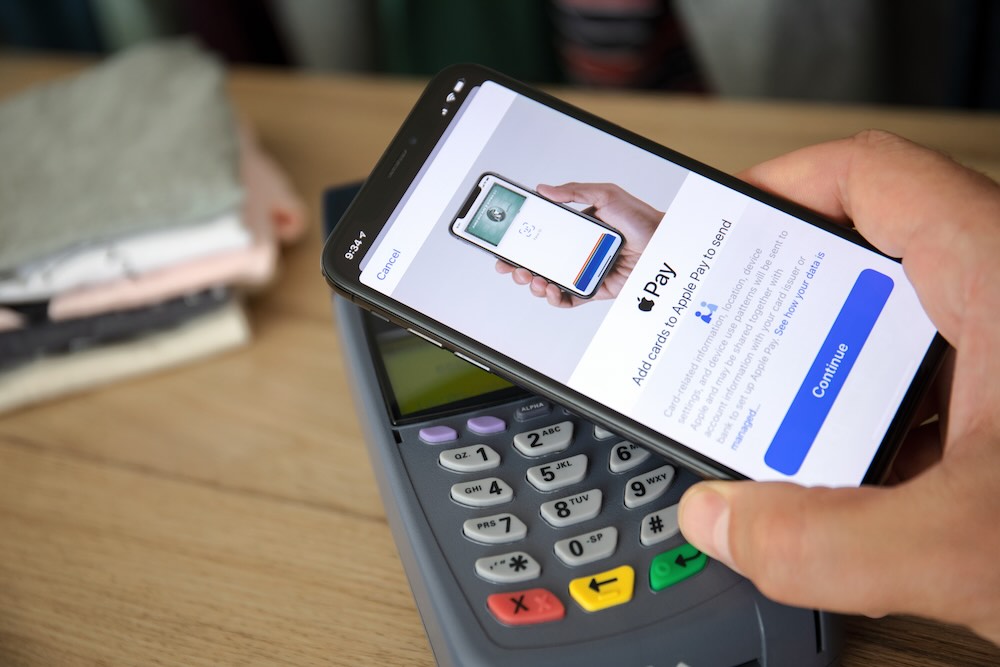
The court will need to address several questions, including whether Apple held monopoly power, and if so, did it use that power to harm competition or injure card issuers with the fees it charged. Apple’s uniform rates for credit and debit transactions could be used to calculate those overcharges if the issuers are able to prove their case.
The judge also ruled that Christopher Vellturo, the plaintiffs’ damages expert, will be allowed to testify. Vellturo has compared Apple’s issuer fees with the zero-dollar issuer fees of competing mobile wallets, using the difference to calculate how much class members may have overpaid and be owed.
Apple had challenged Vellturo’s methodology and had requested that the court exclude his testimony. However, since Apple’s objections centered around how convincing the expert’s analysis is, Judge White ruled that the company would be free to challenge his assumptions and conclusions as the case moves forward.
It should be noted that Apple has changed the way it does business since the lawsuit was filed. Apple opened up its contactless payment hardware to third-party apps in iOS 18.1 in late 2024, meaning any bank, credit union, or other financial payment provider can build an app to handle contactless payments on the iPhone without routing them through Apple Pay.
Developers still need to obtain Apple’s approval and sign an agreement that may include “applicable fees for the use of the NFC & SE Platform,” but those are separate from the Apple Pay transaction fees that are being challenged in court.