Apple’s ‘Pro and Tell’ October Event is Official: Here’s What to Expect
Toggle Dark Mode
Following a report last week that Apple was planning an “all-day product launch experience” on October 28, the company has just begun sending out the official media events, with Apple marketing chief Greg Joswiak dropping a teaser on X.
The week is widely expected to see the unveiling of Apple’s first MacBook to feature a touchscreen, as well as more minor refreshes to bring the M6 chip to the 14-inch MacBook Pro and 24-inch iMac, both of which are expected to remain otherwise unchanged.
Apple is also expected to round out the product release extravaganza with an OLED iPad mini, likely featuring an A20 Pro chip and some other subtle design changes, such as moving the front camera to the long edge.
The tagline for the event is “Pro and tell,” which feels like it should effectively quash any lingering notions that the company is preparing to introduce a higher-end “MacBook Ultra” at the event. While reliable reports make it all but certain that we’ll see the touchscreen MacBook, there’s always been some debate on whether that would simply be a next-generation high-end MacBook Pro or a fourth-tier above the current MacBook Pro lineup.
Personally, my money was always in the MacBook Pro camp. That’s partly because “Ultra” didn’t make much sense as a suffix when Apple still has a chip of the same name, but also simply because the MacBook Pro has already gotten ridiculously pricey with recent price hikes. The 14-inch M5 Pro MacBook Pro now starts at $2,499, and can easily hit $5,000. It’s hard to imagine Apple releasing a higher-end lineup that’s even more expensive.
However, after five years of the same design, it’s about time for Apple to change things up. The new MacBook Pro won’t be solely about a touchscreen; Apple also plans to go OLED and use that as an opportunity to refresh the design. This will only come to the M5 Pro and M5 Max models, with Apple leaving the entry-level 14-inch MacBook Pro unchanged except to bump it to an M6 chip.
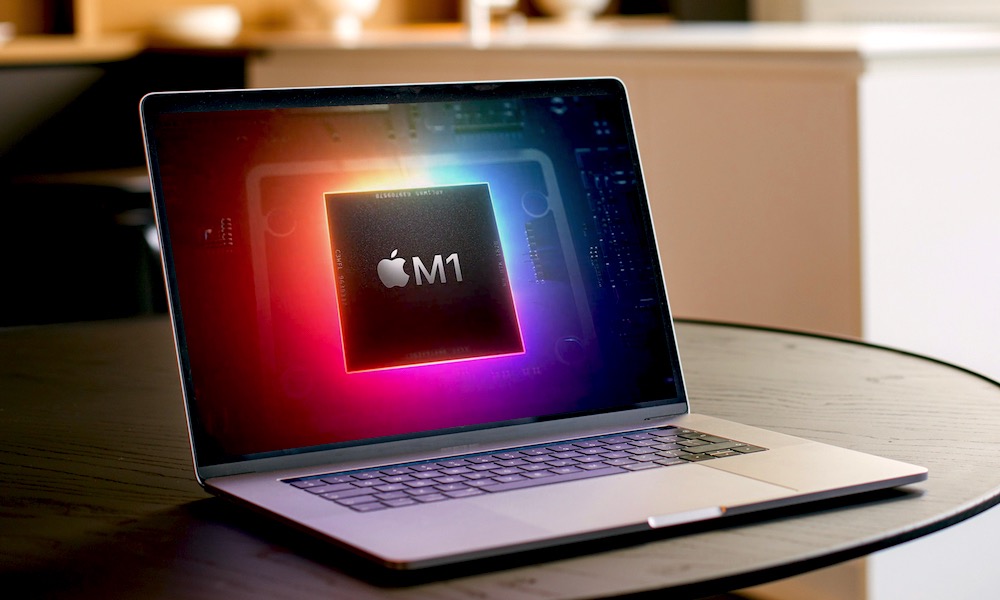
This will mirror what Apple did when it introduced Apple silicon in 2020. The M1 chip came to a 13-inch MacBook Pro that looked every bit the same as its Intel-based predecessor. A year later, Apple introduced new 14-inch and 16-inch MacBook Pro designs with the more powerful M1 Pro and M1 Max chips, making the lineup somewhat awkward. That distinction continued into the M2 era, until Apple finally unified them by adopting the new design for the 14-inch M3 MacBook Pro in late 2023.
Now it looks like Apple will be splitting them up again, at least for a little while. Some reports suggest that the M7 MacBook Pro will rejoin the family with an OLED panel, although it may not gain the touchscreen. Reports of an early 2027 refresh for that also seem a bit too soon; we’d be surprised if we see that one before this time next year.
Limiting the touchscreen to the higher-end MacBook Pro models would also mirror what Apple did with the first OLED technology to grace a MacBook Pro in 2016, when Apple added the controversial Touch Bar.
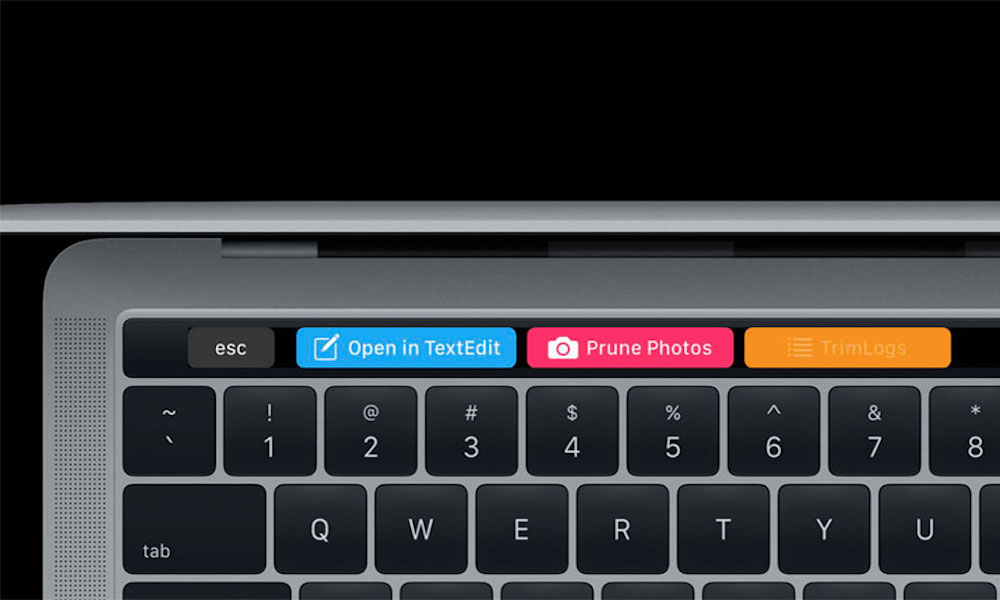
That eventually came to the entry-level 13-inch MacBook Pro, but it took until 2019, ironically arriving two years before Apple nixed it on the first higher-end Apple silicon models. It lived on until 2023 only because the M1 and M2 MacBook Pro retained the legacy 13-inch design.
The new touchscreen MacBook Pro models are widely believed to pack in the same M5 Pro and M5 Max chips as those released in March, since Apple is reportedly skipping the Pro and Max variants of the M6 to focus its efforts on the next-generation M7 chips.
While two MacBook Pro releases in one year may seem unusual, it’s not unprecedented. The M2 Pro/Max MacBook Pro models debuted in January 2023, less than ten months before their M3 counterparts arrived — and those didn’t even feature any significant design changes. This time around, the chips will likely remain the same, but the screen will be a whole new ballgame.