The $599 Mac mini Is Dead: Long Live the MacBook Neo

Toggle Dark Mode
We first saw indications early last month that Apple was facing shortages of the Mac mini and Mac Studio, with shipping times stretching several months into the future for orders placed during the first week of April. Things haven’t gotten any better since then, and it appears that Apple is continuing to pull certain configurations from the lineup as a result.
In March, Apple quietly removed a Mac Studio on the high-end — the configuration with a beastly 512 GB of RAM — but now it appears to be doing the opposite with the Mac mini, removing the lowest-end version and effectively forcing buyers to shell out an extra $200 for the entry-level desktop experience
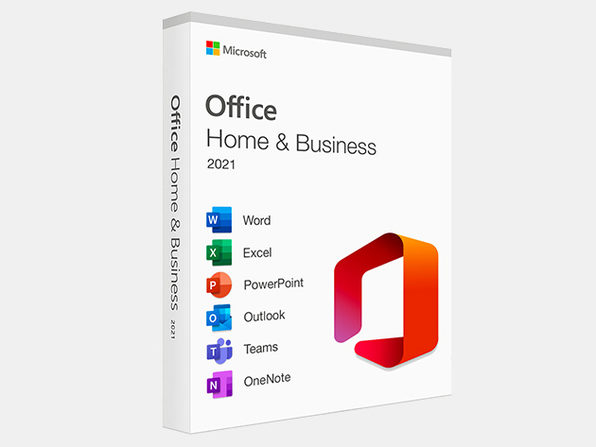
The first hints of this appeared last week when the Mac mini with 256 GB of storage showed as completely out of stock — “currently unavailable” for delivery. That’s a status that’s virtually unheard of on the Apple Store, which usually just pushes shipping times far into the future. After all, Apple makes these products, so it’s impossible to run out of stock unless it decides to stop doing so.
That status effectively put the writing on the wall, so it wasn’t a big surprise to find the $599 model pulled from Apple’s website entirely, effectively rendering it discontinued.
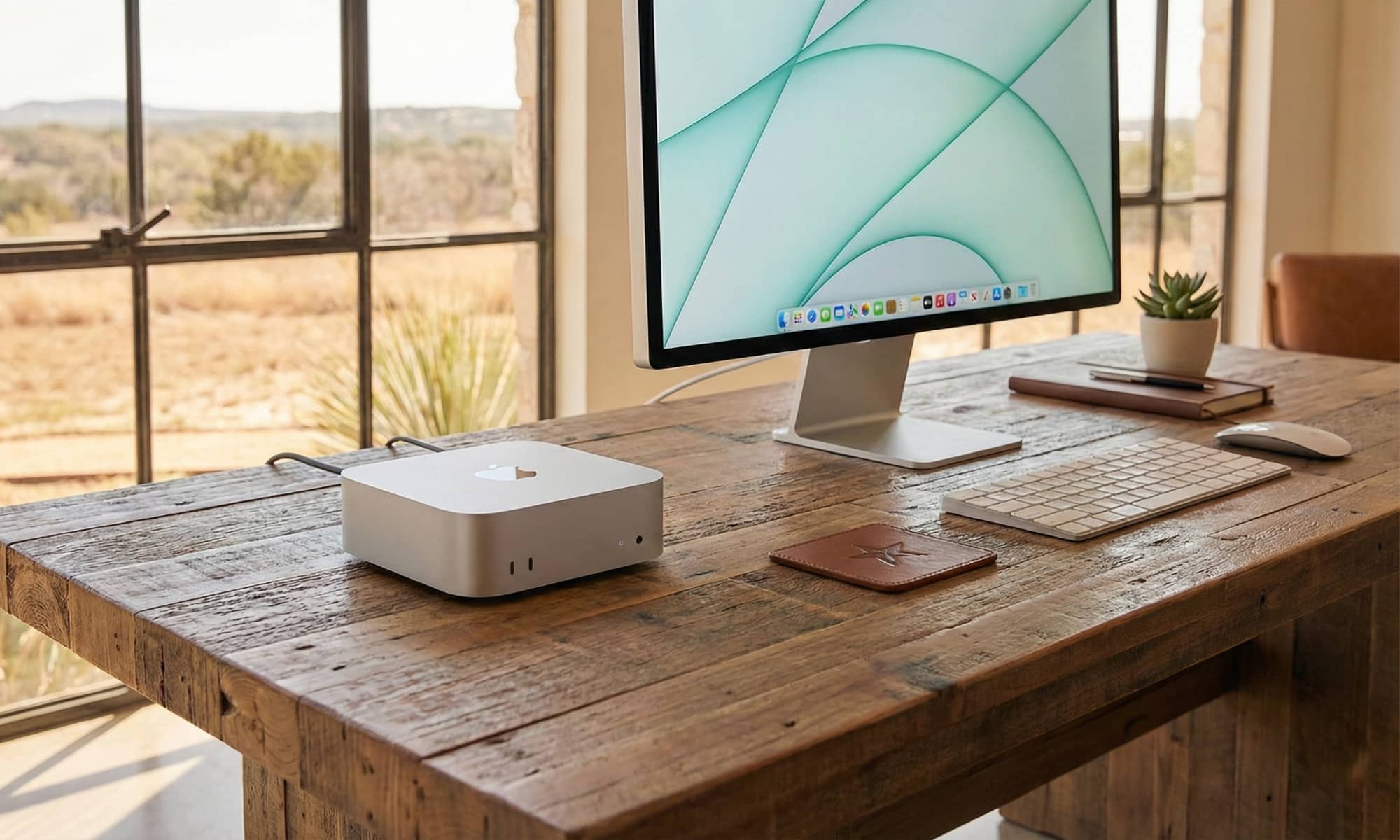
While the move is undoubtedly the result of supply chain shortages, there also seems to be a supply and demand imbalance for Apple’s desktop Macs. During last week’s Q2 2026 earnings call, Apple CEO Tim Cook explained how the Mac Studio and Mac mini have become hot commodities as buyers gobble them up to do AI work. Calling them “amazing platforms for AI and agentic tools,” Cook added that “the customer recognition of that is happening faster than we predicted, so we saw higher than expected demand,” and he expects them to be in short supply over the next few months.
Still, there’s a difference between long shipping delays and discontinuing a model outright. It’s not hard to imagine increasing chip costs putting pressure on Apple here, but there’s also a strategic factor in play that makes it easier for the cheapest Mac mini to exit stage left: the MacBook Neo.
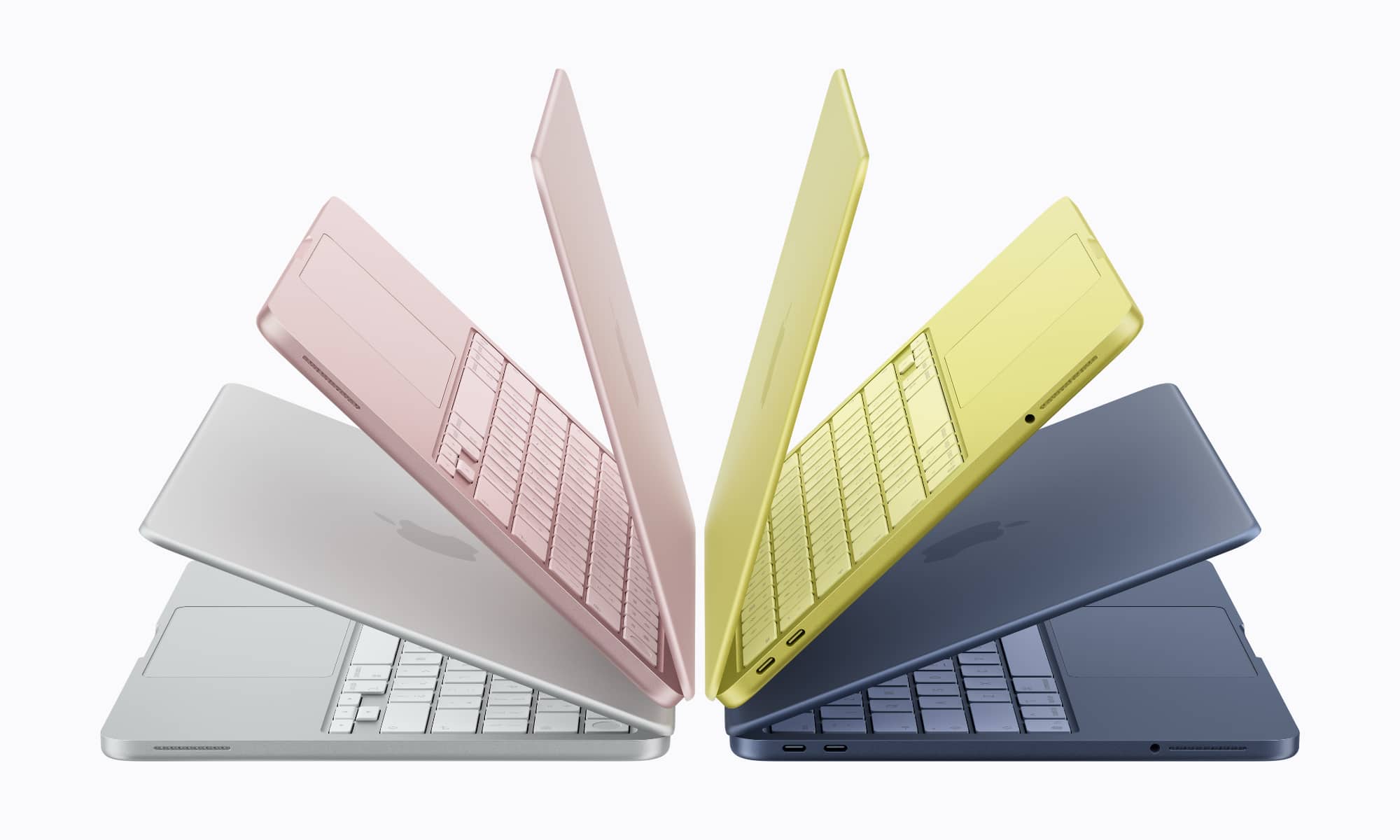
For the better part of two decades, the Mac mini has been by far the most affordable way into the Apple computing ecosystem. In an era when even the cheapest MacBook Air was $999, the Mac mini allowed the Mac-curious to dive in for $599 — as long as they were willing to supply their own screen and keyboard. While the iPod gave me a first glance at life on the other side of Windows, it was the Mac mini that eased me into the world of OS X back in 2006.
While there are still reasons to opt for a Mac mini, it’s a much harder sell in a world where it’s now competing with the MacBook Neo. After all, you still have to bring your own peripherals to the Mac mini, while the Neo includes everything most folks need for its $599 price tag in a much more portable package.
Plus, only Apple knows what its sales figures look like for certain, but if the market for the Mac mini has truly shifted from casual users to AI studios looking for professional workflows, then Apple can afford to up the cost of entry without the risk of losing sales. The MacBook Neo exists for budget conscious users — and it’s a far better option for most anyway — while companies who are using the Mac mini to build farms of AI servers aren’t likely to be dissuaded by a $200 price bump.