Secret macOS iPads Exist Inside Apple Park — Just Don’t Expect to Buy One
 Daniel Romero
Toggle Dark Mode
Apple did the unthinkable last month: it released the toaster-fridge.
After years of insisting there was a hard line between the iPad and the Mac, and never the twain would meet, the company unveiled the MacBook Pro with PROLED XDR Display — a fancy name for what ultimately boils down to a MacBook with a touchscreen.

That blurred line may have raised a new question among Apple enthusiasts. Now that macOS has been coded to be entirely touch-worthy, how long will it be before Apple simply scraps iPadOS and brings macOS to its tablets? After all, while we’d have once thought that would be a cold day in hell, Apple also said it would never release a touchscreen Mac. And then it did.
It’s also not like Apple hasn’t thought of the idea of running macOS on an iPad. In fact, if what Bloomberg’s Mark Gurman said yesterday is accurate, the company has done more than merely pondered the idea. In his Power On podcast, he said there are actually, at this moment, iPads inside the walls of Apple Park running not iPadOS, but macOS.
Apple has iPads internally running macOS, and they’ve had that for some time. The fact that they have the underlying architecture of Apple silicon that’s the same on the iPad and the Mac gives them the flexibility in order to test these types of things.
Mark Gurman
However, before you get your hopes up, Gurman is doubtful in the extreme that Apple will actually bring macOS to the iPad itself. That’s not mere opinion on his part, either, as he says he’s checked with his sources and there are no plans underway for this move beyond Apple’s skunkworks — “no work being done to consumerize macOS on the iPad,” as he puts it.
If anything, the presence of macOS on the iPad likely contributed to Apple’s redesigns in macOS 27, which naturally now have to accommodate touchscreen interactions with objects that were once the exclusive domain of mouse pointers. Working through that on an iPad would give user experience designers a true firsthand feel for how macOS would operate under traditional touchscreen constraints.
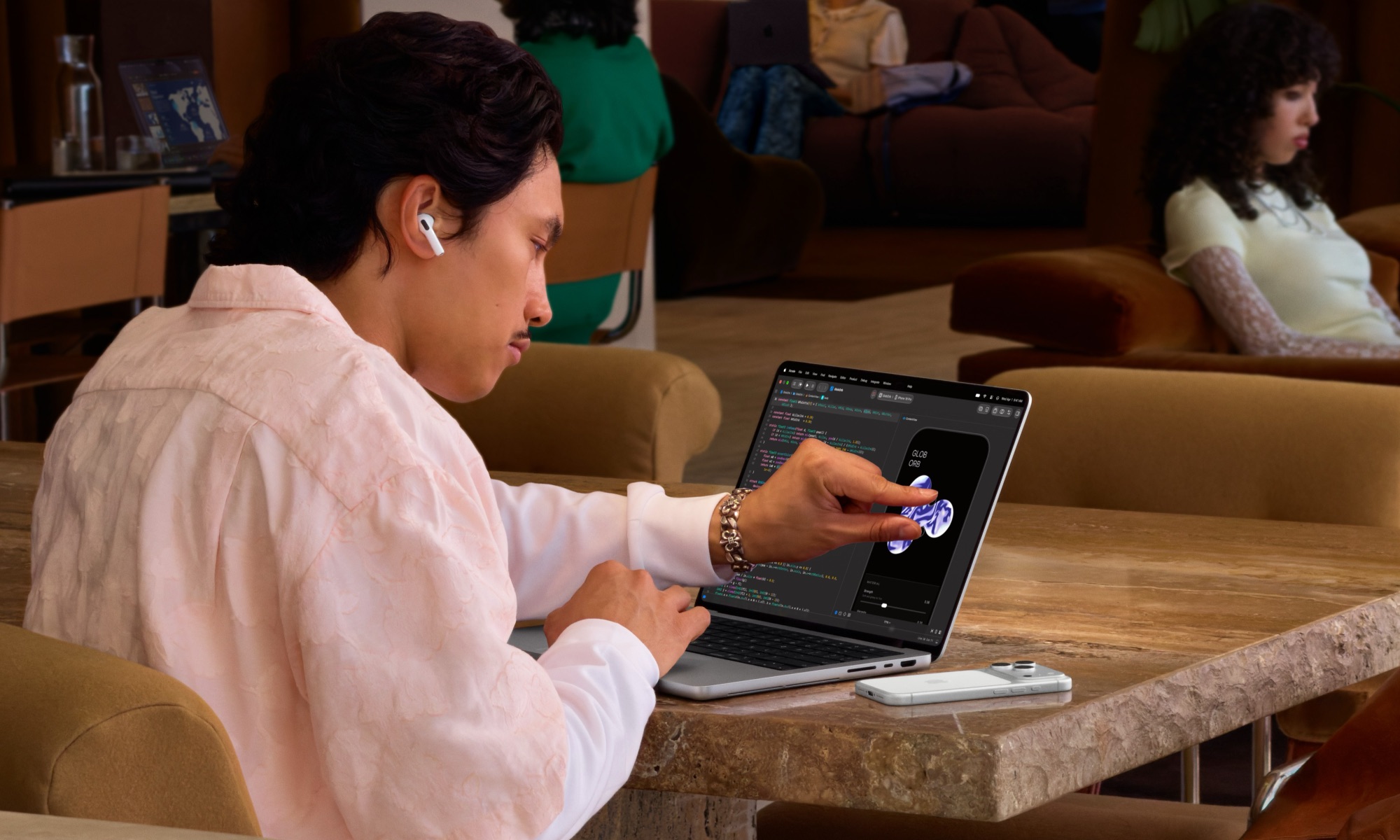
Still, there’s a pretty massive gulf between the new touchscreen MacBook Pro and any iPad on the market. Yes, the MacBook Pro with PROLED XDR Display can be interacted with via touch, but that’s not the sole or even primary method of interaction. In fact, it’s something that kind of hides in the background unless you really want to use it. You could be forgiven for forgetting the new MacBook Pro even has a touchscreen, as it still works like a Mac in every other way.
In other words, you don’t have to touch the MacBook’s screen to do anything at all, but you can if you really want to.
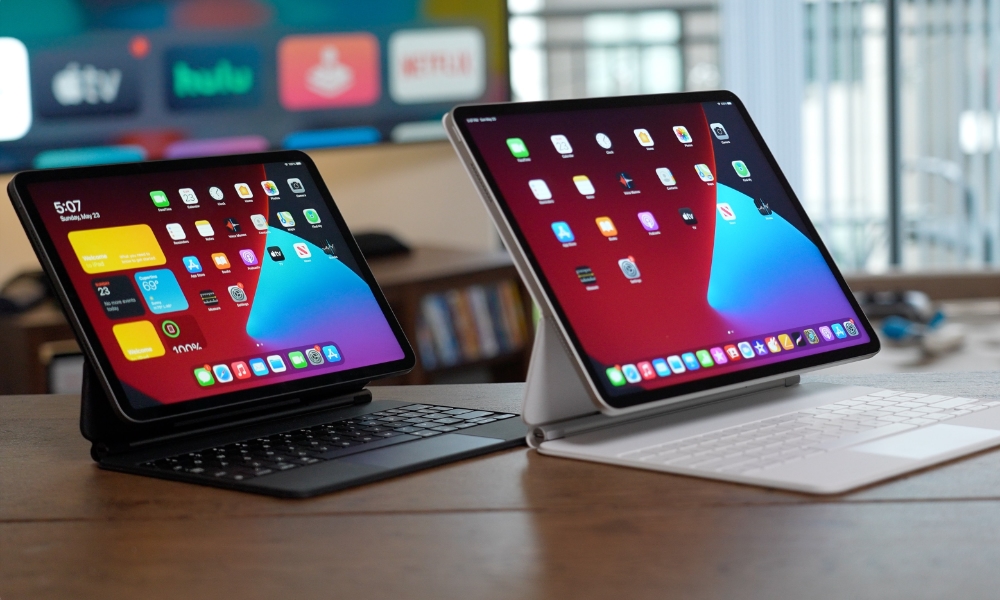
By contrast, iPadOS is 100% a touch-first interface. Even when you slap a Magic Keyboard onto the iPad Pro, or add your own Bluetooth keyboard and mouse, the iPad screams to be touched. There are things you can’t do at all on an iPad without putting your fingers on the screen, and even many of the things that can be accomplished from a keyboard and mouse or trackpad are still easier through onscreen taps and swipes.
That’s not where macOS exists right now. Running macOS on an iPad without an external keyboard would be an exercise in frustration, and the iPad isn’t really designed to be a device that relies on an external keyboard to do its thing.
Tablets are mostly for those folks who want the flexibility of a touchscreen device that can be paired with a keyboard when needed, while the MacBook remains the tool of choice for those who still prefer to work primarily with their fingers on physical keys and trackpads.
That gulf exists for a reason, and as someone who has genuinely tried to live my life on an iPad Pro with a Magic Keyboard, I’m pretty confident it’s not going to be narrowing significantly anytime soon.
[The information provided in this article has NOT been confirmed by Apple and may be speculation. Provided details may not be factual. Take all rumors, tech or otherwise, with a grain of salt.]