Visited an Apple Store Recently? You May Want to Check Your Subscriptions
Toggle Dark Mode
Electronics technician and consumer rights advocate Louis Rossmann has posted a series of YouTube videos over the past two weeks exposing how some Apple Store employees are reportedly signing up customers during their in-store visit for subscription trials for various Apple services, such as Apple One, without obtaining informed consent.
The videos show that when a customer visits an Apple Store in the United States, the following happens:
- A customer enters the Apple Store.
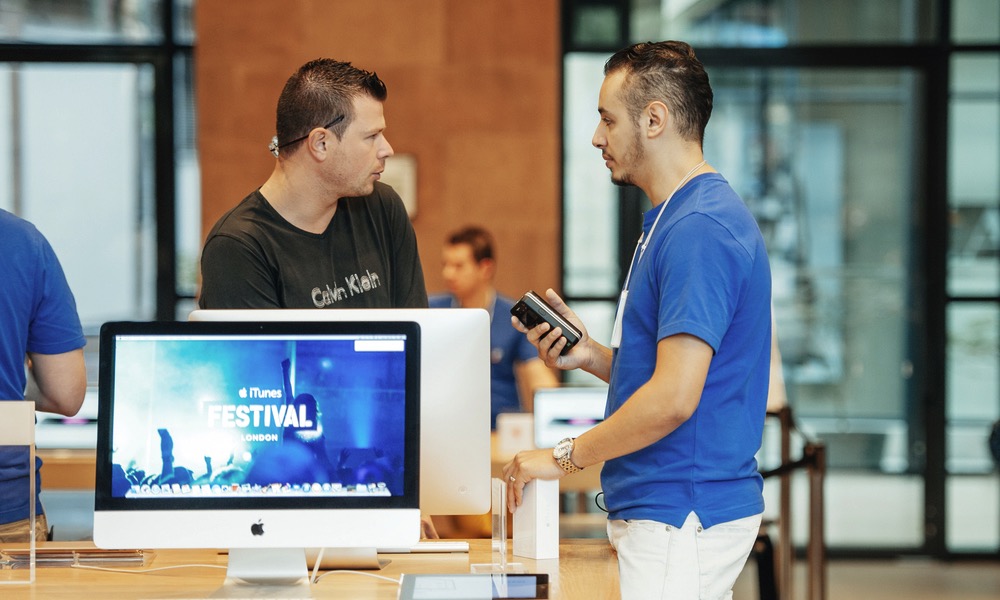
- An employee of the store approaches the customer and asks if they would like to scan a QR code for a “personalized shopping experience.”
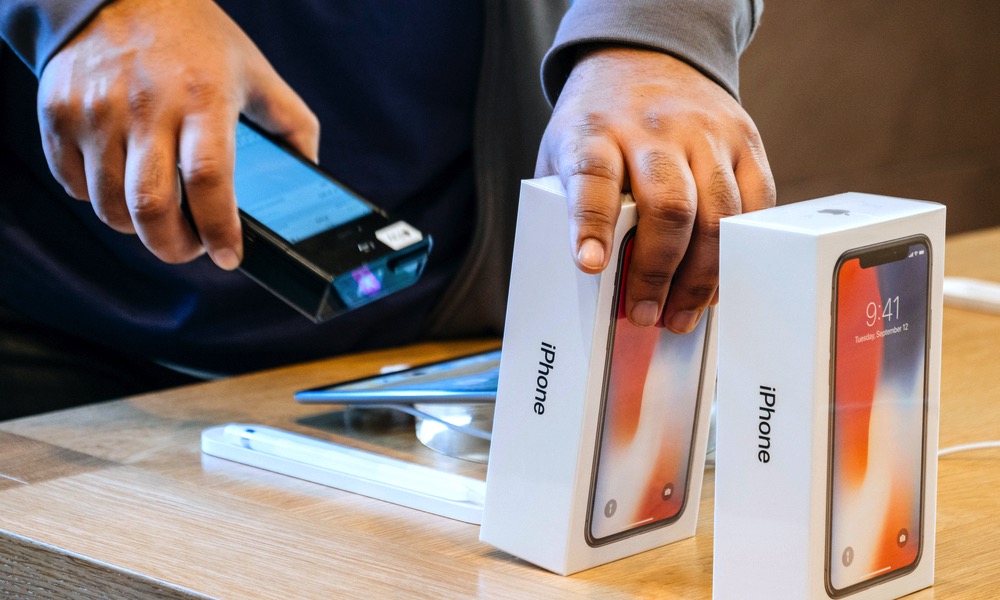
- If the customer agrees to do so and scans the QR code, the employee can then access some of the customer’s information on their company-issued device, known internally as an “Isaac.” The information displayed includes a list of the Apple devices owned by the customer, the Apple services they’re currently subscribed to, and which Apple services subscription offers are available to them as a result of their recent purchases.
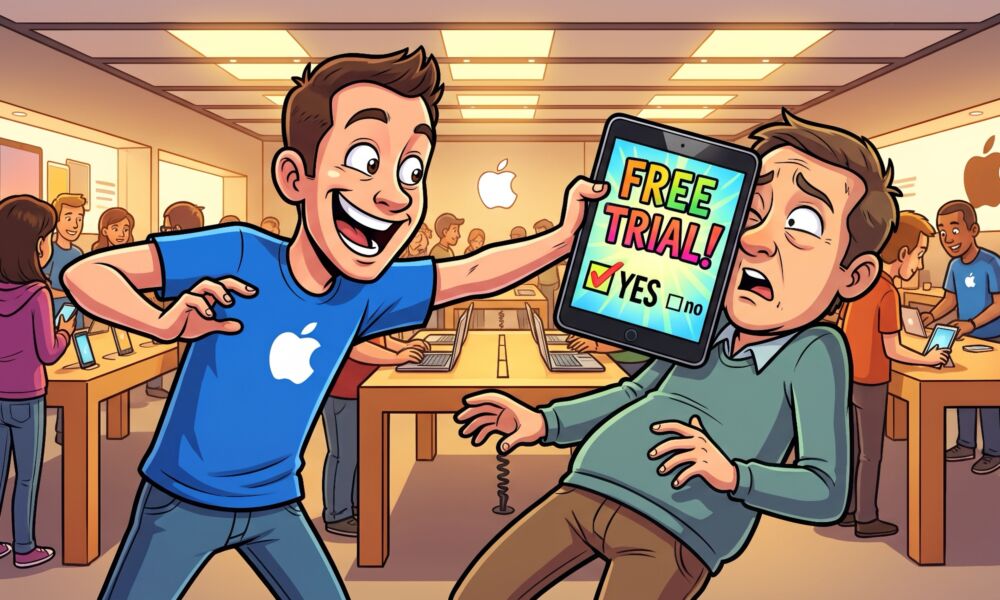
- The employee then shows the customer a list of available subscription offers on the employee’s device, which includes “Agree” and “Decline” buttons for each offering. If the customer agrees, they are signed up on the spot for a free trial. If the customer doesn’t cancel the service before the end of the trial, their Apple Account’s default payment method will be automatically charged.
Convenient, right? Well…
According to Rossmann’s tipsters, some employees are allegedly activating these trials without fully explaining how the customers will be automatically charged at a later date. The sources claim some employees would rush through the process and gloss over details, while others were told to present the trials as “gifts.”
Until recently, Apple tracked something called a “services attach rate” in its Orchard system. That’s metrics-speak for “how many customers did the employee talk into signing up?”
The company target in Orchard was said to be 40% at some US stores, which was up from a reportedly earlier 25%, but tipsters noted that this was just the baseline; the actual target is apparently dynamic and had reached 60% to 80% at several stores.
That meant employees were “encouraged” to sign up at least four out of every ten customers they assisted with a device purchase to also opt into least one subscription.
This allegedly led some Apple Retail employees to push their “services attach rate” as high as possible by tapping the “Agree” button themselves without receiving the customer’s informed consent. It’s telling that employees who stated that they clearly disclosed the recurring billing to customers saw much lower attach rates — typically under 15%.
In addition to Apple One, customers also saw themselves signed up for three-month trials of standalone subscriptions to Apple Music, Apple Fitness+, Apple News+, Apple Arcade, and even Apple Creator Studio.
While Apple does send an alert email to customers when a new trial has been activated on their accounts, many customers don’t pay much attention to such alerts — particularly if they already have several Apple services. They also may not realize that the email is alerting them to a subscription that will automatically renew later, especially if they purchase it alongside a new device, where it’s often listed as a $0.00 line item on the receipt.
As originally reported by MacRumors, Apple removed the services metric for employees early last week, mere days after Rossmann’s videos were first published. However, an Apple spokesperson (possibly the same marketing person who came up with “personalized shopping experience” and “services attach rate”) provided the official explanation that the metric was removed purely because it’s less relevant during the holiday season, due to customers often purchasing Apple products not for themselves, but as gifts for others.
Apple later issued an internal memo to retail employees reminding them to respect customer privacy and to always obtain consent when using the “Connect and Personalize” system, not only when offering subscription trials, but also when dealing with customers at the Genius Bar and in other situations.
Apple issued the memo just ahead of the first weekend of Apple’s holiday shopping season, which began on Friday.
The timing of Apple’s moves makes it tough to determine if they were made only due to the holiday shopping season’s kickoff, or due to Rossmann’s video releases. Either way, perhaps customers won’t wake up with surprise charges on their credit cards down the line.
Pro Tips
Remember, any time a company (even Apple) asks if you’d like a “personalized customer experience,” they are collecting data. If they tell you they want to “better serve you,” they are collecting data.
I worked in the marketing department for two different companies and also worked six months at an Apple retail store. I know of what I speak. I would like to point out, though, that my service at Apple took place back in 2010, which was an entirely different era in Apple retail.

It’s a good idea to check your Apple subscriptions from time-to-time to ferret out unwanted subscriptions, whether they’re for Apple services or third-party apps where Apple is merely collecting the money.
Here’s how to check:
- Open the Settings app on your Apple device and then tap your name at the top of the screen
- On the next screen, tap Subscriptions. This will show you a list of active subscriptions that are on your Apple Account. It will show when they are due for renewal or are due to expire. It will also show trials, as well as inactive subscriptions
- Tap an individual subscription, then tap the Cancel Subscription or Cancel All Services button to cancel
If you’d like to dispute a transaction, you can contact Apple at reportaproblem.apple.com, select the “Request a refund” option, and follow the steps.
As always, regularly review your credit card or bank statements to ensure that you have not been charged for any subscriptions unexpectedly.