Apple’s $634M Patent Loss Just Got $184 Million More Expensive
 Apple
Apple
Toggle Dark Mode
We may all think our mortgage and credit card interest payments are high, but they’re nothing compared to what Apple is now being ordered to pay in interest after losing its appeal of a $634 million Apple Watch patent judgment. At least we certainly hope they are.
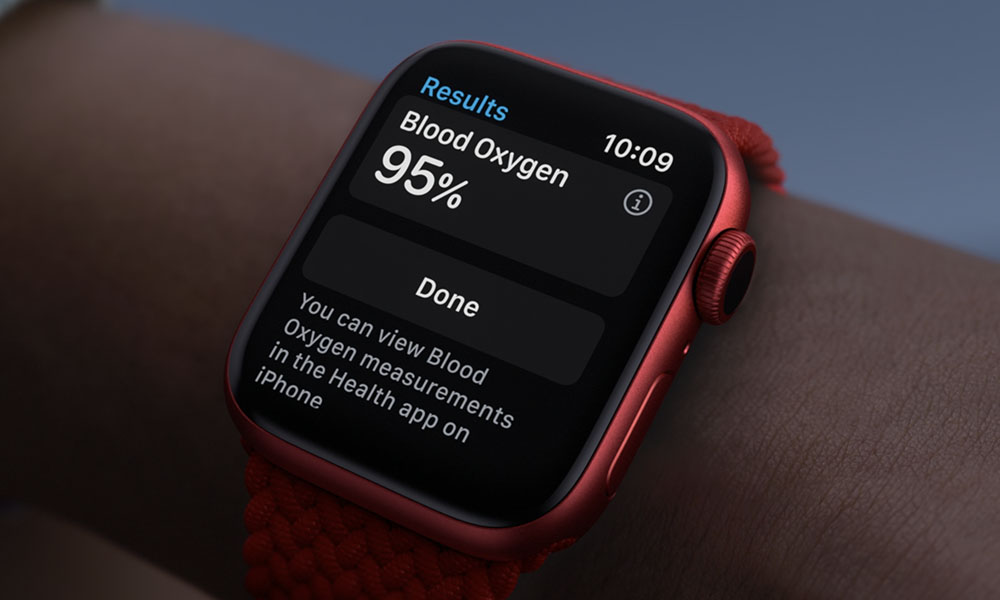
The long-running battle between Apple and California-based health tech company Masimo came to a final conclusion in July. After Apple was hit with a $634 million jury verdict in November 2025, the company naturally appealed that decision, claiming that the court erred in considering the Apple Watch a “patient monitor” — a term meant to apply to clinical monitoring equipment.
US District Judge James V. Selna didn’t buy that argument, rejecting Apple’s final appeal in July, resulting in the $634 million fine coming due — and apparently doing so with interest.
According to Bloomberg Law, Apple now owes an additional $184 million in interest as a result of that verdict. Apple naturally contested that decision, claiming that this would “constitute a windfall for Masimo,” but Judge Selna rejected that argument, citing the US Supreme Court’s guidance that “interest from the time that the royalty payments would have been received merely serves to make the patent owner whole,” and is therefore not a “windfall to Masimo.”
To be clear, the interest isn’t being charged on the fine itself, but rather on the royalty payments that Apple should have made to Masimo during the years in which it infringed the company’s patents. The $634 million judgment covers the effectively missed principal payments for royalties, but also includes other damages.
That said, Judge Selna split the difference between the interest rates requested by both parties. He rejected Masimo’s request for a 7% interest rate under the California Constitution ($242.7 million), but he also turned down Apple’s push for the lower T-Bill rate ($114.5 million). Instead, Judge Selna concluded that Masimo’s effective borrowing rate of 5.09% served as a “closer proxy for any harm that Masimo suffered.” Using the logic of Apple’s argument (but not the rate), Judge Selna decided that there is “no reason to not simply use Masimo’s cost of debt, calculated by Apple’s expert.”
If you think a $634 million patent judgment sounds high, you’re not wrong. It’s one of the largest amounts ever awarded in a consumer technology case like this, and while it’s well below Masimo’s requested maximum of $749 million, it’s an order of magnitude above the $3 million to $6 million that Apple was arguing it should have to pay — if it had to pay any damages at all, since it was arguing that it never infringed on Masimo’s patents in the first place.
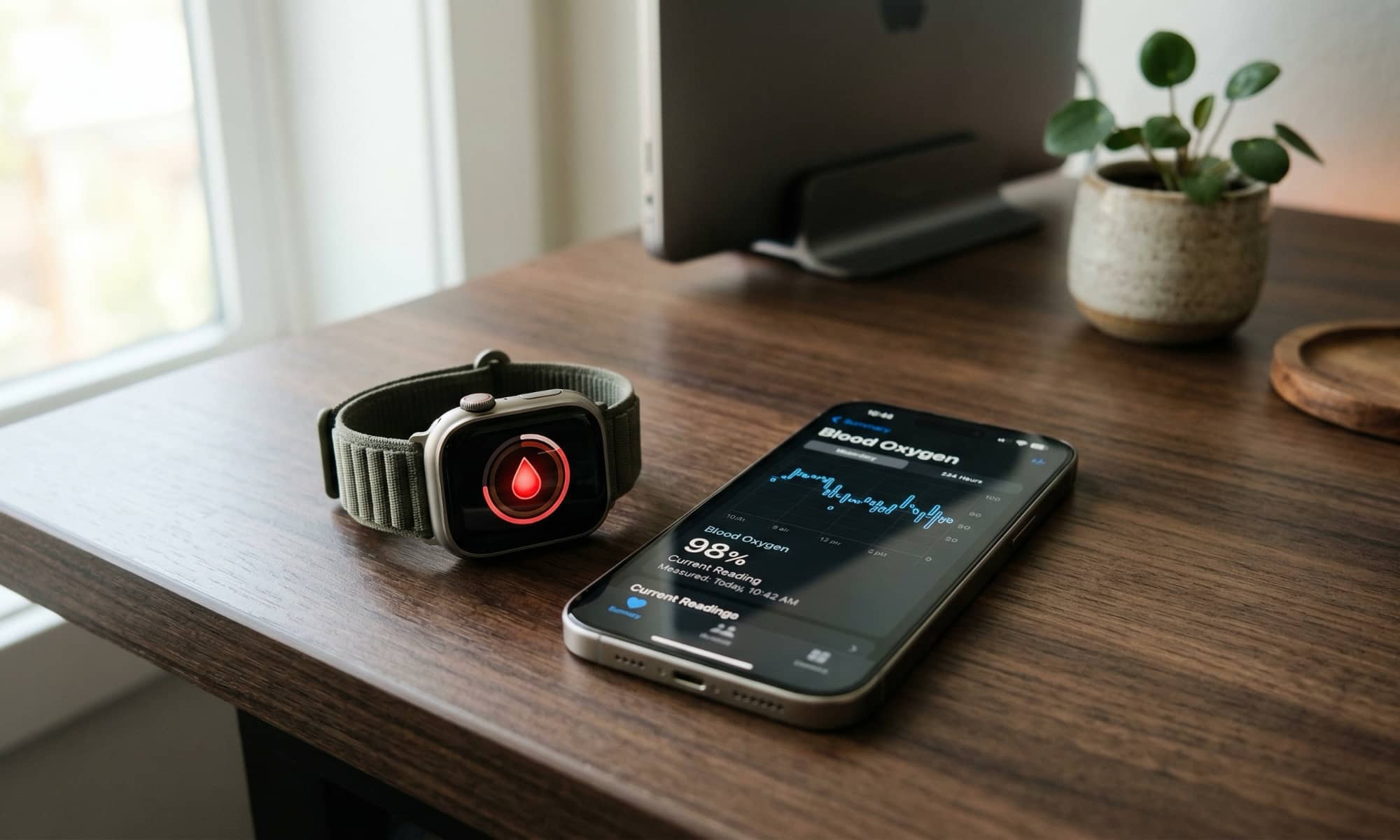
This particular patent trial is distinct from the US International Trade Commission (ITC) decision that saw the Apple Watch Series 9 and Ultra 2 banned from import and sale in the United States. Apple was able to avoid a complete ban on those wearables by disabling the blood oxygen sensing technology, but it wasn’t until a year and a half later, in August 2025, that it came up with a workaround to restore the blood oxygen feature in an alternative way that used the iPhone to perform the analysis, and therefore didn’t infringe on Masimo’s patents.
However, none of this made up for the fact that Apple had sold Apple Watch models in the United States with blood oxygen sensing technology for over three years before the ban was imposed. Masimo had already successfully convinced the ITC that Apple’s technology infringed on its patents, so it wasn’t too surprising that it was able to convince a jury in a patent trial of the same thing, resulting in damages and royalty backpayments — now with interest — for the Apple Watch models that were sold in the US with blood oxygen sensing enabled — the Apple Watch Series 6, Series 7, Series 8, and Ultra, as well as the Series 9 and Ultra 2 for the four months before they were banned.