2026 iPad mini Expected to Get a ‘Major Processor Leap’ — But Which One?
Toggle Dark Mode
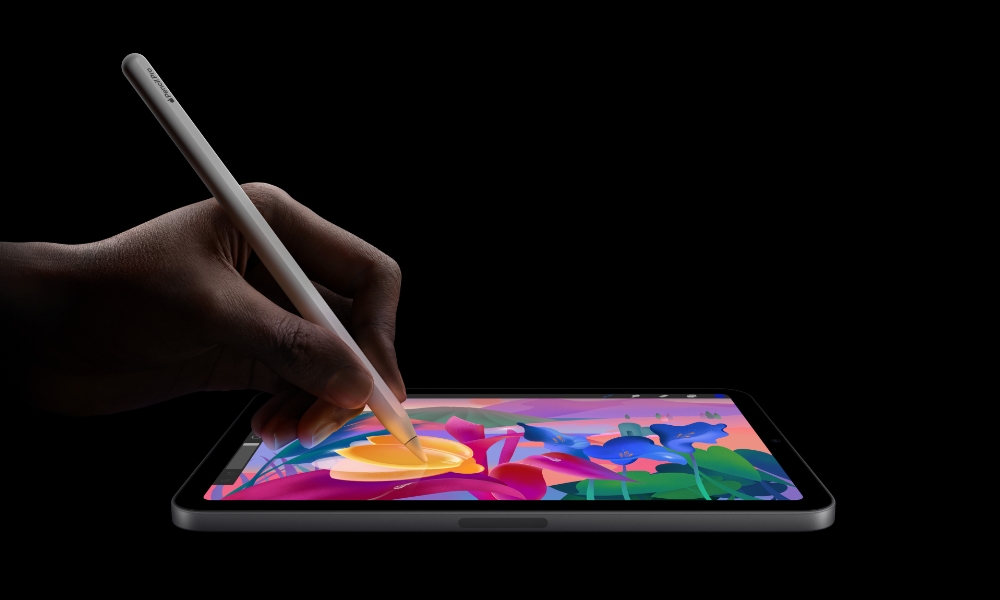
If the latest reports are true, we can expect only one more iPad this year, but it could be worth the wait. We’ve already been hearing for a while that Apple’s iPad mini is next on deck to get the OLED treatment, but now it looks like we could be seeing another big spec bump.
In this week’s Power On newsletter, Bloomberg’s Mark Gurman says we can “expect a major processor leap.” That will come alongside the OLED screen, which he describes as a “far more premium experience,” but he stops short of offering any additional details on either.
That leaves the next upgrade of Apple’s smallest tablet shrouded in a bit of mystery on both counts. While an OLED panel is all but completely certain, several reports have said it will remain capped at 60 Hz, rather than adopting the 120 Hz ProMotion displays that are now standard across nearly all iPhone models.

What chip will come to the next iPad mini has always been a trickier question, and Gurman’s latest comments have only made the discussion more interesting.
The iPad mini doesn’t exactly run on a rapid-fire release cycle, which also means its silicon upgrades tend to be massive leaps simply because of the amount of time that elapses between each model.
In fact, there have only been three iPad mini tablets released in the modern iPad era: the iPad mini (5th generation) in 2019 with an A12 Bionic chip, the iPad mini (6th generation) in 2021 with an A15 Bionic, and the current iPad mini, which was released in 2024 with an A17 Pro. While that’s technically the seventh-generation model, Apple dropped the generational identifiers for its tablets that same year, choosing to instead identify them by the chip inside.
The 2019 iPad mini was actually a revival of the smaller tablet, following four years of silence after 2015’s iPad mini 4. In 2019, Apple also resurrected the iPad Air name, using it for a new mid-tier version of the family, compared to its 2013 and 2014 namesakes, which were actually direct successors to the entry-level iPads of 2010–2012.
The iPad mini allowed a similar playbook, with the first four generations being smaller versions of the standard entry-level iPad (the only other model that existed back then), compared to the modern iPad mini, which is more like a smaller version of the mid-tier iPad Air — both in price and specs.
Still, the iPad Air and iPad mini families have diverged since they arrived side-by-side in 2019, with the iPad Air moving into full M-series silicon, and the iPad mini poised to beat it to an OLED screen.
This makes Gurman’s predictions of a “major processor leap” somewhat interesting.
The Leading Candidate: A19 Pro
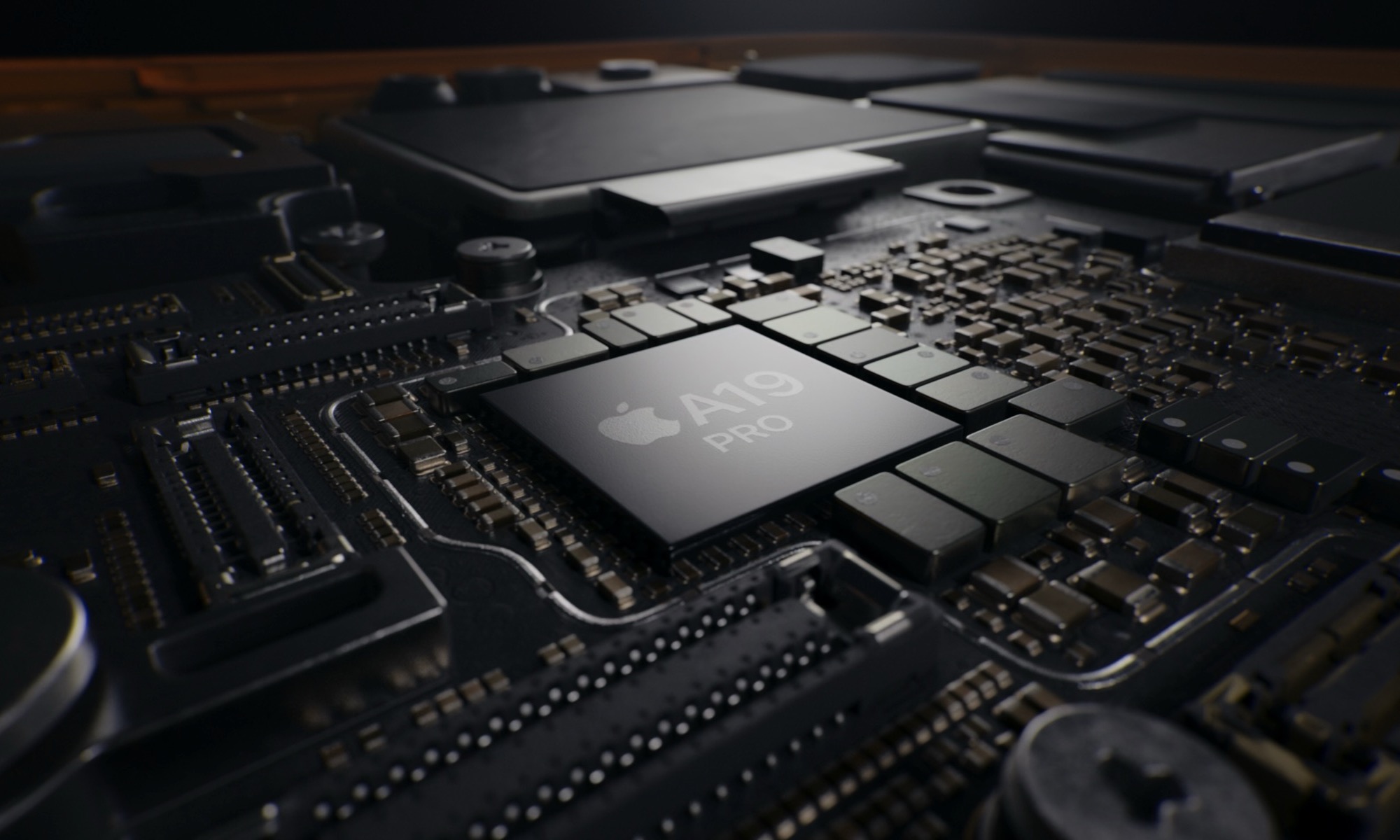
If Apple follows its usual playbook, this year’s iPad mini will likely get the A19 Pro — but it’s possible we might even see an A20 Pro.
The 2019 iPad mini featured the same A12 Bionic chip as the iPad Air of that era, even as the standard iPad (7th Generation) was still packing an A10 Fusion chip.
To put that in perspective, these models arrived only six months after the iPhone XS and iPhone XR, which used the same A12 chip, and the redesigned iPad Pro, which packed in a souped-up version dubbed the A12X.
The 2021 iPad mini followed even more closely, using the A15 Bionic chip that was unveiled in the iPhone 13 Pro at the very same September event. This was one of the few times an iPad and iPhone chip were in lockstep, although Apple had surprised us the year before with the A14-powered iPad Air, bringing its newest silicon to the iPad family before it came to the iPhone 12 Pro — although that was entirely due to the COVID pandemic-related delays of 2020.
The current iPad mini flipped that script back the other way. Released in 2024, it effectively came out alongside the iPhone 16 lineup, but packed in the A17 Pro chip of the iPhone 15 Pro models of 2023.
This means Apple could go either way, but we can also be fairly certain it won’t do something as mundane as only going to an A18 Pro for this year’s model. Not only would that leave it too far behind, but by all reports it’s having a hard enough time fabricating enough of those chips for its MacBook Neo. It probably has little desire to share that supply with an iPad.
An A20 Pro (or even an A20) would realign the iPad mini with Apple’s previous strategy of matching iPhone silicon, and would definitely qualify as a major leap.
The Wildcard: An M-Series Chip
Still, the rest of Apple’s higher-end iPads have long since moved on from A-series chips. The iPad Pro got the M1 chip in 2021, and the iPad Air followed suit in 2022. Today, those full-sized tablets boast the same silicon as contemporary Macs, and there’s no sign of that slowing down.
Only the entry-level iPad and the iPad mini still use A-series silicon, and there’s a small but significant gap here between the iPad (A16) and iPad mini (A17 Pro), as the former is just below the line for Apple Intelligence support.
Apple is expected to fix that with the next generation of the iPad, but the latest reports suggest that won’t arrive until next spring. Since it’s got nowhere to go but up, there’s a good chance we’ll see at least an A18 chip in that.
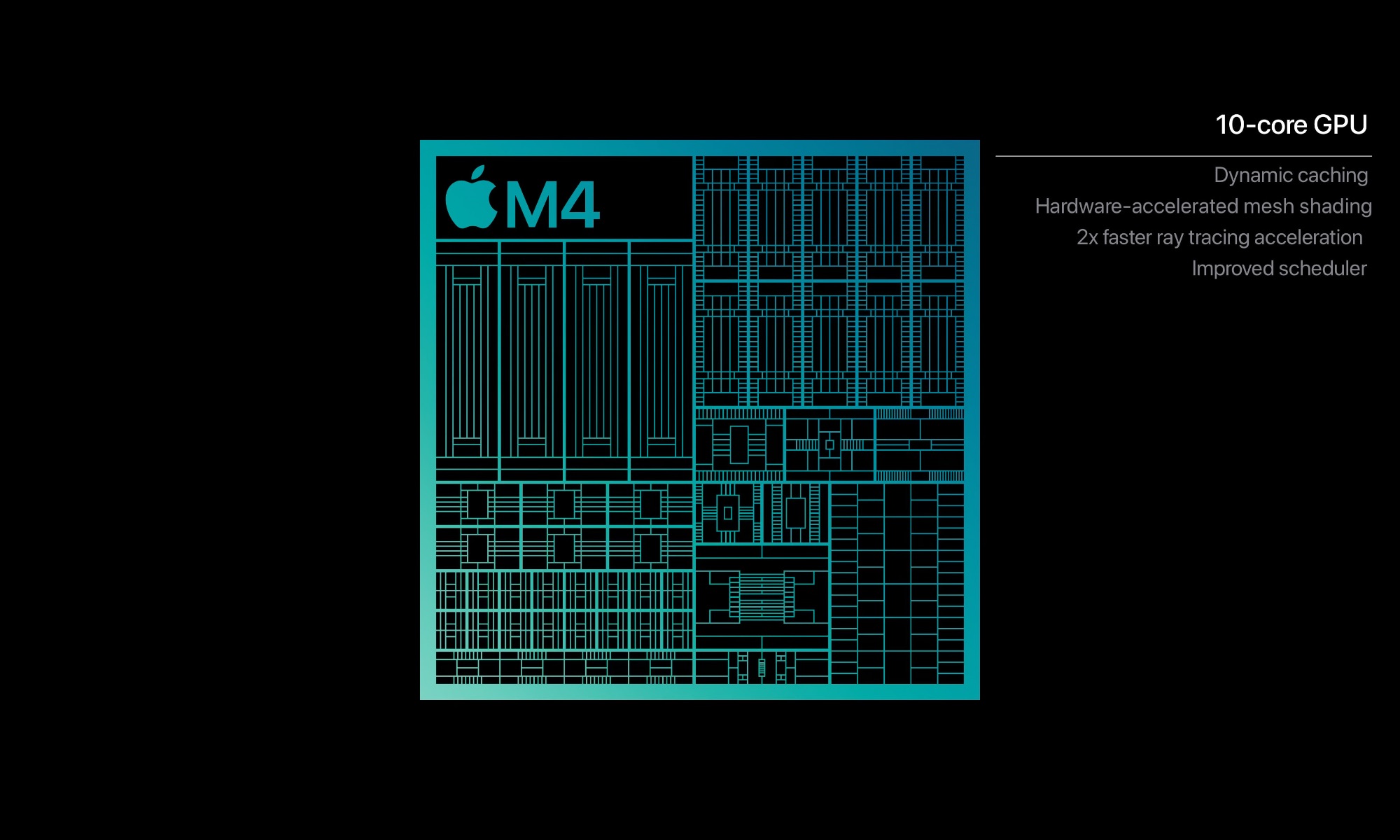
Meanwhile, it might be time for Apple to move the iPad mini — which has always been considered roughly on par with the iPad Air — to an equivalent M-series chip, such as an M3 or M4.
We wouldn’t bet on this, but we can’t rule it out, either. After all, at one point it seemed absurd that any iPad would get Apple’s more powerful Mac chips, but now those are considered the norm on the iPad Air and iPad Pro.
[The information provided in this article has NOT been confirmed by Apple and may be speculation. Provided details may not be factual. Take all rumors, tech or otherwise, with a grain of salt.]