
The Watch Is Won: Apple’s Blood Oxygen Fight Officially Ends
Toggle Dark Mode
The US International Trade Commission has fired the final shot in the long-running dispute over the blood oxygen monitoring feature in the Apple Watch, effectively closing the case without changing the status quo.
To recap, Apple has been under legal fire from Masimo, a California health tech firm, since at least 2020, when the smaller company accused it of stealing trade secrets to build its Apple Watch health features. While that original case ended without a resolution, Masimo managed to get some traction in a separate patent infringement case with the ITC, where it claimed the Apple Watch violated 17 of its patents for blood oxygen monitoring technology.

Apple managed to get all but two of those invalidated in September 2023, but still faced the ire of the ITC for the remaining two, which declared them infringing in October and ordered a ban on affected Apple Watch models . That ban came into effect on Christmas Day 2023, although Apple managed to get a brief reprieve while it appealed, during which it was allowed to continue selling the Apple Watch Series 9 and Ultra 2 (the Apple Watch SE remained unaffected as it doesn’t include blood oxygen monitoring).
Meanwhile, Apple began looking at ways to disable the blood oxygen sensor in software to allow it to continue selling the Apple Watch should the ban ultimately be enforced — which it was. On January 18, Apple began selling the Apple Watch Series 9 and Ultra 2 without the blood oxygen sensor, a policy which remained the norm until August 2025, when Apple figured out a way to return blood oxygen sensing without violating Masimo’s patents.
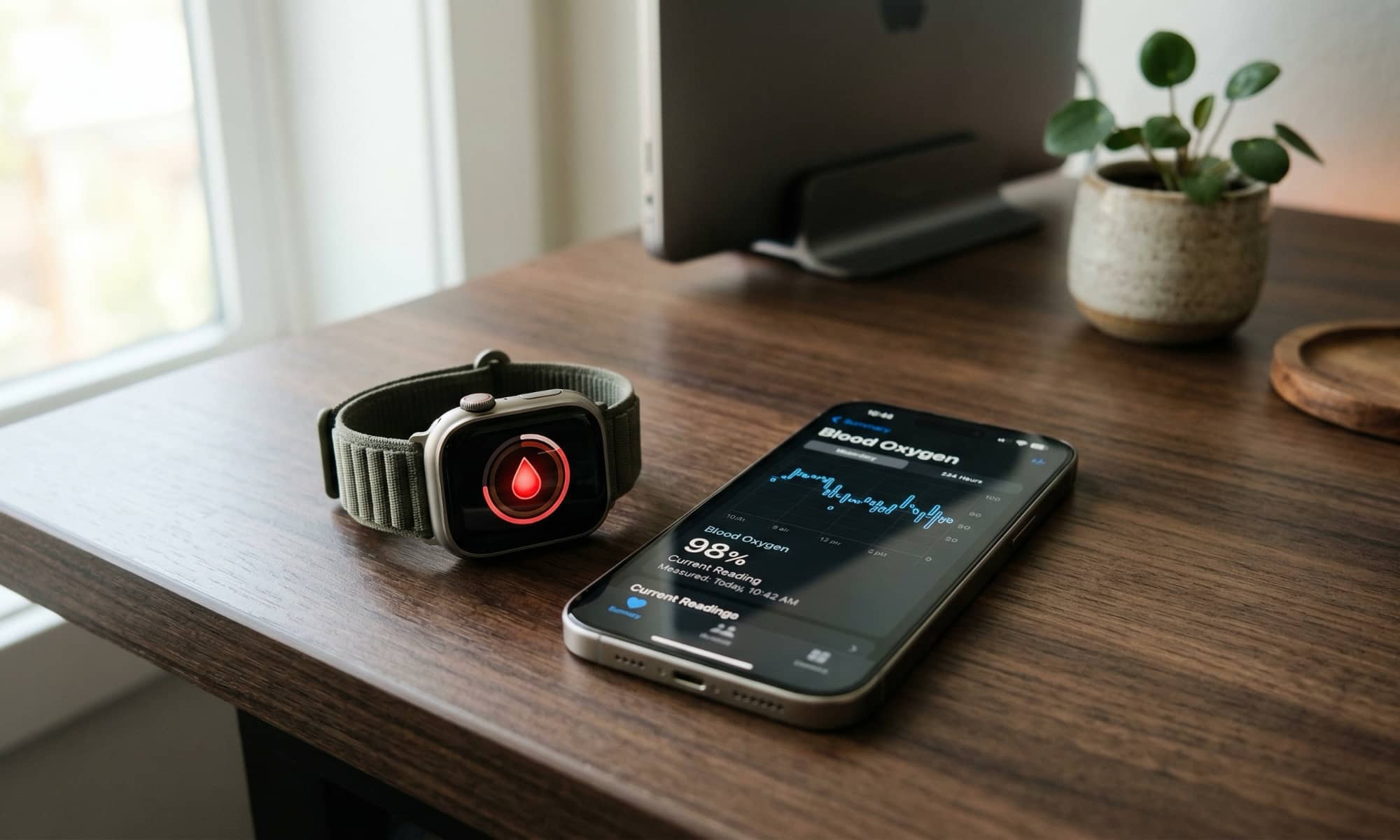
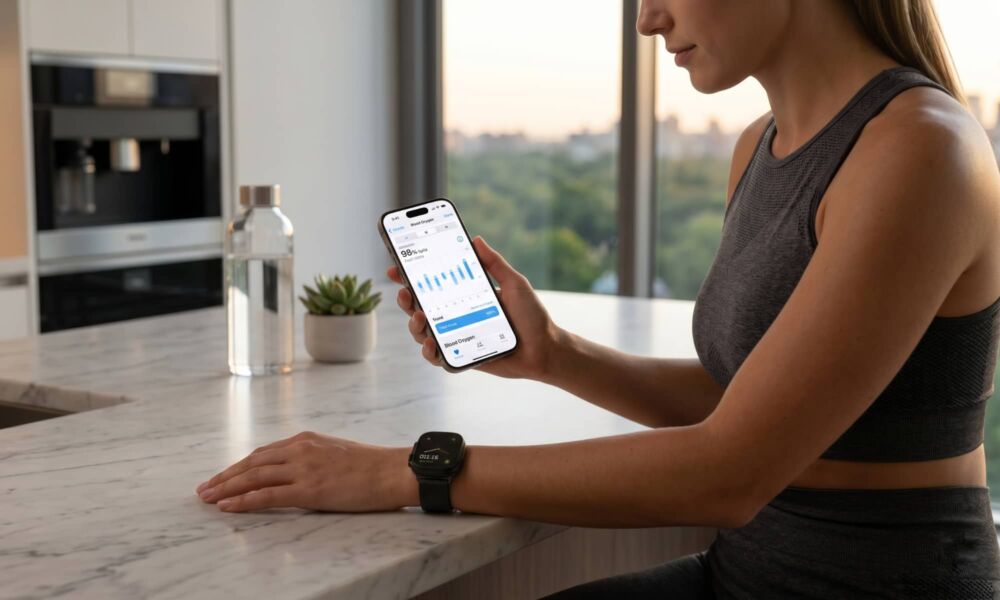
Apple’s workaround seemingly came down to the tricky semantics of patent language. Since Masimo’s patents describe a self-contained “user-worn” device that handles everything from measuring and monitoring to reporting blood oxygen levels, Apple figured it could bypass this by using the Apple Watch solely for the collection of raw data and shifting the calculations and reporting to the iPhone — and US Customs agreed.
While this means US Apple Watch models still work a bit differently from those sold in other countries, since blood oxygen data can’t be displayed on the wearable itself, the feature is just as effective as long as you’re willing to rely on the iPhone’s Health app. However, Masimo wasn’t impressed and sued US Customs for clearing the Apple Watch blood oxygen feature, which it insisted still violated its patents, and failing to notify Masimo that it was doing so.
US Customs pushed back on this, insisting that it’s merely responsible for enforcing import bans as written, so Masimo’s issue is with the ITC, which issued the original order. So, Masimo did exactly that, insisting that the ITC used language that was too restrictive in its original order, and that it should expand the ruling to cover Apple’s new solution, which it believes still infringes on its patents.

In a preliminary ruling in March, an ITC judge and Federal Circuit Court said that while the original 2023 ITC decision still stands with regard to the original Apple Watch blood oxygen sensing feature, the redesigned version explicitly does not, and can continue being imported and sold in the US.
Masimo naturally appealed that ruling, asking the ITC to review the decision. However, in a ruling dated April 17, 2026, the ITC has formally said that it will not review any further petitions from Masimo. The Commission’s decision effectively terminates the case and allows Apple Watch models with a redesigned blood oxygen sensor to remain on the market in the United States.
The Commission has determined not to review the EID [(enforcement initial determination)]. This combined proceeding is hereby terminated in its entirety with the conclusion that the accused redesigned products do not infringe the Asserted Patents, and therefore, they should not be excluded pursuant to the terms of the LEO [(limited exclusion order)].
US International Trade Commission
This ruling effectively closes the door to any further action by the ITC. That said, we may not have heard the last of this, as ITC decisions can still be appealed all the way up to the Supreme Court. However, while the Federal Circuit is required to hear the first stage of that appeal, it’s unlikely to overturn the ITC’s decision and rule in Masimo’s favor any more than it did for Apple’s attempts to overturn the original ban.
Even if Masimo does pursue this, the Federal Circuit is likely to be the final word as the Supreme Court rarely wastes its time with patent disputes of this nature. Plus, with Masimo’s patents set to expire in 2028, allowing Apple to reinstate its original sensing technique, the entire legal battle may simply be moot by the time an appeal winds through the courts.






