Apple Watch Stays on Shelves as Judge Clears Blood Oxygen Workaround
Toggle Dark Mode
The blood oxygen sensing technology currently being used in the Apple Watch in the United States does not infringe on any of the patents owned by Masimo, a US International Trade Commission judge said this week. This means Apple will be able to continue to import and sell Apple Watch models in the US that use its modified blood oxygen sensing feature.
Several years ago, Masimo sued Apple over the sensor technology used by the Apple Watch to measure a user’s blood oxygen level, bringing separate cases for trade secret theft and patent infringement. While the trade secret case fizzled out, and all but two of the 17 patent claims were invalidated, Apple was still found to be violating those remaining two patents, resulting in a ban on the import and sale into the US of all Apple Watch models that used the infringing technology. To bypass the ban, Apple had no choice but to disable the feature on Apple Watch models sold in the US.

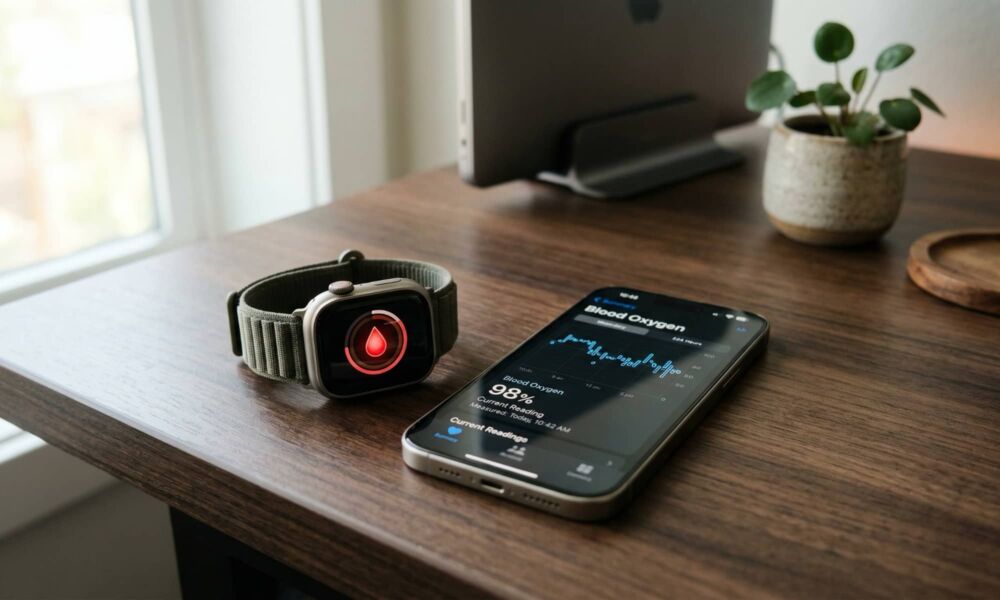
While Apple continued to appeal the original ruling, it came up with a workaround in August 2025 that allowed the company to return blood oxygen sensing to the Apple Watch in the US. The new method involves collecting data from the blood oxygen sensor on the Apple Watch, but instead of processing the data directly on the Watch, it’s sent to and processed on the user’s paired iPhone, and the results can then only be viewed on the iPhone.
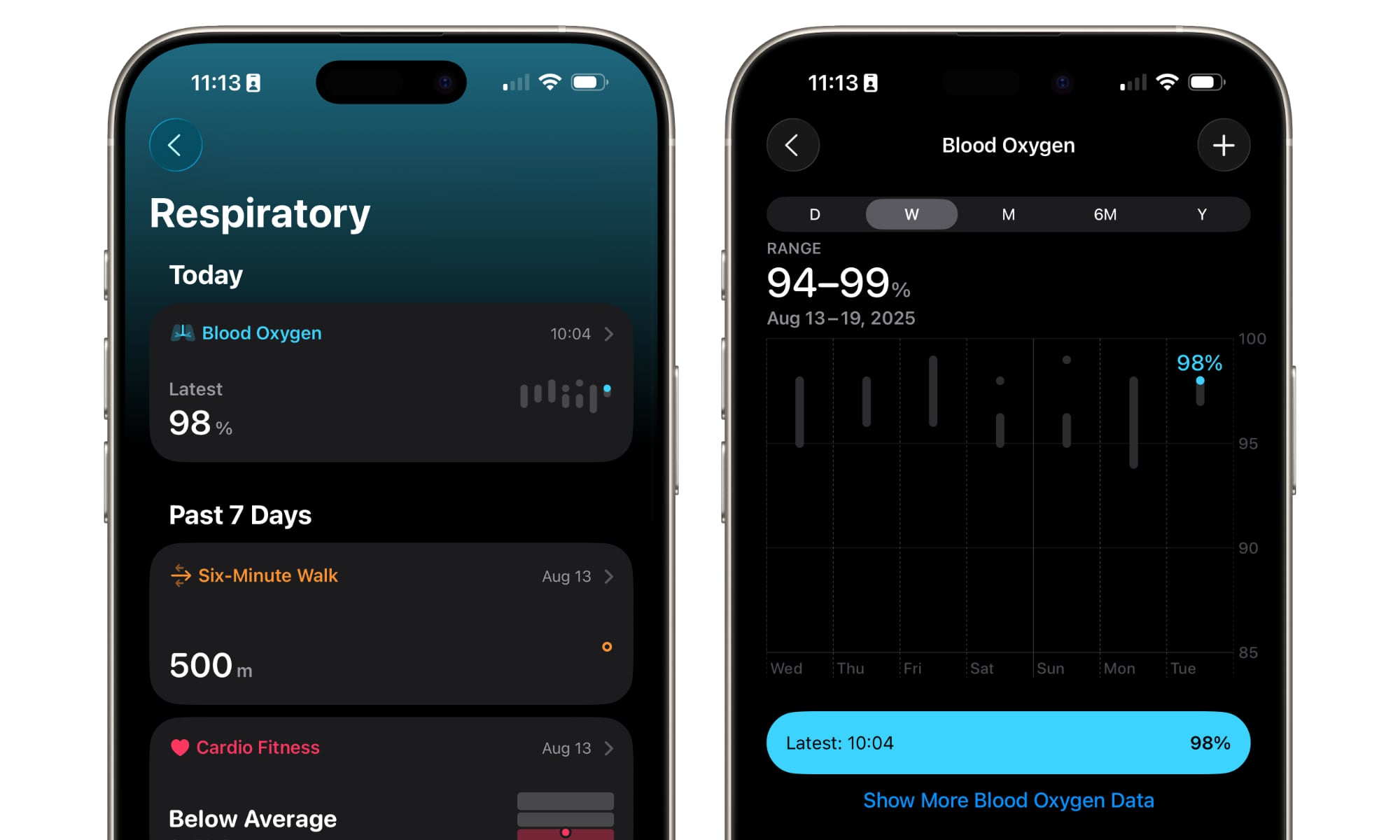
Those changes allowed Apple to argue that the updated method did not violate the ITC ban, nor did it infringe on Masimo’s patents. The change was cleared by US Customs and Border Protection (CBP), once again allowing the Apple Watch to be imported to and be sold in the United States.
As you might expect, Masimo did not agree with the CBP’s decision, and the company quickly filed a lawsuit against CBP. It accused the agency of acting unlawfully by exceeding its authority. Masimo also demanded the ITC look into whether Apple’s solution also violated the original import ban and that the ban should be implemented once again.
However, Thursday’s decision, as reported by Reuters, rejected the medical-monitoring company’s bid for a renewed import ban on Apple’s smartwatch lineup. It should be noted that the decision is preliminary, and the full commission will need to affirm the ruling.
Nevertheless, Masimo did score a win in a separate appeals ruling on Thursday, in which the US Court of Appeals for the Federal Circuit affirmed the 2023 ITC decision that resulted in the original Apple Watch import ban in the first place. The appeals court agreed that Apple’s initial design for its blood oxygen sensing technology infringed on Masimo’s patents, declining to overturn the ban, which came into effect on December 26, 2023, and, other than a brief respite while Apple unsuccessfully appealed, has remained in effect ever since.
Apple said in a statement that it was pleased with the ITC’s decision and will evaluate “all avenues for further review” of the Federal Circuit’s ruling. “For six years, Masimo has brought dozens of false claims against Apple, nearly all of which have been rejected,” Apple said.
A Masimo spokesperson declined to comment on the rulings.
In November 2025, Apple lost the patent infringement lawsuit that Masimo filed against it, as a federal jury awarded Masimo $634 million. Apple is currently appealing the ruling.
It should be noted that unlike many “patent trolls” which are companies set up solely for purchasing patents to file lawsuits, Masimo actually develops and sells devices that use its blood oxygen sensing technology, although Apple has accused Masimo of copying Apple’s designs in a countersuit regarding that company’s own W1 Freedom smartwatch.