Smooth Moves? The iPhone 19e Might Finally Ditch the 60 Hz Blues
Toggle Dark Mode
While this year’s iPhone 17e didn’t boast any display changes over its predecessor, that may be set to change in a couple of years, with a new supply chain report suggesting that Apple is planning to move its budget models up to 120 Hz LTPO panels.
We shouldn’t expect any major display changes in next year’s iPhone 18e, which some reports say is already locked in for next year; however, sources have told ZDNet Korea that Apple is considering using LTPO TFT displays for the budget iPhone 19e, which is expected to arrive in early 2028, assuming Apple sticks to its typical release schedule.

LTPO (Low-Temperature Polycrystalline Oxide) is the display technology that’s powered Apple’s iPhone “ProMotion” displays since they first arrived on the iPhone 13 Pro in 2021. That’s compared to LTPS (Low-Temperature Polycrystalline Silicon) used in the iPhone 17e and older models without the faster refresh rate and Always-On Display feature.
If this report is accurate, this higher-end display tech would be trickling down to Apple’s budget e-series iPhone models much more quickly than it did to the standard iPhones, which didn’t gain ProMotion until the most recent iPhone 17 release — four generations after it first arrived on the iPhone 13 Pro.
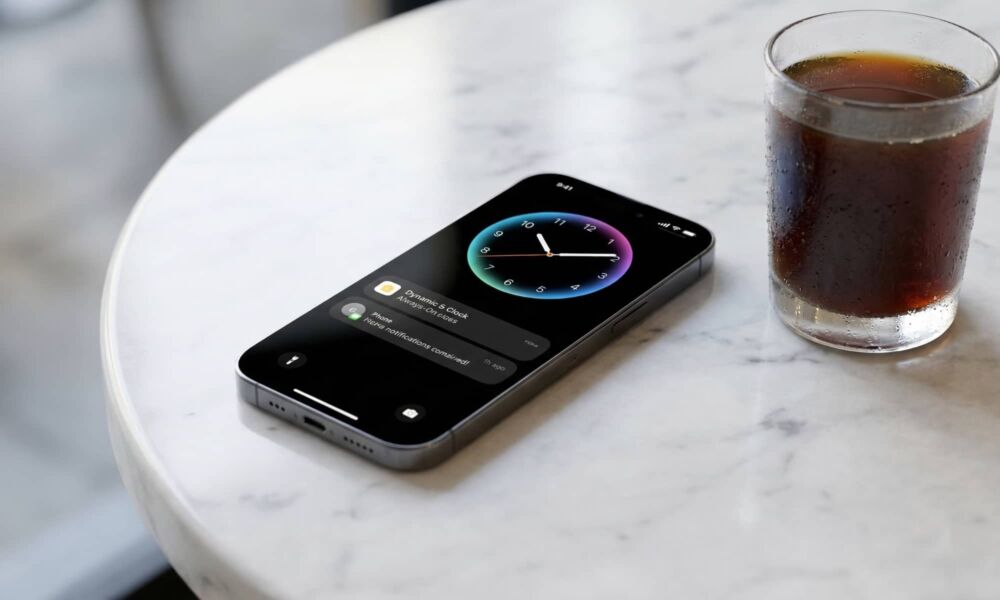
While LTPO technology allows for variable refresh rates, it doesn’t mean that every iPhone that uses them necessarily has to support the same ones. For example, when Apple brought the new displays to the iPhone 13 Pro, it offered a 120 Hz refresh rate on the top end, but it bottomed out at 10 Hz. That wasn’t slow enough to support an always-on display — at least not without taking a serious hit on battery life — which is why we didn’t see that feature until the iPhone 14 Pro arrived the following year, with a more advanced LTPO panel that could go all the way down to 1 Hz.
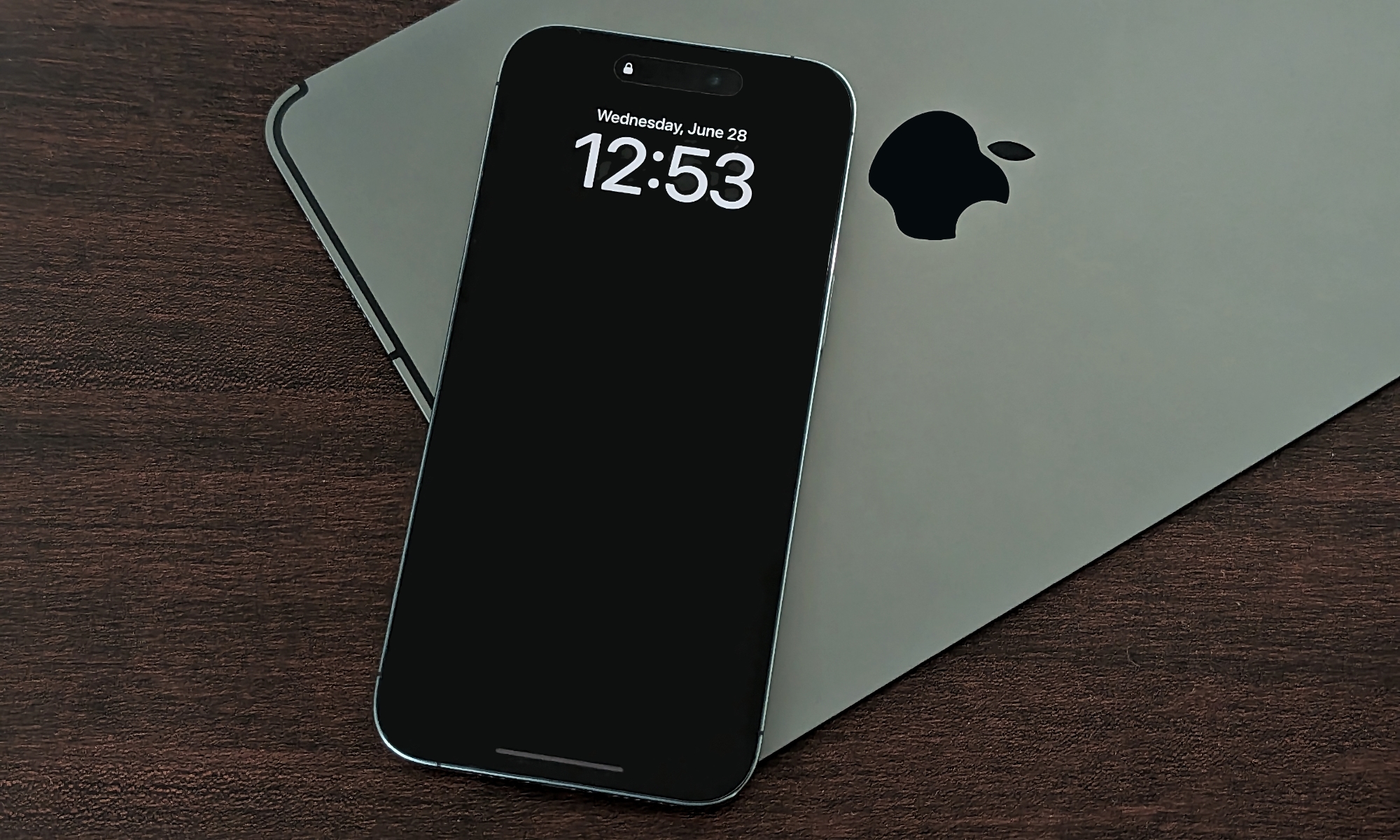
This means Apple could still reserve the Always-On Display feature for its more premium iPhone models, or even compromise with a 90 Hz refresh rate on the iPhone 19e — something that Google did for a while with many of its A-series Pixel phones.
However, that would make the iPhone 19e an odd duck — especially by the time it’s released in 2028. Even today, many budget Android smartphones now support 120 Hz displays. They may be limited in other areas, but high refresh rates have already become table stakes in the smartphone world; the standard iPhone models were often criticized for Apple’s insistence on sticking to 60 Hz displays, which made its decision to finally embrace 120 Hz on the iPhone 17 a welcome relief — and even more when it turned out to boast all the same capabilities as the iPhone 17 Pro.
This makes it all the more likely that if Apple does go LTPO for the iPhone 19e, it won’t hold anything back. It’s also likely that the iPhone 19 Pro will have already moved on to more advanced LTPO technology by then.
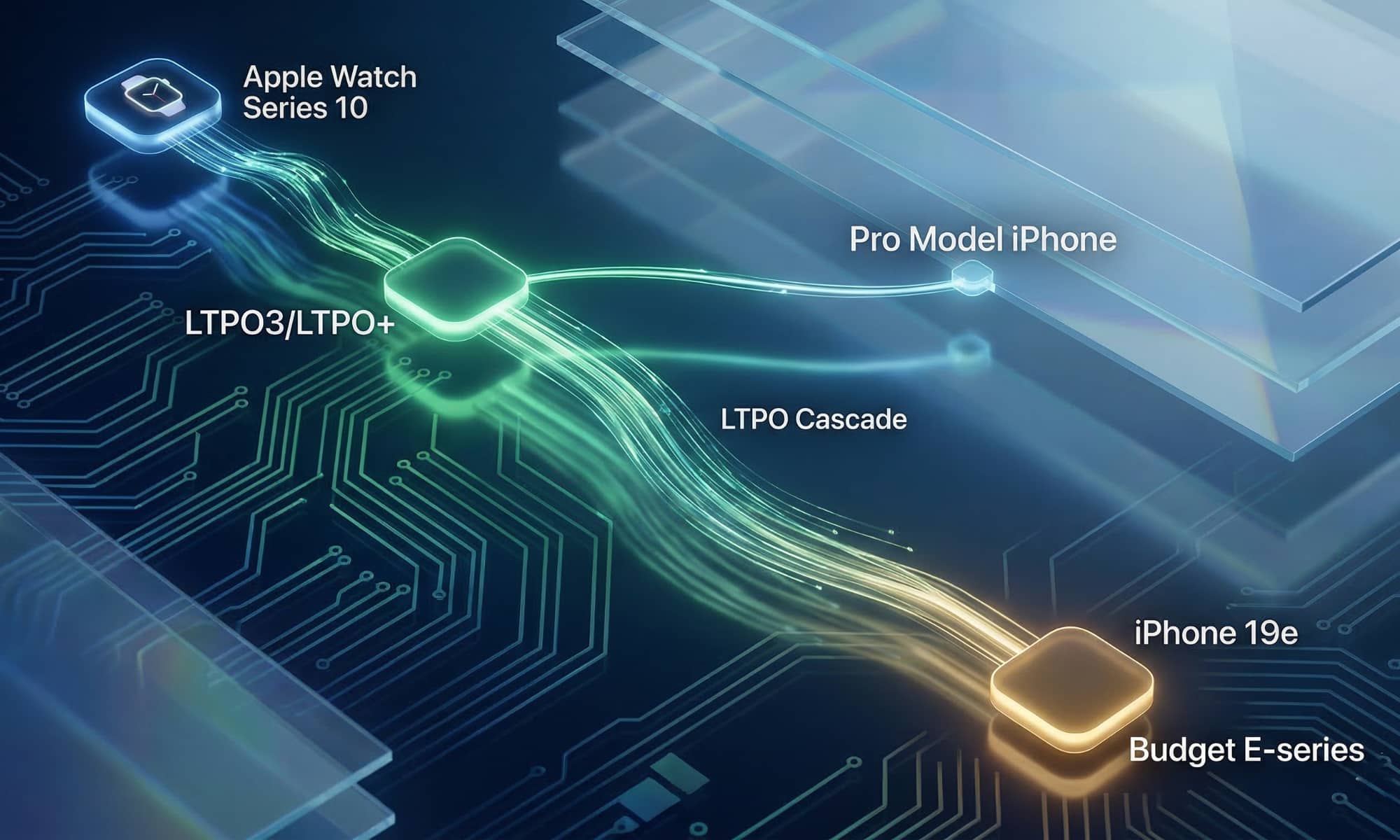
The same report indicates that Apple is planning to scale up next-generation LTPO+/LTPO3 technology for use in the higher-end iPhone models. Apple has already been using this in the Apple Watch since 2024 when it released the Series 10, and moving it to the iPhone 19 Pro models would not only differentiate them as premium products, but would also free up more standard LTPO panels to be used in other devices.
The move of LTPO3 to the iPhone has always felt inevitable, as nearly all of Apple’s display technology improvements have started with the Apple Watch, which used OLED panels from the start, and gained an Always-On Display in 2019 with the Series 5 — a full three years before that came to the iPhone 14 Pro and iPhone 14 Pro Max.