The Case of the Missing iPad

Toggle Dark Mode
With all the exciting product announcements this week, it’s easy to forget that there was one expected update that didn’t materialize: a new entry-level iPad.
Rumors of a 12th-generation iPad have been circulating for over a year, with the consensus being that Apple would make the jump from the A16 chip of last year’s 11th-generation model to an Apple Intelligence-capable A18 chip — possibly even an A19, although that always sounded like a bit of a stretch.

The “iPad 12” rumors were often uttered in the same breath as the iPhone 17e, suggesting that Apple was likely to launch those products very close together, if not the same day, and as recently as Sunday morning, Bloomberg’s Mark Gurman predicted in his Power On newsletter that we were “likely” to see “updated entry-level iPad and iPad Air models” alongside everything else that did launch this week.
However, when Monday came and went, we had the iPhone 17e, M4 iPad Air, and no iPad 12. That seemed odd, but we didn’t give up hope. After all, Apple still had two more days of product announcements, including a budget MacBook that was expected to be at least partly focused on the educational market. Since the base iPad model shares a similar target audience, perhaps it would be quietly released at the same time in a move of solidarity at the lower end of the Apple pricing spectrum.
Of course, that was always a long shot, and it was proven to be a faint hope when the MacBook Neo showed up as the sole Wednesday announcement — a new product category that wasn’t about to share the stage with the fledgling iPad.
What Now?

Now that we’re at the bottom end of a Thursday, it’s a safe bet that Apple won’t be unveiling the 12th-generation iPad anytime soon, making the biggest surprise of the week not what we saw, but what we didn’t. While the iPad 12 was widely considered a lock-in, it was the “wildcard” Apple Studio Display that actually showed up, leaving the early 2025 11th-generation iPad as the outlier in Apple’s lineup.
To be fair, it’s not the oldest iPad on the market — the late 2024 iPad mini still wears that crown — but it is the least capable, and in a pretty significant way: it’s the only mainstream Apple device released since 2024 that doesn’t support Apple Intelligence.
Ever since its 2019 resurrection, the iPad mini has been considered a mid-tier product — effectively a little brother to the iPad Air. The era of Apple silicon has allowed the larger tablet to pull ahead with M-series chips, but Apple brought the 2024 iPad mini pretty close by putting an A17 Pro chip inside. That’s essentially the same chip that powered the iPhone 15 Pro the year before, minus a GPU core.
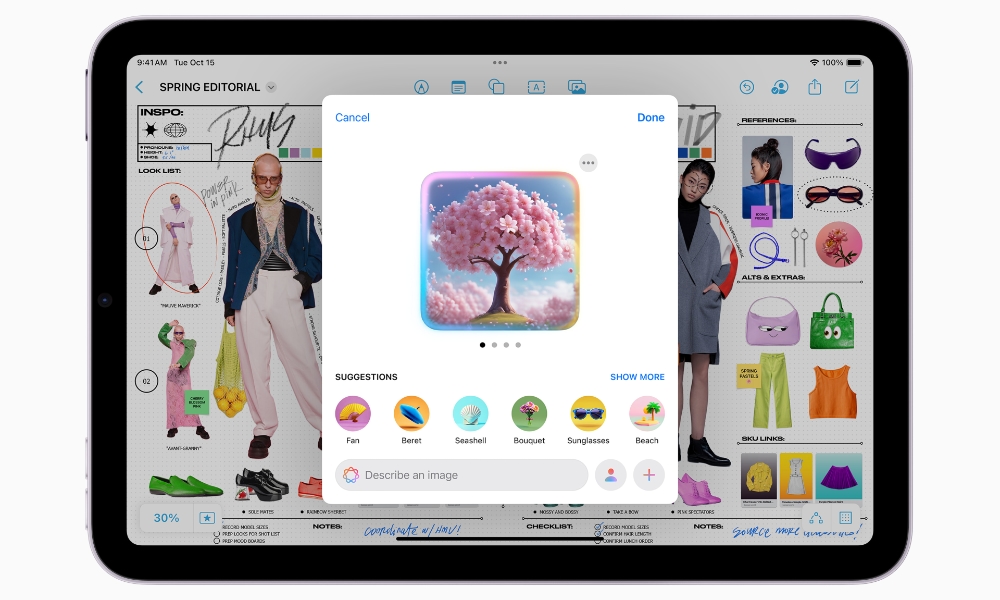
It’s also the bare minimum to support Apple Intelligence among A-series chips, but in some ways it was also ahead of the M2 found in the iPad Air of that era, with a Neural Engine capable of 35 trillion operations per second (TOPS), versus the 15.8 TOPS of the M2. Of course, the M2 won out in plenty of other areas, but the bottom line is that Apple’s A-series chips are no slouches, as evidenced by the fact that the new MacBook Neo is powered by the A17 Pro’s successor, the A18 Pro.
In an era when Apple’s marketing department couldn’t stop talking about how great Apple Intelligence was, it was almost inconceivable that the company would ever release another mainstream device without it. That made the arrival of the A16-powered iPad a year ago surprising, to say the least.
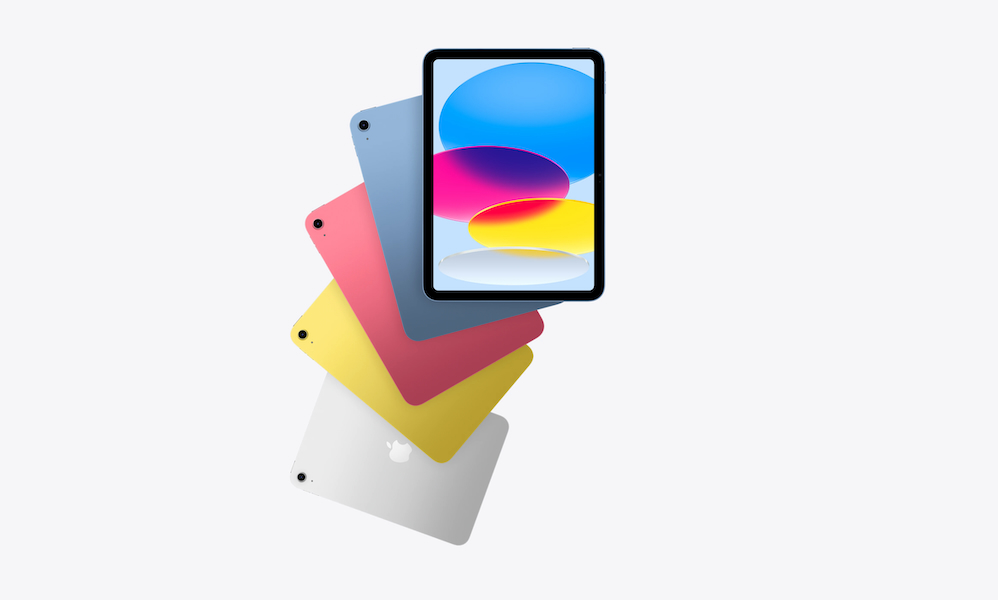
The only plausible explanation for the lack of AI features on the new iPad — apart from an essential compromise for a $349 tablet — was that the entry-level tablet simply wasn’t aimed at an audience that cared much about such things. If that was indeed Apple’s logic, it wasn’t entirely wrong. The standard iPad has wide appeal to both parents and educators, many of whom might consider the lack of Apple Intelligence to actually be a selling point for the device.
Still, that’s something we really expected Apple to rectify this year, and with the 11th-generation iPad packing in an A16 chip and there being no such thing as an A17, the only place left for it to go would be to the A17 Pro or A18, both of which come with Apple Intelligence support by default.
Keeping the Lines Clear

While there’s little doubt that Apple has a new iPad in the works, and may even have the tablet ready, upon reflection it’s not hard to see how it might have chosen to hold it back to avoid blurring the lines in its product families.
After all, an A17 Pro- or A18-powered iPad would sit in a very strange place. The iPad mini still packs in an A17 Pro, and while it’s due for an update, nobody expects the to be ready before this fall, by which time it could also switch to an OLED screen.
More significantly, Apple just released a groundbreaking new budget MacBook powered by an A18 Pro chip. Releasing a new $349 iPad at the same time would steal some of its thunder no matter what chip Apple put into it, but an A18 chip would muddy the waters for sure.
Then there’s the possibility that Apple still wants to put a price on its AI features. The MacBook Neo, iPhone 17e, and M4 iPad Air are all the most affordable Apple Intelligence devices, and it doesn’t feel like a coincidence that they all share the same $599 price tag.
[The information provided in this article has NOT been confirmed by Apple and may be speculation. Provided details may not be factual. Take all rumors, tech or otherwise, with a grain of salt.]