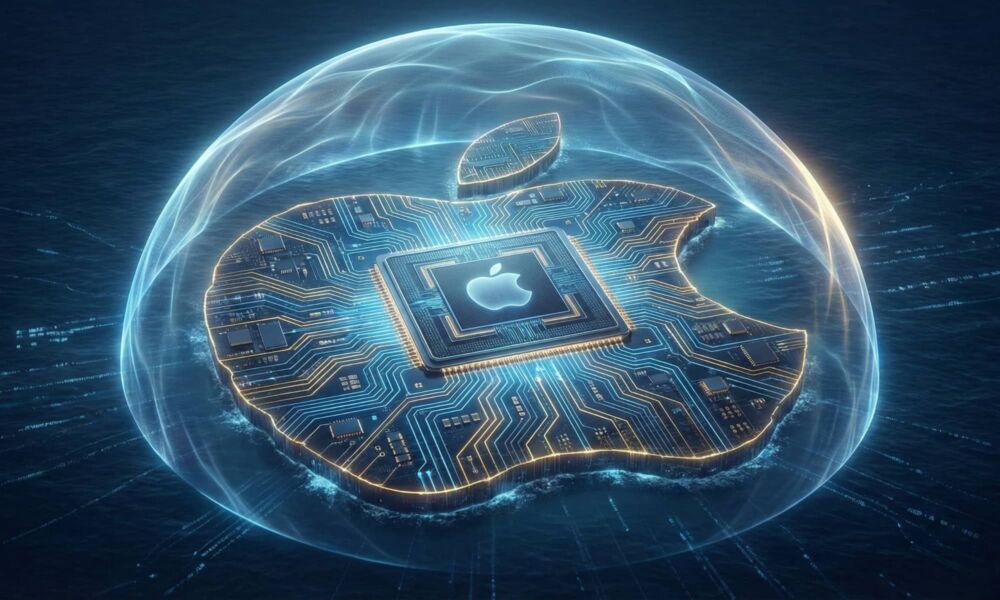
The Silicon Shield: Why the Future of Your iPhone Depends on Peace in Taiwan
Toggle Dark Mode
China strongly opposes Taiwanese independence. We’ve been hearing about China’s desire for a “peaceful unification” for years, and recent live-fire exercises conducted by China in waters off of Taiwan suggest military action could come sooner than later.
From China’s perspective, Taiwan and mainland China are two parts of a single country; Beijing considers Taiwan as a province of the People’s Republic of China (PRC), despite the island’s status as a vibrant multi-party democracy. By contrast, China, led by the Chinese Communist Party (CCP) with no opposition, describes itself as a “people’s democratic dictatorship.” However, there’s more to this in the modern era than just the usual nationalism, geopolitical strategy, and the CCP’s political legitimacy — there’s also Taiwan’s growing technical dominance.

Military action by China in Taiwan could spell catastrophe for Apple and other major tech companies, along with economies around the globe. According to Trade.gov, Taiwan was responsible for 90% of leading-edge chip manufacturing in 2024, representing about 20% of the country’s entire GDP. Much of this is thanks to Taiwan Semiconductor Manufacturing Company (TSMC), the leading player in the market.
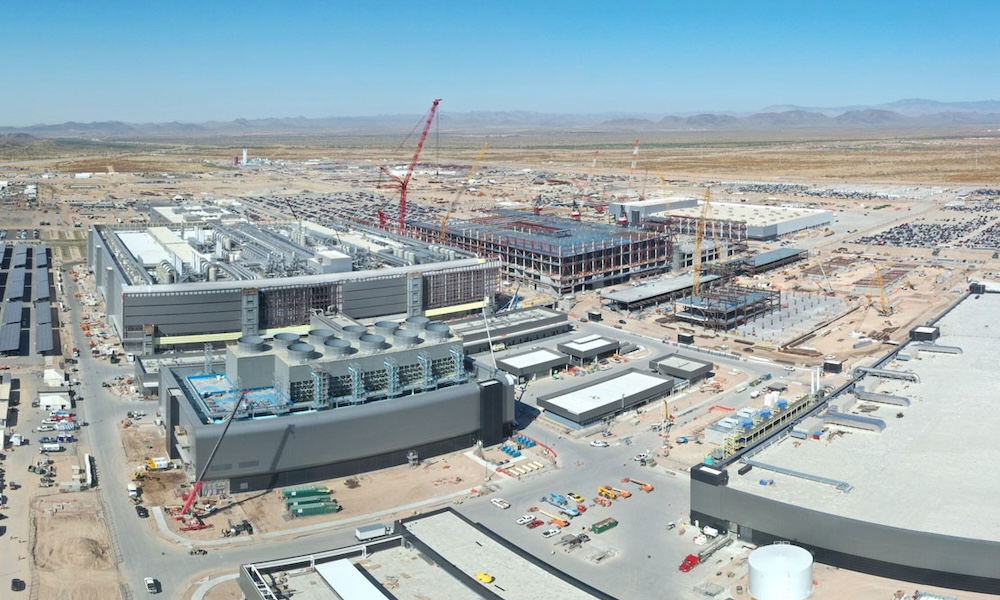
Apple designs its chips in-house but relies on TSMC for the actual manufacturing and fabrication. While TSMC has made a $40 billion investment in US manufacturing facilities, that’s a drop in the bucket compared to what it’s still doing in Taiwan.
Today, TSMC’s Arizona facilities manufacture S9/S10 chips for the Apple Watch (and possibly the next HomePod mini) and the A16 chips that are now used solely in the 11th-generation iPad (the iPhone 14 Pro and iPhone 15 models used the more powerful A16 Bionic that was likely never brought over to the US production line).
When these facilities reach full capacity, potentially in the next two years, TSMC estimates they’ll output only about 30% of Apple’s more advanced A and M series chips powering the latest iPhones and Macs.
At the recent World Economic Forum last month in Davos, Switzerland, Treasury Secretary Scott Bessent commented on the potential consequences of China making a move on Taiwan. At the conference, Bessent said, “If that island were blockaded, that capacity were destroyed, it would be an economic collapse.”
The recent AI boom has created even more worry. The AI race reaches across the entire US economy, including the stock market. Most of the AI chips are made in Taiwan, including those used by the world’s leading AI computing company, Nvidia.
The US has supported Taiwan for decades. However, it’s possible the US will be forced to reconsider its position if the situation reaches a boiling point. According to The New York Times, a 2022 confidential report by the Semiconductor Industry Association commissioned by the Biden Administration found that a major decline in the supply of chips from Taiwan would reduce US economic output by 11 percent, which is twice as much as the 2008 recession. There is one grim saving grace in the report, however: if TSMC’s factories were to go offline, China’s own economy would likely suffer a blow just as catastrophic as the rest of the world’s.
While the Trump administration has been somewhat successful in laying the foundation for more US chip production, the manufacturers need commitments from buyers to continuing building even more additional factories. This will likely take a unified industry effort between competitors like Apple, Google, Nvidia, and others.
Taiwan produces about 60% of all chips and 90% of the most advanced ones. These chips aren’t just in your Apple devices, they’re everywhere. Chips — also known as semiconductors, microchips, or integrated circuits — are in everything from data centers to cars, appliances, LED lighting, satellite systems, healthcare technology, ATMs, and gaming consoles. If Taiwanese chip production were to suddenly stop, world economies would be impacted to the tune of tens of trillions of dollars. This issue isn’t Apple’s — it’s everyone’s. Let’s hope peace prevails.