Will Production Delays Push Back the iPhone 18 and 18e?
 Concept image of an idle smartphone assembly line [iDrop News / AI]
Toggle Dark Mode
A new rumor out of Apple’s supply chain is casting a bit of doubt on when Apple’s next more affordable iPhone models — the iPhone 18 and iPhone 18e — will actually be arriving.
While the first e-series model, the iPhone 16e, was unveiled on February 19, 2025, and its successor, the iPhone 17e, followed slightly later on March 2, 2026, reports of manufacturing delays could push the iPhone 18e beyond those dates — and take the iPhone 18 along for the ride.

To be fair, we’re already in new territory, as this is the first time since 2010 that Apple has launched a mainstream iPhone model in any season other than the fall. However, after watching the iPhone 18 Pro, iPhone 18 Pro Max, and the new iPhone Duo arrive in September on their own, it became apparent that last year’s rumors of Apple moving to a split release cycle that would make the fall exclusive to its flagship models were, in fact, accurate.
Since then, few have weighed in on precisely when the iPhone 18 would land beyond “spring 2027” — the company’s trend of early March releases notwithstanding. Bloomberg’s Mark Gurman narrowed that window to February or March only a few days ago — at least for Apple’s most budget-friendly products (the “iPhone Air 2,” Gurman says, could come a bit later) — making early March seem like a pretty safe bet.
However, a recent Weibo post by Fixed Focus Digital claims that mass production for the iPhone 18 and iPhone 18e has yet to start, despite original plans for the lines to start spinning up in late October. At this point, the leaker says, production isn’t slated to begin until early January.

To put this in context, Apple typically begins mass production in earnest by late June of each year to ensure it has enough inventory for its September iPhone launches. That’s about a three-month lead time. While this is also dependent on how much inventory Apple wants to accumulate before opening the floodgates, standard iPhone models are usually very popular due to their mainstream consumer appeal and more affordable price.
Still, there could be another factor working in Apple’s favor here. Apple has laid some of the groundwork already with the iPhone 18 Pro models. Plus, as Fixed Focus Digital suggested earlier this month, the iPhone 18 and iPhone 18e could end up sharing many of the same components, including the battery, the 6.3-inch chassis, and likely even the same logic board, since both models will be powered by an A20 chip. This suggests the same performance and the same RAM, which could range from 9 GB to 12 GB, depending on which reports are accurate.
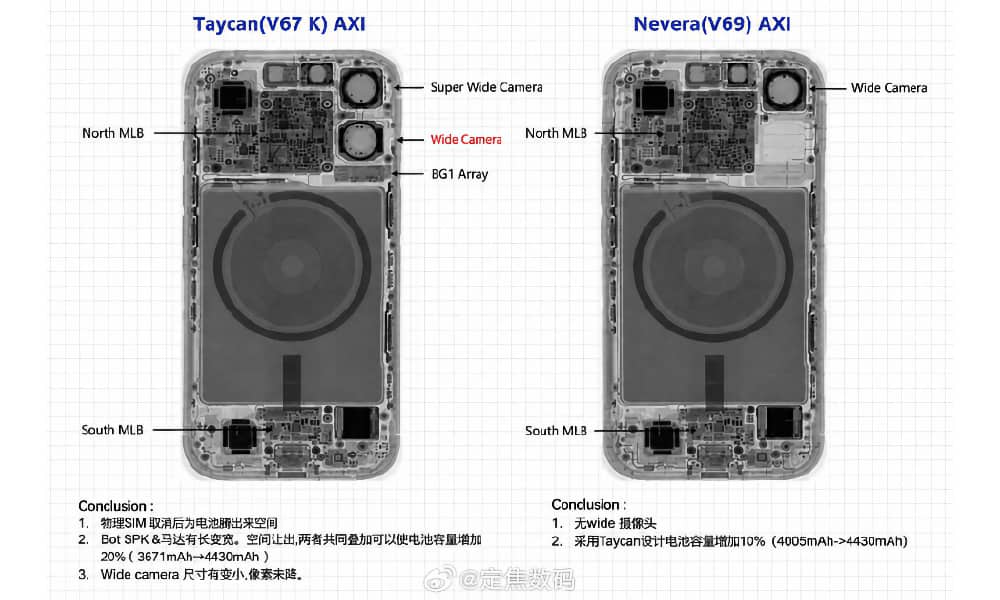
The main differentiating factor will almost certainly be the camera system, with the iPhone 18e sticking with a single lens. The jury is still out on the display, with mixed reports on whether the iPhone 18e will share the 120 Hz ProMotion display of its standard sibling or stick to the same 60 Hz LTPS panel as its e-series predecessor.
The report makes no mention of where the iPhone 18 and iPhone 18e are in the manufacturing cycle, or the reason for the purported delays. Apple typically goes through engineering and design validation testing (EVT and DVT) stages in preparing for mass production, both of which are usually signed off on three to four months prior to an iPhone launch.
If DVT has already been completed to the satisfaction of Apple and its manufacturing partners, moving into production validation testing (PVT) in early December could smooth the path for a fast ramp-up and still align with an early March launch. However, a January start is going to leave Apple’s suppliers scrambling, and could in turn result in either a delayed launch, longer preorder period, or limited stock when the new models finally do launch.
[The information provided in this article has NOT been confirmed by Apple and may be speculation. Provided details may not be factual. Take all rumors, tech or otherwise, with a grain of salt.]