Are the AirPods Max 2 Just a ‘Maintenance Update’ in Disguise?
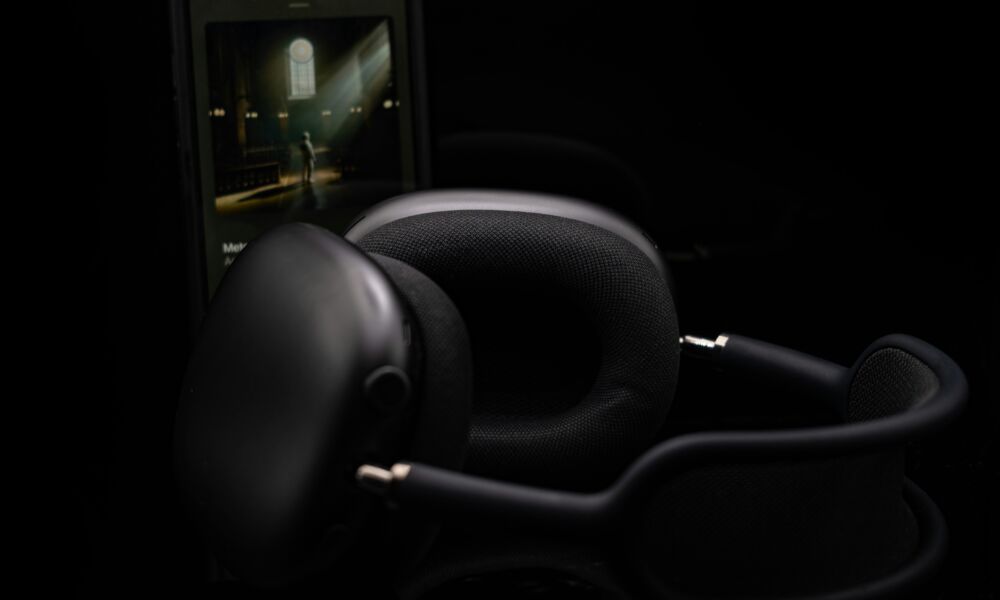 Maximilian Waidhas
Toggle Dark Mode
Apple dropped a big surprise last week when it unveiled the AirPods Max 2 in a refresh to a product that many feared the company had all but abandoned. However, while the update seemingly came out of nowhere, Apple’s reasons for it may have been more pragmatic than anything else.
To recap, the AirPods Max 2 are a true second-generation version of the original AirPods Max that were released in December 2020. While the first pair of Apple-branded over-ear headphones were great, they were also pricey, and that became more apparent as they stagnated, going years with no updates. To make matters worse, when Apple added new features like Adaptive Audio and Conversation Mode to its AirPods Pro, the AirPods Max were conspicuously left out of the party.

That was thanks to the older H1 chips inside. Apple had unveiled a newer H2 chip in the second-generation AirPods Pro in 2022, and later brought that chip to the AirPods 4 and even the Powerbeats Pro 2, all of which served to make Apple’s much more expensive AirPods Max feel even more like the weird cousin in the family.
To add insult to injury, Apple updated the AirPods Max alongside the AirPods 4 in 2024; yet, while the affordable in-ear buds gained significant software improvements, the premium over-ears received only a USB-C port and a fresh coat of paint. The fact that Apple didn’t add a generational designation, calling them only the “AirPods Max (USB-C)” to distinguish them from their Lightning predecessors, told us everything we need to know.
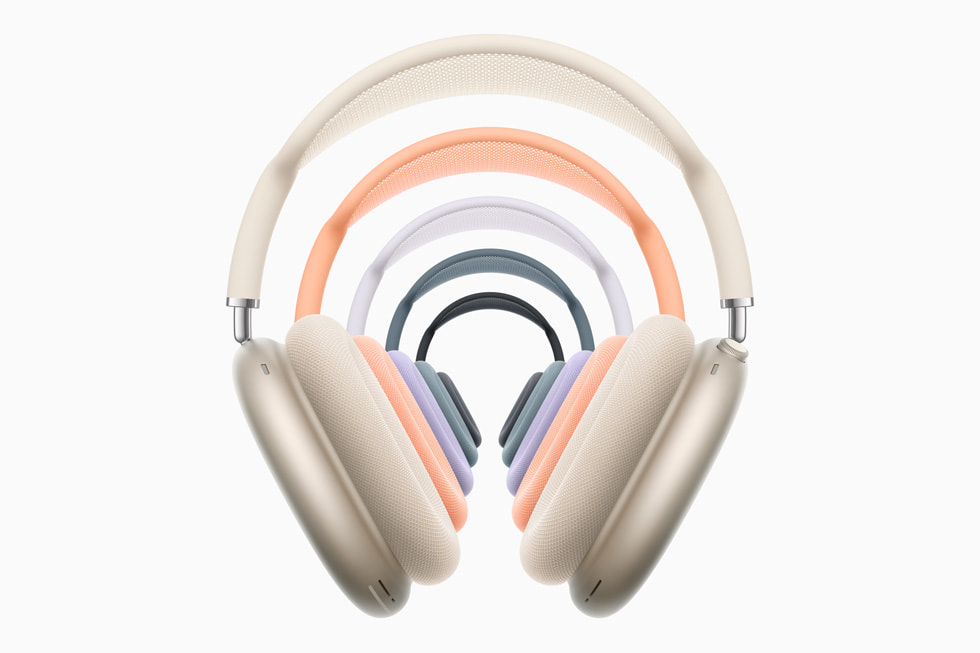
Thankfully, the AirPods Max 2 have finally gotten with the times by embracing the H2 chip. Sure, every other set of AirPods have had this chip for well over a year, but we’ll simply chalk this one up into the “better late than never” column.
Still, the timing of this sudden appearance feels a bit odd, and Bloomberg’s Mark Gurman has an interesting and plausible theory as to why Apple bothered to release the AirPods Max 2 at all. Writing in this week’s Power On newsletter, he says it comes down to Apple being tired of cranking out H1 chips that are used by only one product.
At its core, the refresh amounts to swapping the H1 chip for the H2. The update has a lot more to do with efficiency than innovation. The company has already moved on from H1 across the rest of its lineup, and maintaining it just for the Max would be costly and unnecessary. Standardizing on H2 — already used in newer AirPods — simplifies production.
Mark Gurman
As Gurman points out, the H2 chip is really the only noteworthy change in the AirPods Max 2, but it’s also a pretty significant one. Apple also touts a new high dynamic range amplifier to bolster audio fidelity, though Gurman dismisses the claim as a largely “vague promise.”
Still, while features like Adaptive Audio may seem like old news by now, this will be the first time users of full over-ear headphones will be able to enjoy them. They also gain better Active Noise Cancellation (ANC), Voice Isolation, and Live Translation.
Some may argue, as Gurman does, that not all of those features are relevant on a full set of earphones, but they’re still marked improvements. The only real issue is that they’re long overdue. Gurman believes dubbing them the AirPods Max 2 “sets expectations that the product simply doesn’t meet,” and he may be right. While the H2 chip was the most significant improvement in the AirPods Pro 2, it was new and shiny in 2022; today, these features have become “table stakes” in the AirPods family for so long it feels like the AirPods Max are merely playing catch-up.
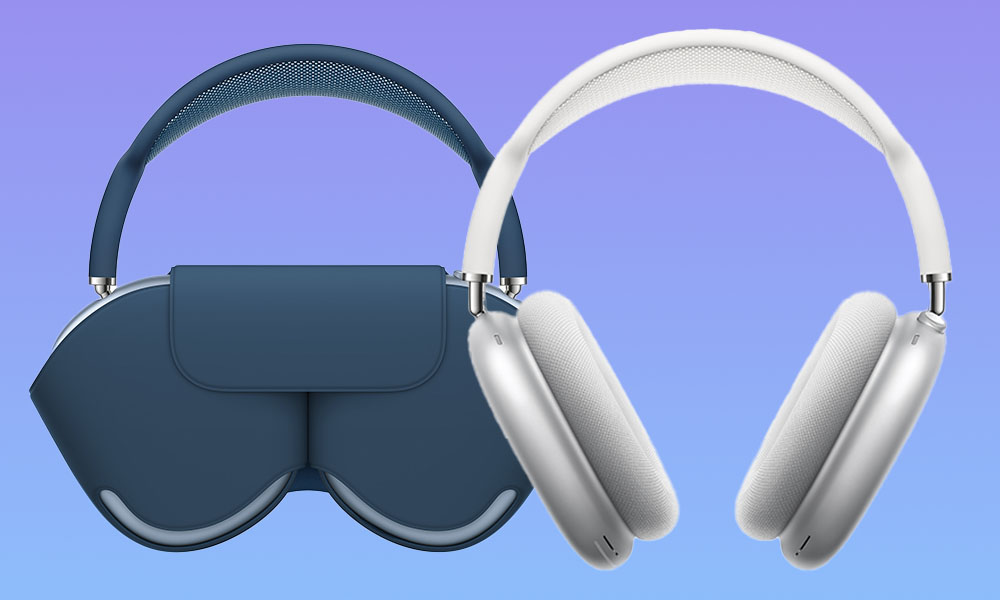
There’s certainly more that Apple could have done to sweeten the pot for customers considering the new headphones. Reducing the weight or even adding new colors — as it did for the USB-C version of the originals in 2024 — would have at least made them feel like a “new” product. Gurman and others have also pointed out how Apple hasn’t even made any changed to the Smart Case, which many have always found one of the odder things about the AirPods Max (I personally don’t hate it, but I also think Apple could do better).
Gurman makes his point by noting that the internal code name for the AirPods Max 2 didn’t even change from the previous models, demonstrating how minor Apple considered the upgrade. Nevertheless, he’s being a bit harsh here to make the broader point that Apple’s marketing strategies are driving things more than ever, while also pointing to the 2019 second-generation AirPods as an example of a much more significant update where Apple didn’t use “AirPods 2.”
However, that may simply demonstrate how Apple’s naming can often be all over the place. Regardless of what Apple called them, those earbuds were widely called the “AirPods 2,” and Apple moved on from those to the “AirPods 3.” Further, the 2019 AirPods were the “second-generation” AirPods, and this month’s AirPods Max are the “second-generation” AirPods Max — a designation that was not given to the 2024 USB-C version.
Will folks buy or upgrade to the AirPods Max 2 simply because of the number 2? Maybe some will, but we’re also talking about a $549 set of headphones, which aren’t the sort of things most folks impulse buy unless money really is no object. I suspect that the real target audience for the AirPods Max will buy the new model regardless of what number Apple puts on them, and will do so based more on specs and reviews than anything else. The AirPods Max have never been a hot seller — analysts have often said that they sell well enough to be worth keeping around, but not so well that they’re worth regularly updating — and slapping a number onto them isn’t likely to make much of a difference.