Better Late Than Never: YouTube Finally Lands on Vision Pro
Toggle Dark Mode
It’s been just over two years since Google made a surprising about-face and announced that it would, in fact, release a YouTube app for the Vision Pro. While many had given up hope, it seems it wasn’t an empty promise — it just took more time than anyone expected.
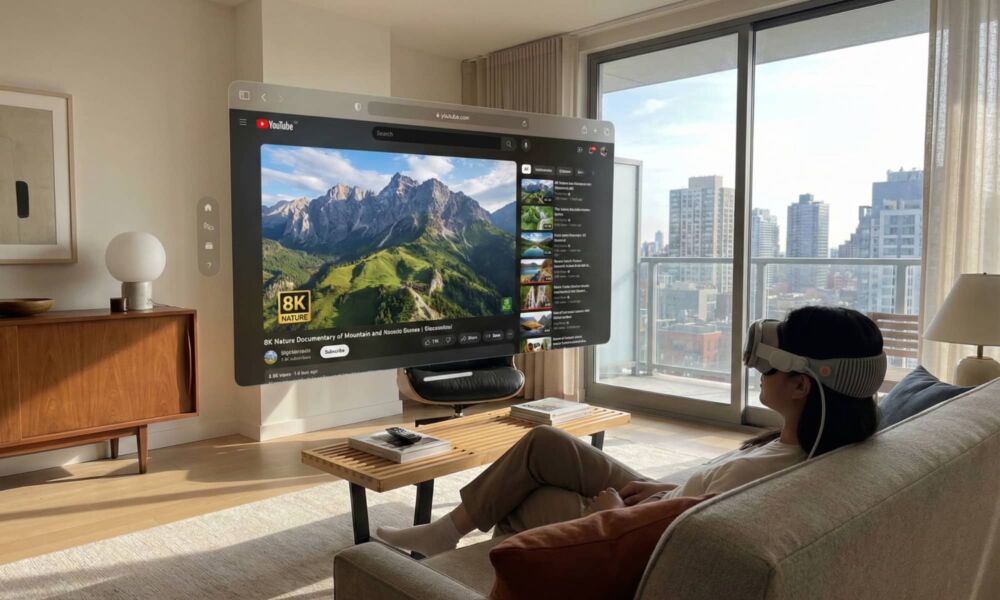
This week, an official YouTube app landed on the visionOS App Store, and while it doesn’t offer any groundbreaking new features, it will at least empower owners of Apple’s headset to enjoy YouTube videos in both standard and spatial formats, including 3D 360, and VR180.
Owners of the new M5 Vision Pro will even be able to enjoy 8K videos. That’s something the older model won’t offer due to its older and less powerful M2 chip, which doesn’t have the dedicated AV1 hardware decoder needed to pull this off. Further, while the new M5 model retains the original design and hardware, the more powerful chip enables it to render 10 percent more pixels on the same micro-OLED displays as its predecessor, and boosts the maximum refresh rate to 120 Hz.
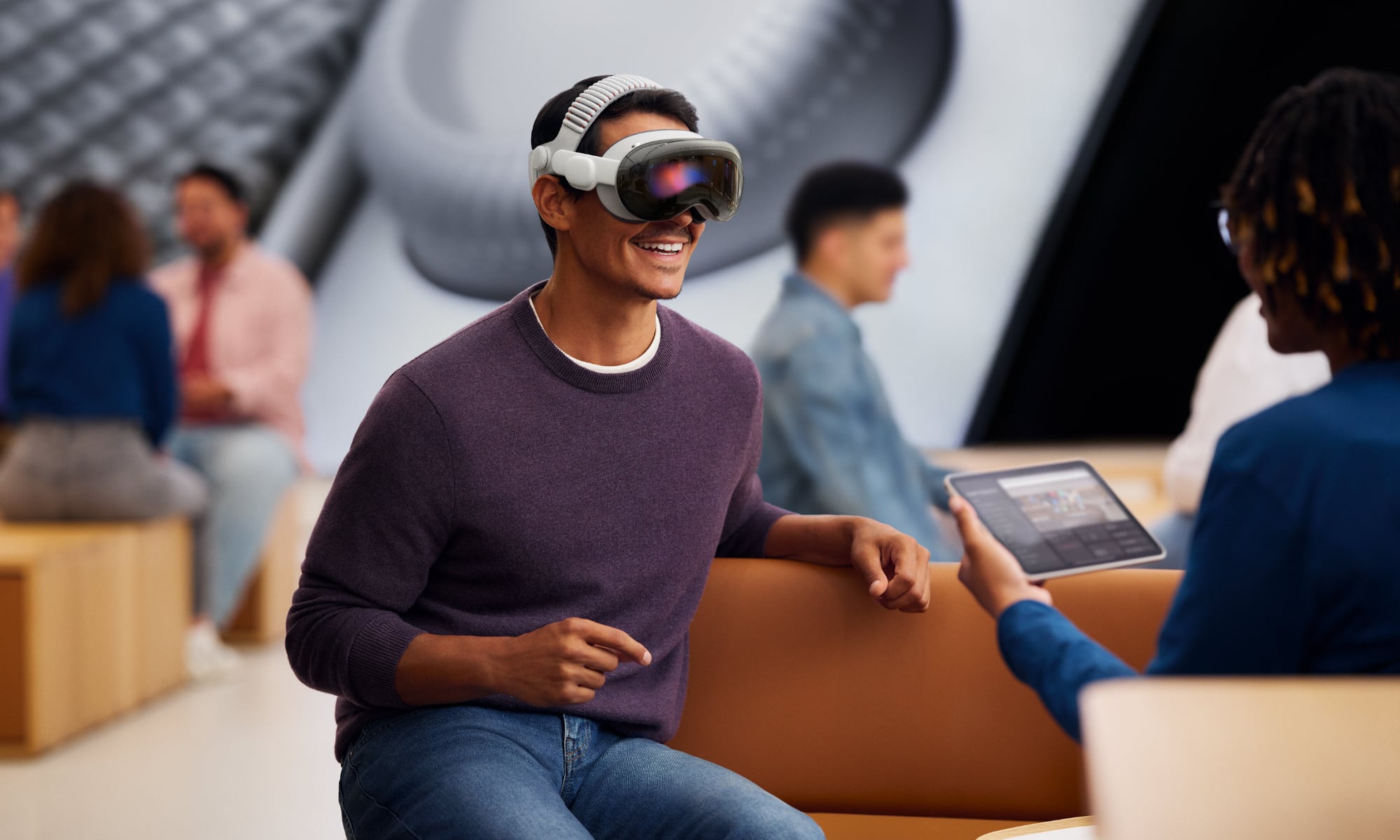
Developers have been relatively slow to embrace the Vision Pro as its high cost limits the potential audience for their apps. While Apple’s spatial computing headset launched with over 600 third-party apps available, in addition to offering support for iPad apps, prominent names like Netflix and YouTube made it clear they had no intention to support the new headset, and even went so far as to prevent their iPad versions from running on it.
While Netflix unsurprisingly continues to hold out, YouTube changed its mind so fast we almost got whiplash. Only three days after the original Vision Pro went on sale in February 2024, YouTube spokesperson Jessica Gibby told The Verge’s Nilay Patel that the company was not only committed to supporting it in Safari, but confirmed “that a Vision Pro app is on our roadmap.”
That’s turned out to be a pretty long road, but at least YouTube wasn’t simply blowing smoke. It’s probably fair to say that the YouTube visionOS app wasn’t a huge priority, and it’s also possible the new M5 version gave them some additional incentive when it debuted last fall by offering a richer media experience.
Of course, as Patel pointed out two years ago, YouTube was also faced with a unique problem that others like Netflix and Spotify didn’t have. As an open platform, it’s virtually impossible for YouTube to block third-party developers from creating their own YouTube apps, and that’s exactly what some did. The best-known of these was Christian Selig’s Juno (yes, that Christian Selig), which became an overnight sensation among Vision Pro users, and while YouTube eventually forced Apple to kill it, the company also knew that it would continue facing these types of battles if it didn’t offer its own app to fill the void.
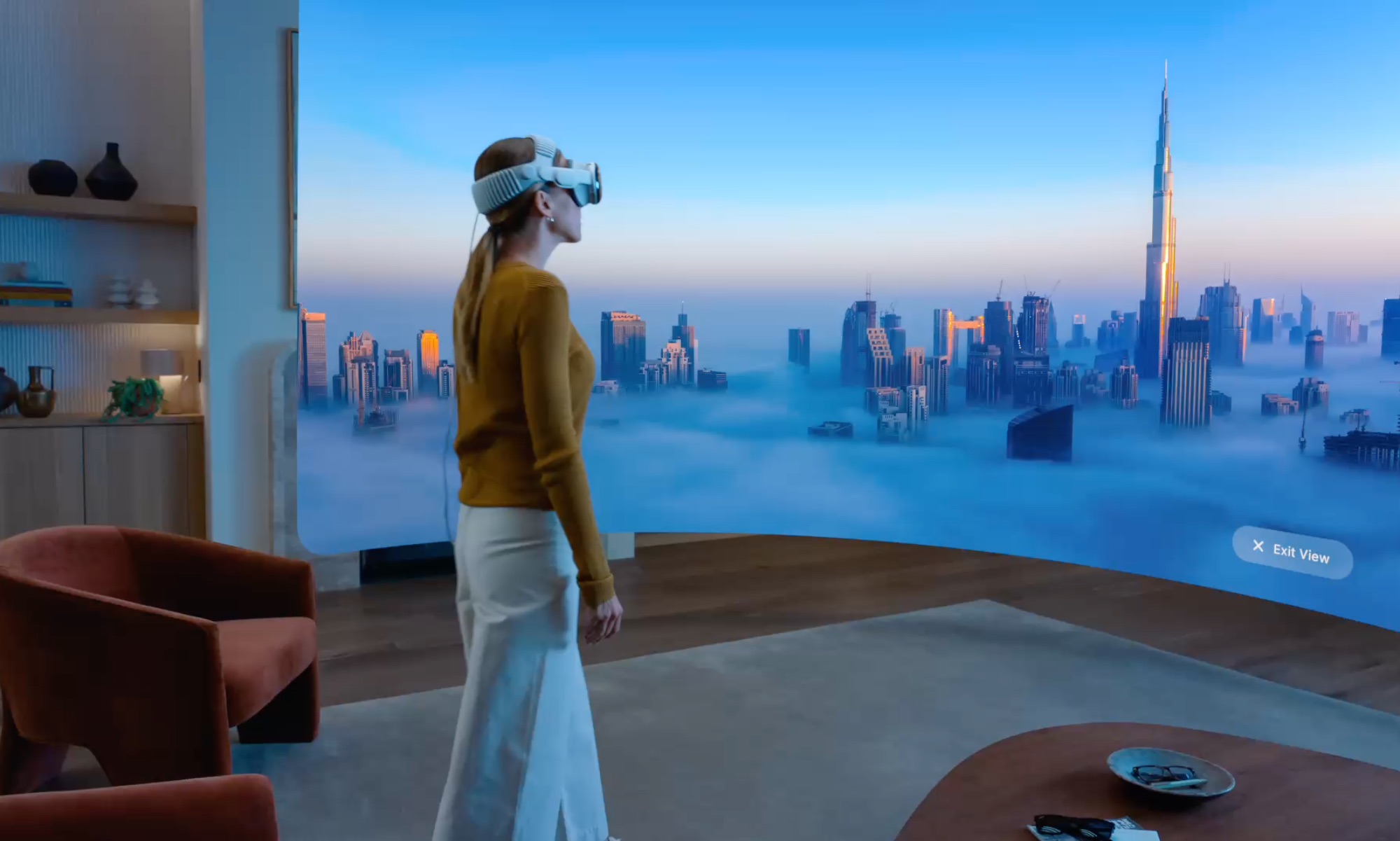
As for what took it so long, another reason for the delay may have simply been that the content on YouTube wasn’t ready for prime time. Apple spokesperson Jackie Roy told Patel in 2024 that YouTube’s 360 and 3D videos simply weren’t considered good enough for the Vision Pro. While the past two years have likely allowed YouTube to amass more high-quality immersive content, it’s also still full of legacy content as well, but it’s also fair to say that Apple may not be quite as concerned about showing off the headset’s peak performance as it was two years ago when it first launched.
It’s also significant that Apple has had much more time to build up its own library of Apple Immersive Video content, and it’s unlikely anything on YouTube will ever beat video mastered by Apple for its own headset, so it’s less risky for Apple to help YouTube get onto the Vision Pro — and it’s clear that Apple has a stake in this, as the announcement of YouTube’s arrival came not from Google, but from Apple PR spokesperson Corey Nord. With Apple and Google cozying up over Gemini, it’s not hard to imagine that there’s more going on behind the scenes here.
Wesley Hilliard of AppleInsider put the new YouTube app through its paces and described it as a “bare-minimum” that’s mostly useful for folks who want to watch VR180 and 3D 360 content, but suggested that Safari is still the better choice for standard YouTube videos, as the YouTube app lacks support for things like theater mode and other immersive environments. On the upside, though, it does provide that ability to download videos for offline viewing, according to David Heaney at UploadVR. That’s something that’s not available in Safari, and could be a boon if you plan to take some content on a long flight, but just like YouTube’s other apps, you’ll need to be a Premium subscriber to take advantage of it.