Russia Threatens Apple With a $50M Fine Over iPhones It Doesn’t Even Sell
Toggle Dark Mode
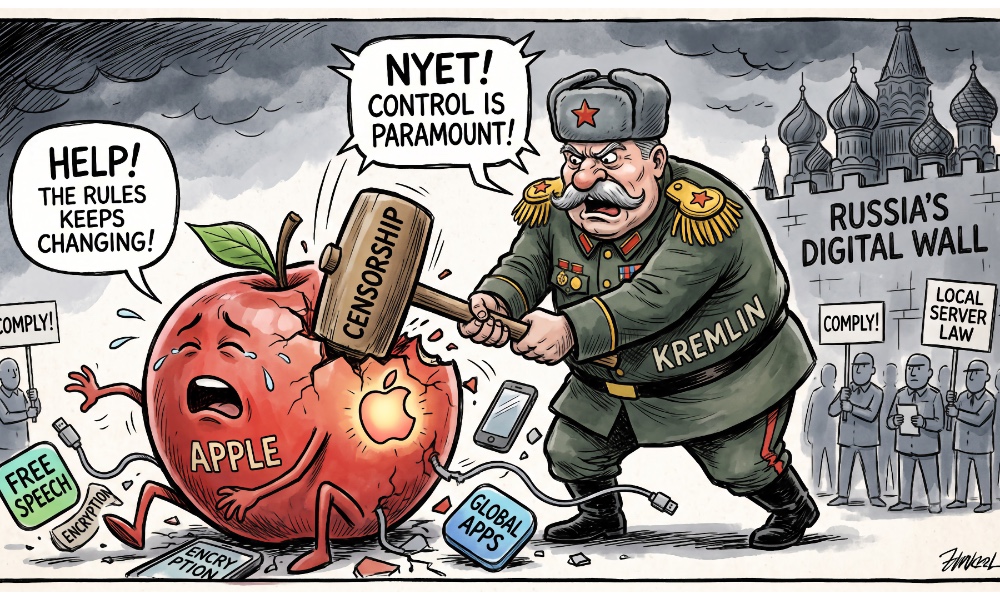
Russia is increasing its pressure on Apple, trying to force it into pre-installing select government-backed apps on its devices, even though Apple hasn’t sold an iPhone inside Russian borders for over four years!
The Kremlin’s latest volley in its long-running dispute with Cupertino’s favorite firm is an antitrust case that could cost the iPhone maker close to $50 million for refusing to pre-install government-backed apps on its devices.
Russia has launched a long-threatened investigation into Apple’s refusal to preload state-backed apps onto devices sold in the country. As we reported last month, Apple has refused to install Max, a state-backed messaging service, and RuStore, a domestic app store.
“The company did not comply with the FAS warning to preinstall the national messaging app and the national app store on its iOS devices (iPhone, iPad). The FAS opened a case against the company in accordance with the competition law and the already established law-enforcement practice in regard to Apple,” a statement seen by Interfax said.
The Kremlin has been grumbling about Apple and other device makers that refused to install government apps on their devices. In 2019, it threatened that it would ban devices from all manufacturers that failed to pre-install government-designated apps.
In late June, Kremlin officials demanded an explanation from Apple as to why Apple had removed apps published by Russian internet and technology company VK from the App Store without “any warning or explanation.”
The Kremlin’s demand came following a complaint by VK about the removal, which it called “unjustified and unacceptable.” The removed apps included social media, video platforms, and messaging apps. Russian officials threatened to drop any cooperation with Apple as a whole.
The Russians then warned Apple of stricter measures, threatening to hit the company with a fine of almost 4 billion rubles (approximately $50 million) for “discriminating” against Russian software by not pre-installing it. Russia’s Federal Antimonopoly Service imposed a July 15 deadline for Apple to comply with their demands. Again, all of this over a device that isn’t officially sold in Russia, either directly or through authorized resellers. The only Apple devices sold inside Russian borders come through the grey and black markets.
This means the devices that do make their way into Russia do not have the Max messaging app preinstalled. While the App Store is available on iOS devices in Russia, new subscriptions and payment options for Apple Services have been completely unavailable in the country since Russian authorities forced the closure of the remaining mobile carrier billing loopholes on April 1, 2026.
Apple and the Russian government have long had a tempestuous relationship.
Apple has been known to acquiesce to demands from the Kremlin in the past. In 2019, it labeled Crimea as part of Russia in Apple Maps — at least for iPhone users in Russia — claiming it had no choice under Russian law. It also initially caved to to Russian demands to preinstall apps in 2021, although that was before the government launched the Max messaging app.
However, after Russia invaded Ukraine in early 2022, it seemed that Apple had grown weary of those demands. It pulled the iPhone off the market, and returned Crimea to Ukraine.
Still, many of the past battles between Apple and the Kremlin have been somewhat the opposite of the current controversy, as Russian officials more often force Apple to remove apps from iPhone and iPads, as opposed to installing them.
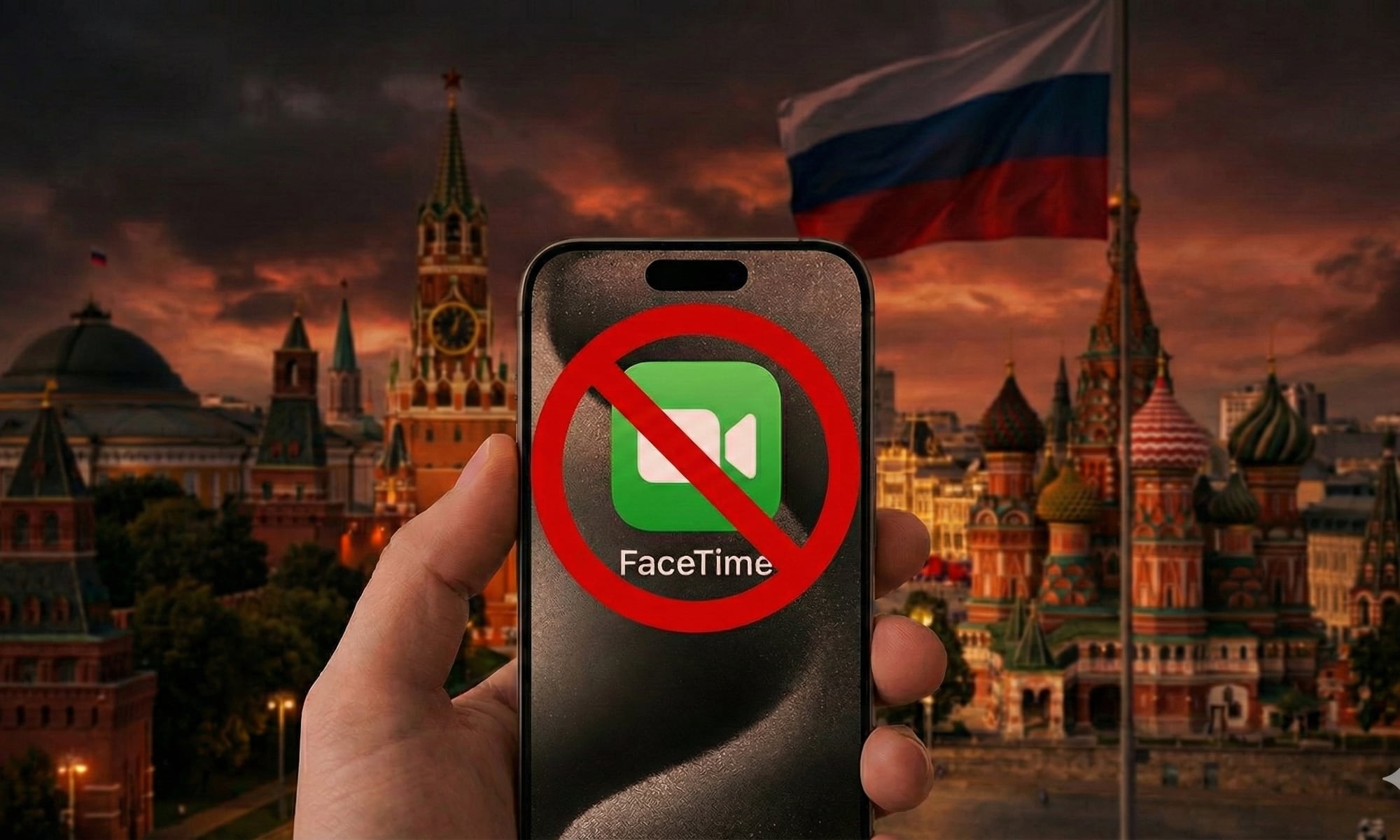
For example, in December 2025, Russian authorities claimed that Apple’s FaceTime encrypted audio and video communication service was being used for criminal activity and ordered FaceTime blocked in the country. Similar restrictions had already been enforced against YouTube, WhatsApp, and Telegram, due to it making similar allegations against those platforms. Oddly enough, those restrictions came soon after the launch of the Russian government’s own rival app, called Max.