TikTok Is Staying: US Sale Officially Reached
 Ascannio / Shutterstock
Toggle Dark Mode
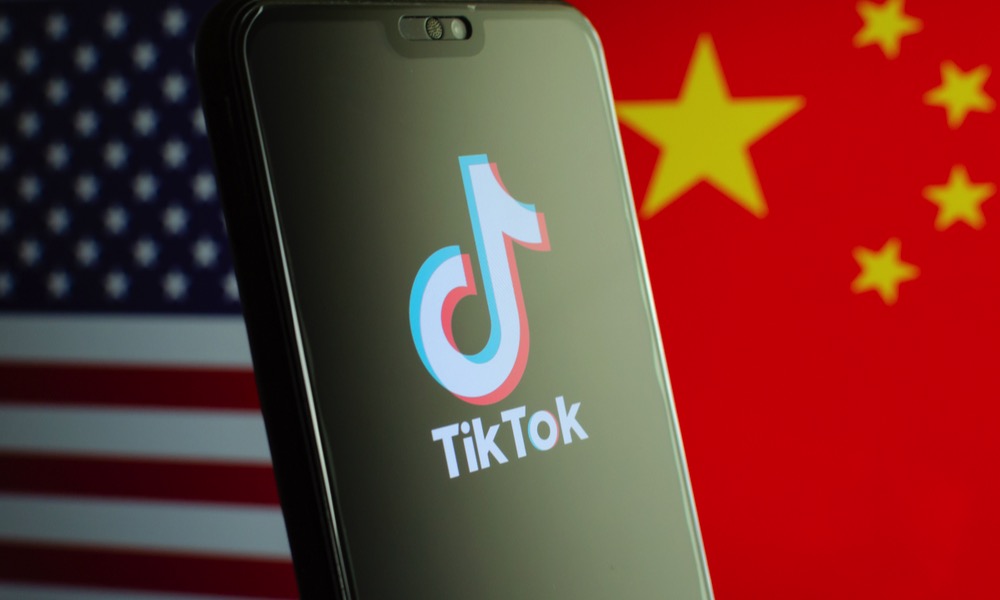
Nearly a year after a TikTok ban was supposed to go into effect in the United States (and very briefly did), a deal has finally been reached to comply with the original requirements of the law.
According to Reuters, ByteDance has signed a set of “binding agreements” that will hand TikTok’s US operations over to TikTok USDS Joint Venture LLC, a new company made up of an American-led group of investors that includes Oracle and Silver Lake, plus the Abu Dhabi-based MGX sovereign investment fund.
ByteDance will retain a 19.9% stake, with the other three major investors holding 15% each (for a total of 45%), and existing ByteDance investors, at least some of which are US-based, collectively holding the remaining 35.1%. The control of TikTok in the US will be strictly in American hands, with a seven-member board made of six Americans and only one seat filled by ByteDance.
The financial terms of the deal haven’t been disclosed, but the new US company is expected to be valued at around $14 billion, according to comments Vice President JD Vance made in September. That’s substantially lower than the $30-$40 billion analysts had estimated it would be worth earlier this year, and it’s still a fraction of the ByteDance empire, which has a global valuation of over $330 billion.
The deal isn’t expected to close until January 22, 2026 — ironically one year and three days after the original deadline for such a sale — but at least TikTok will have officially met the legal requirements to continue operating in the US after a year in what was effectively a legal limbo where the ban simply wasn’t being enforced.
The TikTok Saga
While it’s not the first time the notion of a TikTok ban has surfaced, the current saga began in early 2024 with a bipartisan bill passed with strong support in both houses and signed into law by former President Joe Biden. Dubbed the Protecting Americans From Foreign Adversary Controlled Applications Act (PAFACA), the reasoning for the TikTok ban was right there in the name.
The social media app is owned by China’s ByteDance, which US officials deem controlled by an “adversarial” government, and the PAFACA determined the only way it could continue to operate in the US was if ByteDance sold it to a company more friendly to US interests — preferably one based in the United States.
Biden’s official assent to PAFACA started a nine-month clock that, perhaps coincidentally, expired on January 19, 2025. While nobody could have predicted this in April 2024, this turned out to be one day before President Donald Trump was scheduled to take office. According to the letter of the law, if TikTok wasn’t in US-friendly hands by that date, it would go dark in the US.
However, ByteDance wasn’t willing to roll over so easily to pressure from US legislators. It refused to sell and appealed the ruling instead, claiming that a ban would violate the First Amendment right to free speech. As the clock continued ticking toward a ban, the US Court of Appeals for the District of Columbia Circuit shot down that claim in December, following by the Supreme Court, which upheld PAFACA and the TikTok ban in a unanimous 9-0 decision only days before the deadline.
While then-President elect Trump had promised to find a solution to avoid a TikTok ban, he wasn’t in office at that point, and US-based service providers had no choice but to obey the law and pull the plug. That process began late on January 18, but lasted less than 24 hours when the incoming President promised to stay the ban as soon as he took office. Akamai and Oracle, which run the servers for TikTok’s US operations, decided that was sufficient to restore operations even before the inauguration.
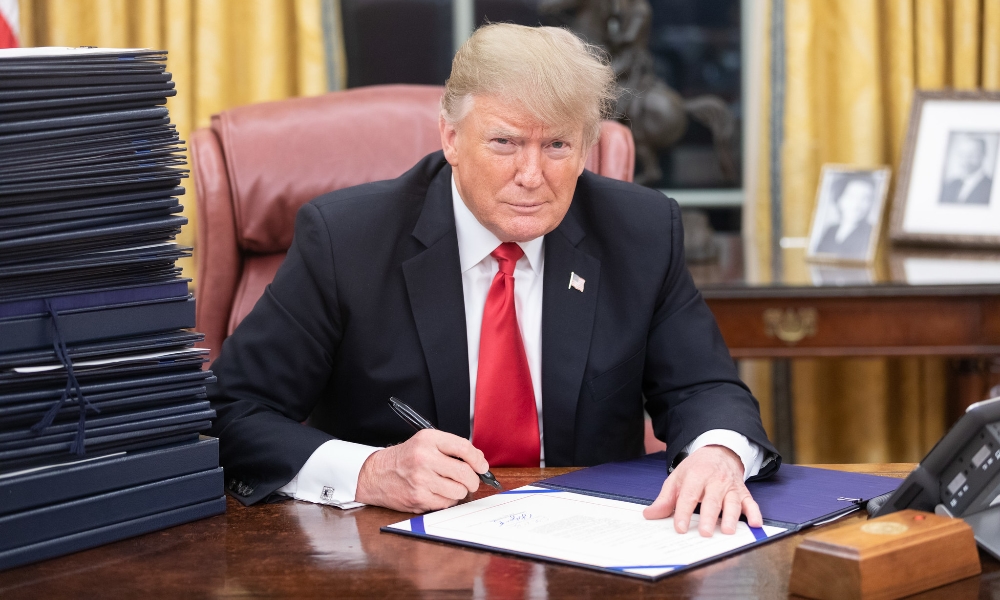
True to his word, President Trump signed an executive order on January 20, 2025, granting a 75-day extension on the TikTok ban. However, since the law was passed by Congress, it couldn’t be reversed by executive order, so the President simply ordered the US Justice Department, which is part of the executive branch, not to enforce the law.
That was sufficient for Oracle and Akamai, but Apple and Google were more cautious about the potential for future legal action. After all, just because a law isn’t enforced doesn’t mean you’re not breaking it. It took another month and some written reassurances from then-new Attorney General Pam Bondi before TikTok returned to the App Store and Play Store.
Since then, it’s been business as usual for TikTok users in the US, with President Trump granting further extensions every 90 days while his administration, ByteDance, and investors have haggled behind the scenes about TikTok’s future. While a deal has elusively seemed to be just around the corner for a few months now, this week’s report confirms that it’s finally been reached, with only the usual formalities left to bring it to a close.
Thus ends the era of TikTok’s uncertainty, but the new deal still presents just as many new questions as it answers old ones.
What Happens Now?
While TikTok will continue operating under the control of this new consortium in the United States, the repeated extensions suggested there was never a huge risk of it actually shutting down — at least for the rest of President Trump’s term. Still, the deal closes the loop by meeting PAFACA’s requirement for a “Qualified Divestiture,” making everything official under the actual laws passed by Congress rather than the immunity provided by executive order.
What’s less clear is exactly how TikTok will operate going forward. End users probably won’t see any difference, but the business relationships are a bit murky right now. ByteDance still owns 19.9% of TikTok US, so it has some influence, even if that doesn’t allow it to exert control over the service.
In an internal memo seen by Reuters, TikTok CEO Shou Zi Chew told employees the joint venture would “operate as an independent entity with authority over U.S. data protection, algorithm security, content moderation and software assurance.” However, he also noted that ByteDance would retain control over “global product interoperability and certain commercial activities, including e-commerce, advertising, and marketing,” which would fall outside of the new joint venture’s purview.
It’s also unclear who will own the algorithm under the new deal. This was one of the most contentious parts of the arrangement, with ByteDance once making it clear that it would only sell TikTok without the proprietary algorithm that powers it, since it considers that integral to its other business concerns. Some reports suggest that Oracle will license the recommendation technology, but ByteDance will retain ownership. It’s also expected to be retrained from scratch, exclusively using US user data “to ensure the content feed is free from outside manipulation,” according to another part of Chew’s memo shared by Variety. This will avoid the “ghost in the machine” concern that some US officials raised on how the algorithm might be inappropriately biased toward foreign influences.
A September report from Reuters suggested that all technical operations — including the app’s data, content, and algorithm — would be ceded to the joint venture, while ByteDance would maintain control of TikTok’s business operations in the US. Sources say that those arrangements “formed the deal contour” of this week’s announcement, but the devil may still be in the details, and Chinese regulators still need to sign off on it, so we’ll have to wait and see how this ultimately plays out.