Chinese Chipmaker CXMT Sues Pentagon Amid Apple Supply Drama
Toggle Dark Mode
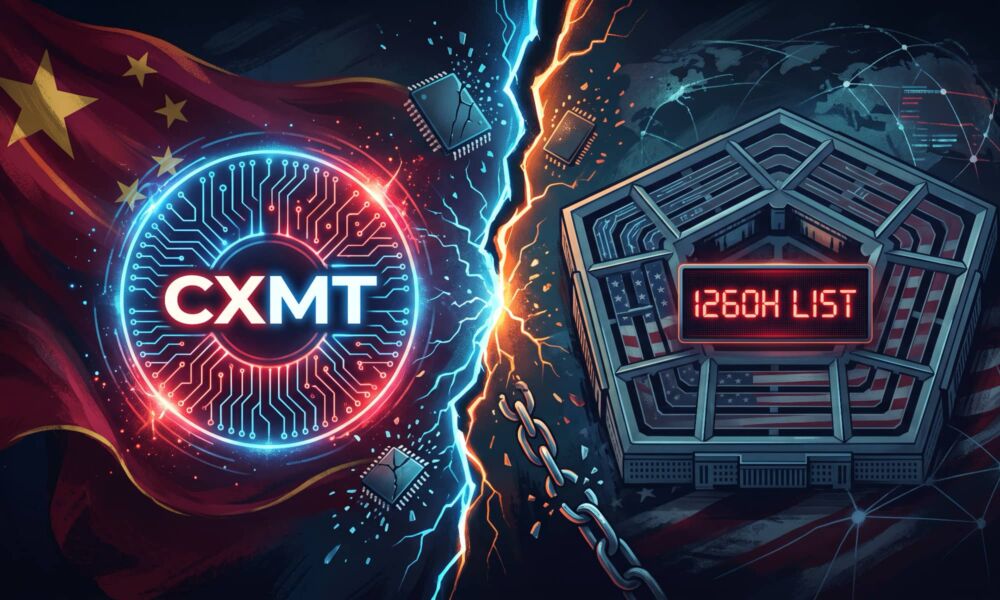
Chinese memory manufacturer CXMT has fired a shot in the Apple memory sourcing battle, suing the Pentagon for putting it on a supplier blacklist by designating it as a risky “Chinese military company.”
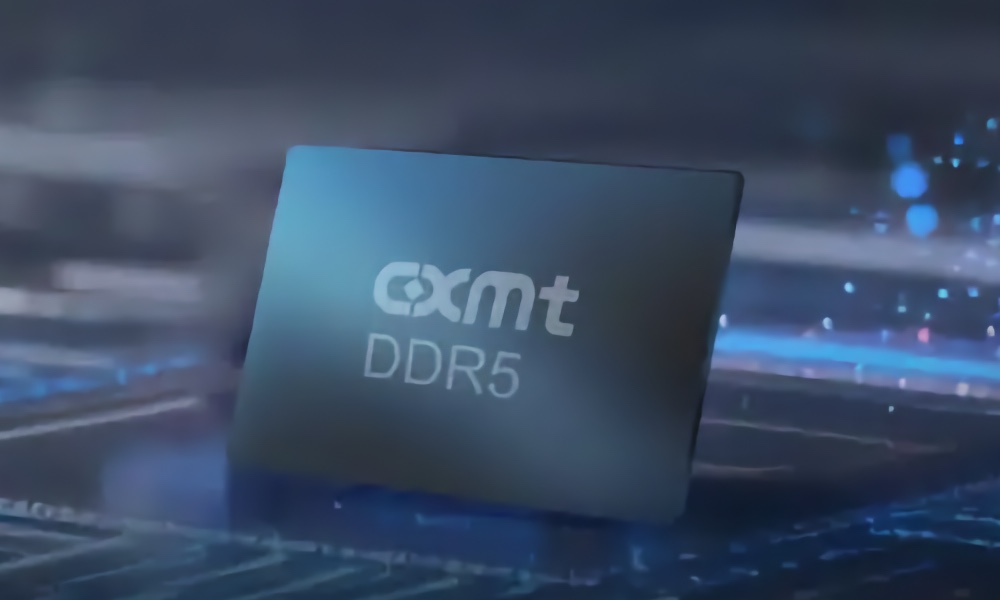
Apple has been trying to find new sources for much-needed memory and storage chips for its iPhone and Mac lineups. Memory supplies have grown tight (and expensive) thanks to the strong demand from the AI industry for memory to be used in data centers.
In June, Apple petitioned President Donald Trump’s administration for permission to purchase memory chips from the blacklisted supplier. Now, CXMT is stepping into the battle by starting a legal fight of its own.
The memory chip producer sued the Pentagon on Friday, reports Reuters, for including it on the Chinese military company blacklist, known as the 1260H list. This list is comprised of companies that the Pentagon believes have links to China’s People’s Liberation Army, making them a potential risk to US national security.
As noted by Mactrast, CXMT insists it’s not a military company and that it’s not affiliated with the Chinese military. The company claims it only provides chips for civilian and commercial use.
CXMT argues that the Pentagon’s decision was “arbitrary,” lacking evidentiary support and violating its due-process rights. The company claims to have spent over a year providing the Pentagon with information that challenges the designation, and is seeking to have the firm removed from the list.
CXMT has been classified as a risk by the Pentagon since January 2025, and says the blacklisting has damaged its business and reputation.
In February 2026, it seemed CXMT would have its way, as the Pentagon briefly announced that CXMT would be taken off the list. However, later that day, the notice was rescinded with no explanation.
Then, in June, the Pentagon said CXMT was “directly affiliated with MIIT and indirectly affiliated with SASAC,” referring to the Ministry of Industry and Information Technology as well as the Assets Supervision and Administration Commission. Both are China controlled.
The list is intended to discourage US firms from buying components and other goods from firms on the list. While the list doesn’t specifically forbid American firms like Apple from buying from CXMT, there are consequences if they choose to do so.
While the iPhone maker says it doesn’t plan to use the chips in any devices destined for US shores — the Defense Department is not allowed to do business with any of the companies on the blacklist, nor are they allowed to purchase and use products or services from any third parties that obtain components from the blacklisted Chinese firms.
All of that means that if Apple buys and uses CXMT memory in its devices (no matter where they’re sold), it could result in the loss of sales to the US government.
The 1260H blacklist is actually not the worst list a company can be placed on. Being named to the Entity List is much worse, as companies on that list are blocked from trade with all companies in the US.
Therefore, if Apple did use CXMT memory without official approval, the memory supplier could be placed on the Entity List, scuttling Apple’s plans for a new source of supply.
There is no telling how all of this will turn out, as the matter has become a political football in Washington. Legislators from both sides of the aisle have urged Apple to not deal with CXMT or any other Chinese memory supplier. Meanwhile, executives from Idaho-based Micron Technology are pressuring the Trump administration to reject Apple’s request, claiming that allowing Chinese chipmakers to sell to US tech companies could “destroy the domestic industry.”