Why Apple Chose Google’s Brain Over OpenAI’s Ambition
Toggle Dark Mode
This week, Apple and Google announced a new deal to use the search giant’s Gemini AI to power the new, more personalized Siri. The multi-year collaboration will see Gemini models run on Apple’s Private Cloud Compute servers, with Apple controlling how the model is implemented and maintaining privacy for its users.
Now, a new report provides additional details about the deal and explains why a deal wasn’t made with ChatGPT provider OpenAI instead.
The Billion-Dollar Handshake
Analysts have speculated that the deal will cost Apple around $1 billion a year. The Financial Times more or less confirms this, adding that Apple will likely pay several billion dollars to Google over the course of the partnership, structured as a cloud computing contract.
While billions over several years sounds like a big pile of money, Apple will be able to reach into the much larger pile of cash (around $20 billion, according to most reports) that Google pays each year to maintain its position as the default search engine for Apple’s Safari browser on the Mac, iPhone, and iPad.
In addition to discussing the new Apple-Google “Siri gets a real brain” deal, the FT report also claims OpenAI specifically chose not to make a deal with Apple to power Siri.
OpenAI declined to comment. But a person close to the company said it had taken “a conscious decision to not become the custom model provider for Apple” in the autumn of last year and instead focus on building its own AI device to leapfrog the big tech companies.
Why OpenAI Was Left Behind
While Apple and OpenAI almost certainly engaged in preliminary discussions about a deal similar to the one it just signed with Google, no one knows for sure how far those discussions progressed.
In June, Bloomberg’s Mark Gurman reported that Apple was courting both OpenAI and Anthropic as possible candidates to power Siri’s brain, and had even asked them to work on large language models that could run on Apple’s Private Cloud Compute infrastructure. While the FT raises the possibility that OpenAI was never open to such a deal in the first place, it seems the AI firm was at least willing to listen, and the report doesn’t specifically say whether OpenAI simply declined an Apple offer.
Apple’s decision to use Gemini came after Google finally closed the gap with OpenAI in model performance, according to the usual “person with knowledge of Apple’s decision.”
‘Dying on the Vine’
While Apple said the deal with Google would not affect the existing ChatGPT integration, in which OpenAI’s chatbot can serve as a fallback for Siri, analysts believe it won’t be good for ChatGPT’s future on Apple’s platforms.
“I think that the ChatGPT integration is going to die on the vine,” analyst Gene Munster of Deepwater Asset Management told FT. “Having two large models, given the economies of scale, wouldn’t make a ton of sense for Apple.”
The current Apple Intelligence “extension” design relies on using ChatGPT to answer questions that Siri can’t handle on its own, and a Gemini-powered Siri would need far less help from another chatbot. Even if ChatGPT sticks around, it will likely fade into the background, used only when folks ask for it by name. ChatGPT was never truly baked into Siri — the two operated independently — and Apple is likely to keep OpenAI at arm’s length.
The Jony Ive Irony
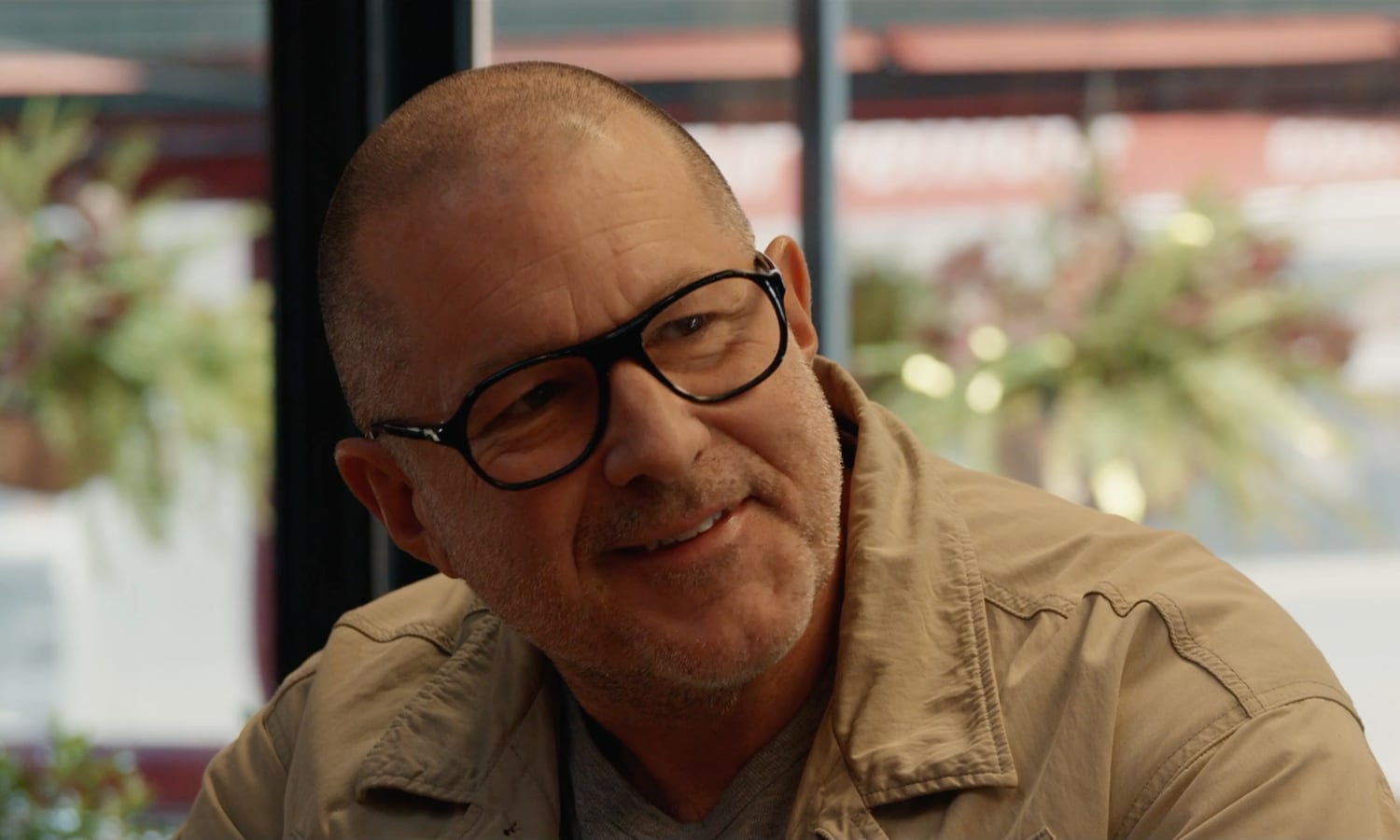
Munster believes that Apple’s decision to do a deal with Google was due to OpenAI’s work on products that could compete with the iPhone in the future.
“There is a political part. When Jony Ive was hired by OpenAI, that changed the tide,” he said.
Last May, former Apple designer Jony Ive signed a deal with OpenAI to meld Ive’s design expertise with OpenAI’s artificial intelligence technologies to produce a yet unknown AI device, creating a new venture in a nearly $6.5 billion all-stock deal. Ive insists that won’t be a smartphone, but rather something nobody has done before, but that still leaves Apple with a great deal of uncertainty about what it could be facing. It’s rather ironic that Apple’s legendary former Chief Design Officer is the reason the iPhone maker is now turning to one of its greatest rivals.