John Giannandrea Exits Apple After Siri Struggles
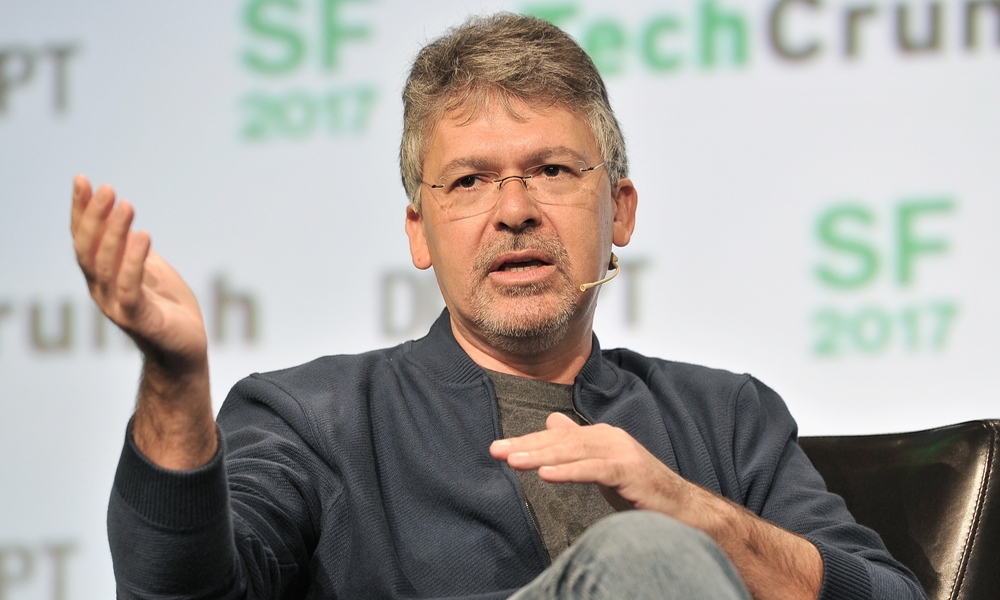 John Giannandrea, Apple Senior VP of Machine Learning and AI Strategy [TechCrunch, CC BY 2.0 via Wikimedia Commons]
Toggle Dark Mode
Apple has officially announced the retirement of AI chief John Giannandrea, and with it the winding down of its top-level Machine Learning and AI Strategy Division.
While Apple obviously isn’t giving up on AI, Giannandrea’s departure has led the company to relegate it to a subdivision of software engineering, placing it mostly under the leadership of Senior Vice President Craig Federighi. A newly hired VP, Amar Subramanya, will lead the software side under Federighi, while the infrastructure and operational aspects of Giannandrea’s former division are moving to COO Sabih Khan and services chief Eddy Cue.

As with Giannandrea, Apple’s new AI chief comes from outside the company — in this case previously overseeing AI research for Microsoft, where he served as a corporate vice president of AI. However, he spent 16 years before that at Google, likely working under Giannandrea for at least some of that time, since he was head of engineering for Google’s Gemini Assistant.
“We are thankful for the role John played in building and advancing our AI work, helping Apple continue to innovate and enrich the lives of our users,” said Tim Cook, Apple’s CEO, in the company’s press release. “AI has long been central to Apple’s strategy, and we are pleased to welcome Amar to Craig’s leadership team and to bring his extraordinary AI expertise to Apple.”
A Legacy of Mixed Results
While Apple naturally put a positive spin on the changing of the guard, it doesn’t take a lot of insight to connect the dots and realize that Giannandrea’s retirement may not have been entirely voluntary. Apple’s departing AI chief joined the company in 2018, coming over from heading up AI at Google in the hope of steering the company’s machine learning strategy. He was promoted to Senior VP of Machine Learning and AI Strategy a few months after he came on board, and built what Apple calls a “world-class team” behind its critical AI technologies, which ultimately covered Apple Foundation Models, Search and Knowledge, Machine Learning Research, and AI Infrastructure.
Giannandrea’s arrival sparked a lot of hope that we’d see significant changes to Siri, even if those took a few years to come to fruition. His division even took on the ill-fated Apple Car project once it became more about software than hardware. Sadly, that project met its demise in early 2024, although it’s not clear how much of the blame for that goes to Giannandrea and his team.
However, there was one failure that landed squarely on the AI chief’s desk: Siri’s failure to launch with its promised improvements. Apple had put on a big dog-and-pony show about how a more personalized Siri would be delivered as part of the Apple Intelligence features in iOS 18, and even ran a high-profile advertising campaign, only to later quietly admit that it needed more time in the oven.
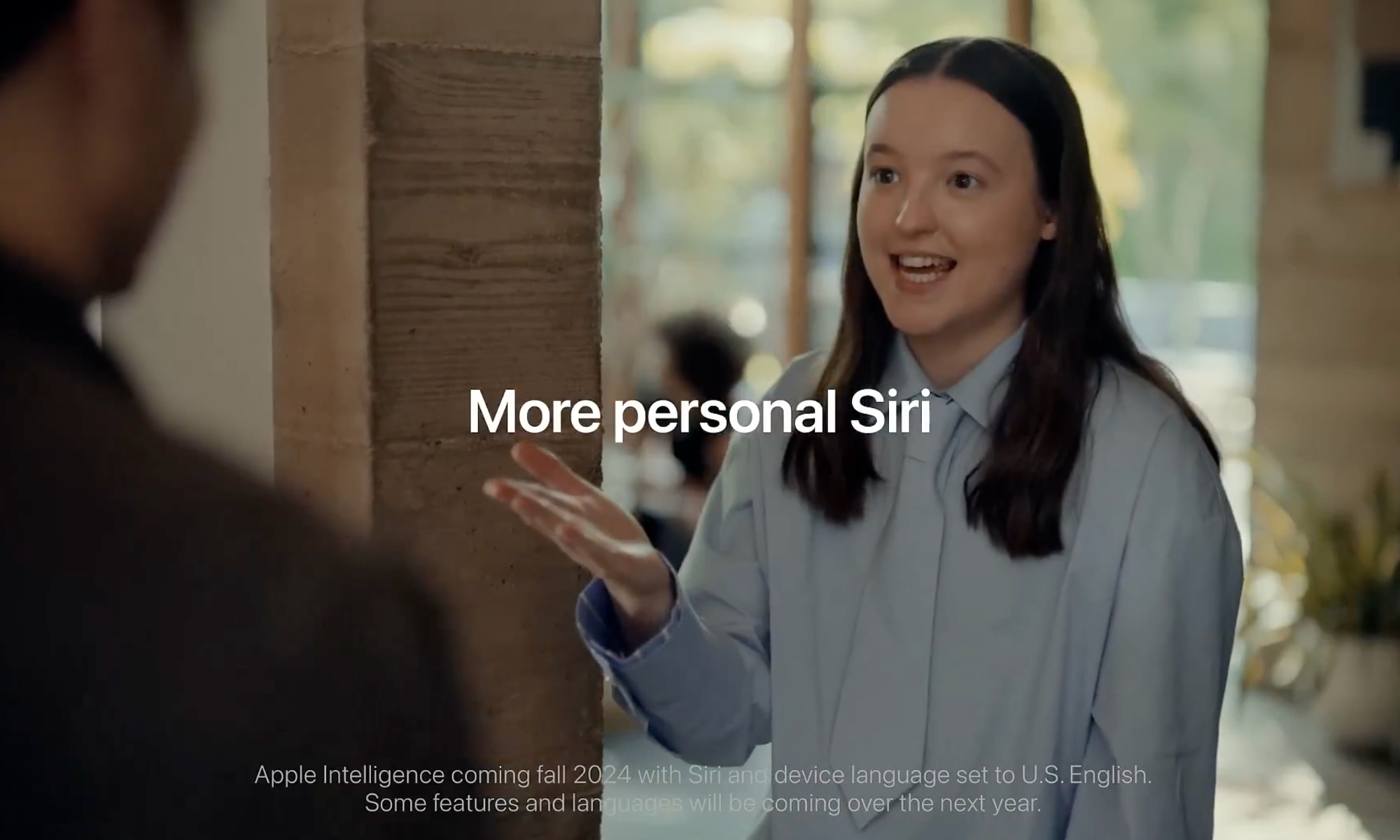
According to insider reports shared by Bloomberg’s Mark Gurman, that shook Tim Cook’s confidence in Giannandrea’s abilities “to execute on product development,” and it started to show. After reports that highly regarded “fixer” Kim Vorrath failed to get things back on track, Siri was ultimately reassigned to Craig Federighi. Not long after, a more secretive robotics project in the AI/ML division shifted to hardware engineering chief John Ternus.
That put the writing on the wall for Giannandrea, as it effectively left little for a senior VP to do beyond pure research. Sources suggest that’s what he was best at — many at Google reportedly viewed him as more of a theoretician during his tenure there — but it wasn’t clear whether a product-focused company like Apple had much use for a high-level executive heading up an entirely academic division.
Another executive shuffle in October preceding Jeff Williams’ imminent retirement once again raised the question of how long the Machine Learning and AI Strategy division would continue to exist with most of the real work now being done by other teams. Now, it seems we have the answer. There’s no doubt that Giannandrea contributed a great deal during his tenure — Apple credits him with building the foundation of its AI efforts — but he ultimately proved to be the wrong person to turn those efforts into something more tangible. He’ll remain on as an advisor to the company to help with the transition, but is expected to retire completely in the spring of 2026.