AirPods Max 2 vs. AirPods Max: Is the H2 Chip Worth the Upgrade?
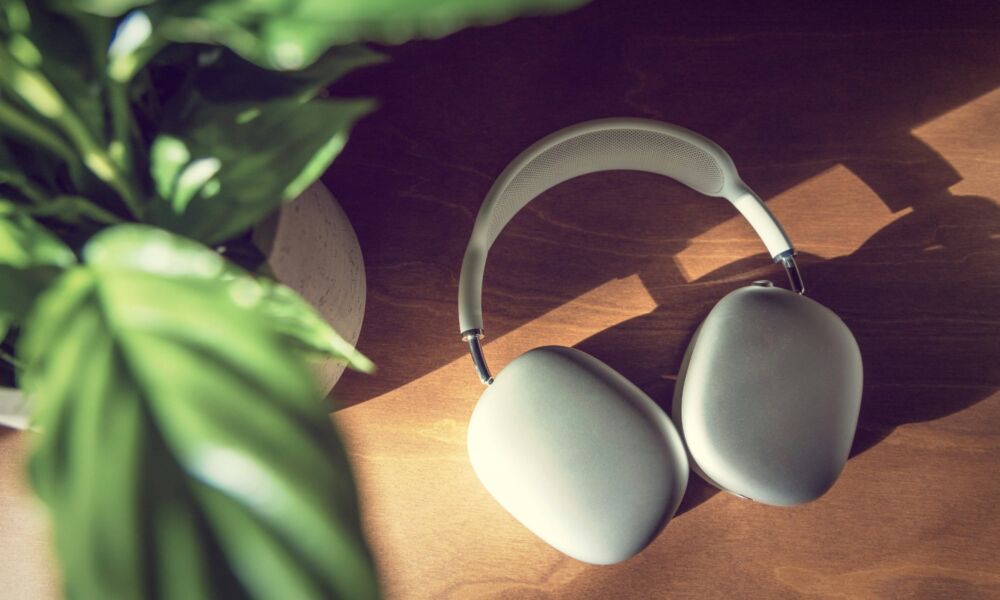 Realmac Software / Unsplash
Toggle Dark Mode
Last week, Apple surprised us by randomly launching the AirPods Max 2, a long-awaited refresh of its over-ear headphones. While some have argued the changes are too little, too late, it’s still a welcome update that finally bring them into the modern era, giving them capabilities that match the rest of Apple’s AirPods lineup.
After all, it’s been downright strange how Apple’s premium headphones have felt stuck in the past, with nary a change since their original December 2020 release other than a disappointing 2024 refresh that did nothing more than swap the Lightning port for USB-C and change up the color palette. While the AirPods Pro 2, AirPods 4, and even the Powerbeats Pro 2 adopted Apple’s new H2 chip to power features like Adaptive Audio, better Active Noise Cancellation, Conversation Boost, and Live Translation, the AirPods Max were perpetually left out of the party due to their older H1 chips.
That makes this month’s AirPods Max 2 a breath of fresh air. While Apple may have only updated them because it was tired of producing H1 chips, the reason doesn’t really matter; the point is that they’re here, and they finally offer a more modern experience for Apple’s flashiest cans.
Still, it’s an update that begs a question for many current AirPods Max users: Should you make the leap to the new model? Further, if you were hesitant about the originals and gave them a pass, is it finally time to jump in now that a true second-generation model has arrived? Let’s break down what’s changed.
Audio Quality
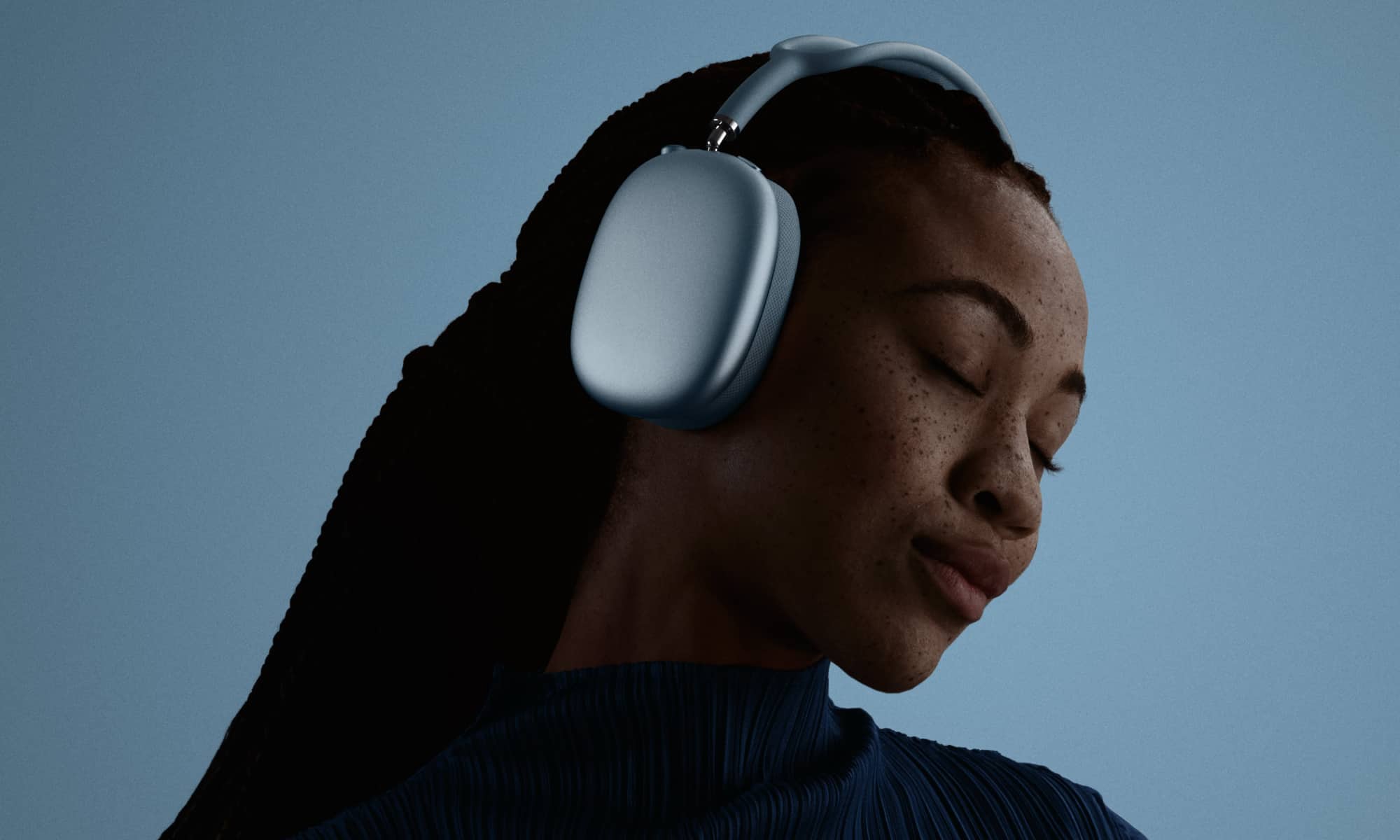
Let’s face it, unless you’re someone for whom money is no object, audio quality is likely a big priority if you’re in the market for a $549 set of headphones. While there are arguably better options on the market outside of the Apple ecosystem, the AirPods Max don’t disappoint in this regard.
Their sound stage isn’t everyone’s cup of tea; like many modern cans they lean bass-heavy, but they also never lose control on the lower end. The bass is extremely present, but it’s focused and doesn’t overpower the rest of the music.
While we’ll have to wait for the reviews to come in, the AirPods Max 2 likely won’t change much in this regard. Apple’s preference to design for more power in the sub-bass — bordering on a “U-shaped” sound curve — has undoubtedly continued into the new model. Apple says it’s added a new high dynamic range amplifier to the AirPods Max 2 for “even cleaner audio,” but it also emphasizes that this maintains the same sound signature.
The bottom line is that if you like the sound of the AirPods Max, you’ll likely feel the same way about the AirPods Max 2. Still, the audio profile is likely to be an incremental improvement, not a revolutionary change, and we doubt it’s enough to make anyone without deep pockets pull the trigger on upgrading from one set of premium headphones to another. On the flip side, you almost certainly won’t want to go for the AirPods Max 2 if you hated the way the originals sounded.
Adaptive Audio Features
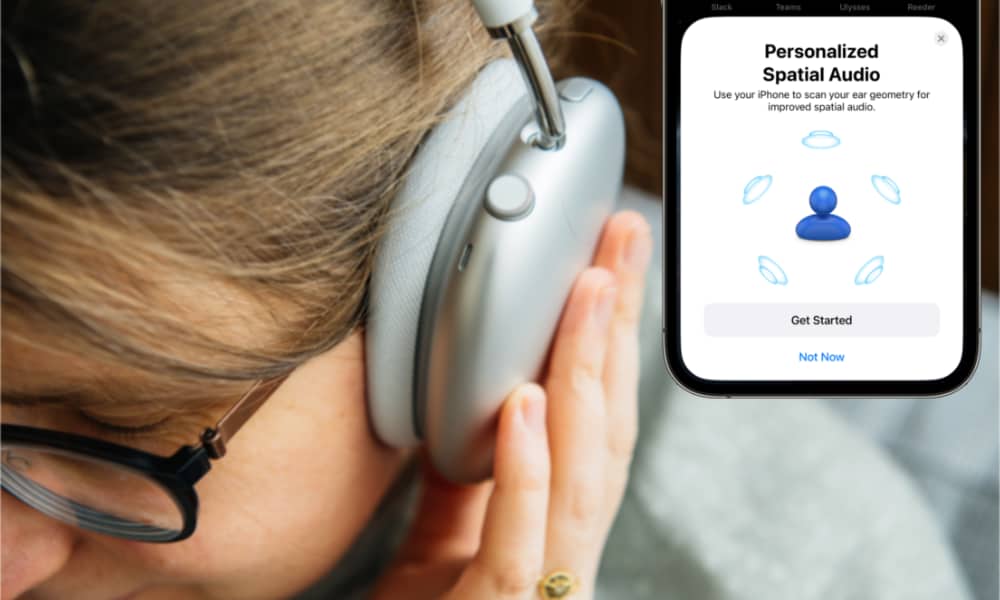
The biggest change by far — perhaps the only significant change, in fact — is Apple’s decision to ditch the legacy H1 chips in favor of the more modern H2.
It’s a long-overdue change, considering the H1 arrived in the second-generation AirPods in 2019, and was last used in the AirPods 3 in 2021, which were replaced by the H2-powered AirPods 4 in 2024. Still, it’s a welcome one that opens the door to the biggest improvements in the AirPods Max 2.
If you’ve used any H2-equipped AirPods — the AirPods Pro 2, AirPods Pro 3, or AirPods 4 — you’ll already be familiar with everything the new chip brings to the AirPods Max 2. There’s nothing at all new here for the over-ear headphones; just the same features most other modern AirPods users already enjoy. Here’s the rundown:
- Active Noise Cancellation:Apple says ANC is now 1.5x better than the original AirPods Max. That’s arguably not much, considering that each generation of AirPods Pro doubled the ANC over their predecessors. However, over-ear headphones already provide solid passive noise isolation, and the ANC on the original AirPods Max was definitely solid. Again, we’ll have to wait for the reviews to see how much it actually matters, and ANC is arguably less critical for bulkier headphones that many people won’t be wearing in the noisy outside world.
- Adaptive Audio: Introduced in iOS 17, this provides a nice middle ground between full ANC and Transparency Modes, blending the two to give you the best of both worlds. An AI-powered algorithm controls what you hear based on your environment and whatever you’re listening to, ensuring important sounds get through without constantly disturbing your music.
- Conversation Awareness: This lets you talk to someone without removing your headphones. When enabled, audio will automatically be reduced and Transparency Mode enabled when they detect you’re talking to someone. It’s not perfect — it can pick up coughs and throat clears, and you’ll miss what the other person says if they start talking first — but it still works surprisingly well on the AirPods Pro, so we can imagine the AirPods Max 2 will offer a similar experience.
- Personalized Volume: Is another iOS 17 feature that the AirPods Max 2 can finally take advantage of. When enabled, this will learn your listening habits over time and adjust your listening volume based on your settings and volume preferences.
- Voice Isolation: This is an iOS 18 era feature that’s designed to filter out wind and background noise when you’re making calls or recording other audio with your headphones on. It uses computational audio algorithms to remove the background noise, and it works so well that someone on the other end of a call would have no idea if you were standing in the middle of Times Square.
- Live Translation: Introduced last year in iOS 26 for all H2-equipped AirPods, this will allow you to carry on a conversation with someone speaking in a different language and hear their words translated into your own. You’ll need an Apple Intelligence-capable iPhone, and the list of languages is still pretty small; as of this writing it includes English (US, UK), French (France), German, Italian, Japanese, Korean, Portuguese (Brazil), Spanish (Spain), Chinese (Mandarin, simplified), and Chinese (Mandarin, traditional). While Apple added support for languages like Danish and Vietnamese to the broader Apple Intelligence system in iOS 26.1, those are currently limited to text-based features like Messages and haven’t yet been enabled for the real-time AirPods audio experience.
While all these additions are great, it’s debatable how useful they are on over-ear headphones. If you’re someone who wears AirPods Max out in public, they’ll prove indispensable, but if you simply prefer to put them on when enjoying music in a quiet room in your home with nobody else around, they may be largely irrelevant.
The same applies to another feature that makes for an odd addition to the AirPods Max 2: With iOS 26.4, you can now use the Digital Crown as a camera remote for taking pictures or starting and stopping video. We can’t think of too many scenarios where this would be useful on a full-sized set of headphones unless you’re really into wearing them in group photos, but it’s there if you want it. Lastly, the H2 chip now allows you to call up Siri from the AirPods Max 2 by simply saying “Siri” rather than “Hey Siri.”
Lossless Audio
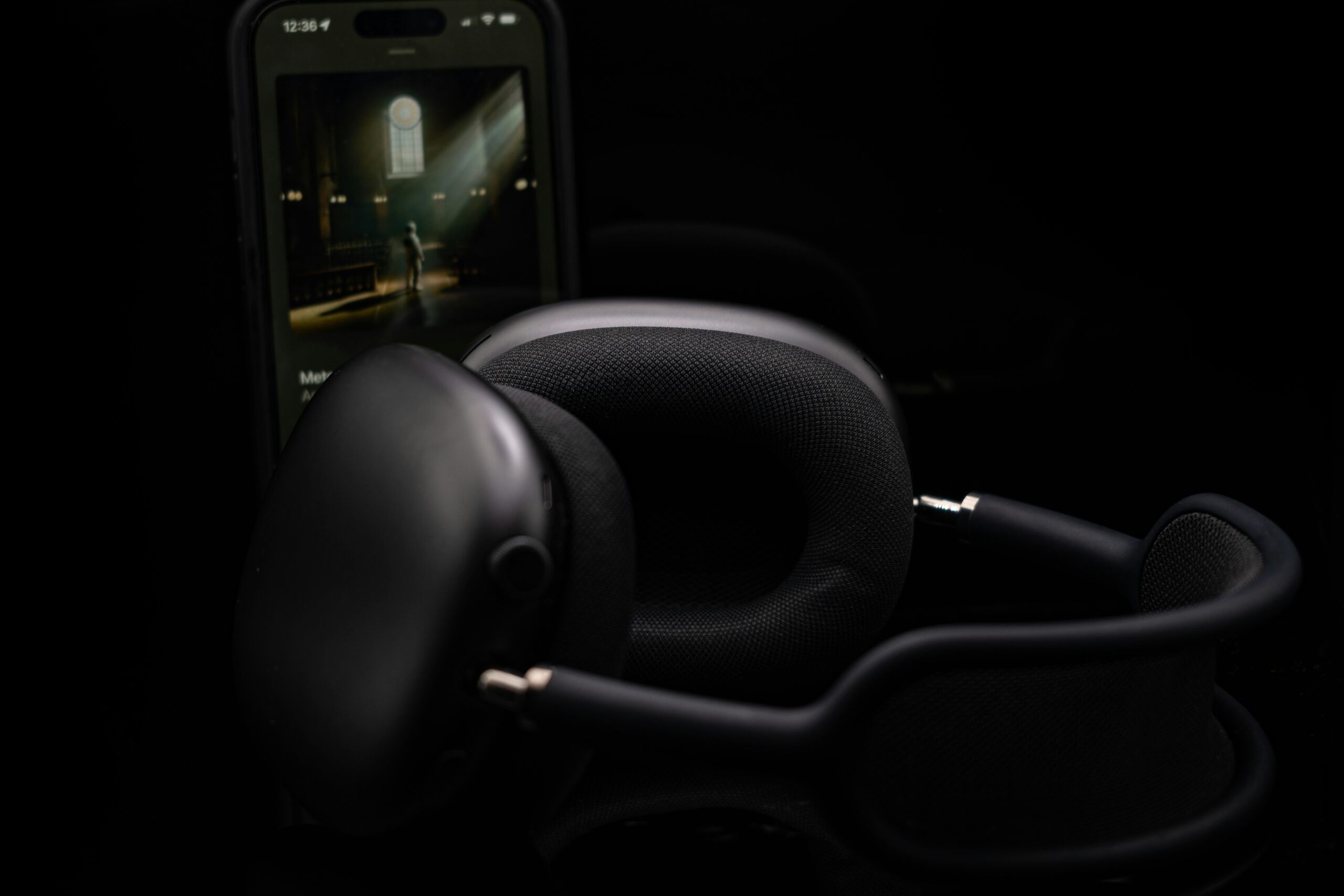
The AirPods Max 2 support Lossless Audio and ultra-low latency audio when connected to a digital audio source using a USB-C cable. However, that’s not entirely new; Apple added the same capability to its 2024 USB-C AirPods Max last year in iOS 18.4. As far as we can tell, the AirPods Max 2 just continue that tradition.
Still, this is something the original Lightning-equipped AirPods Max can’t do, and likely never will. While you can connect those to an analog source using a 3.5mm to Lightning cable, that’s not truly lossless, as the audio is still going through an analog-to-digital converter (ADC) inside the headphones.
If Lossless Audio and ultra-low latency are important to you and you’re still using the original Lightning AirPods Max, the other features certainly make it far more worth the jump to the AirPods Max 2 than the interim 2024 USB-C update did. However, if you’re already rocking the USB-C models, you already have the same wired audio capabilities the AirPods Max 2 offer.
Battery Life
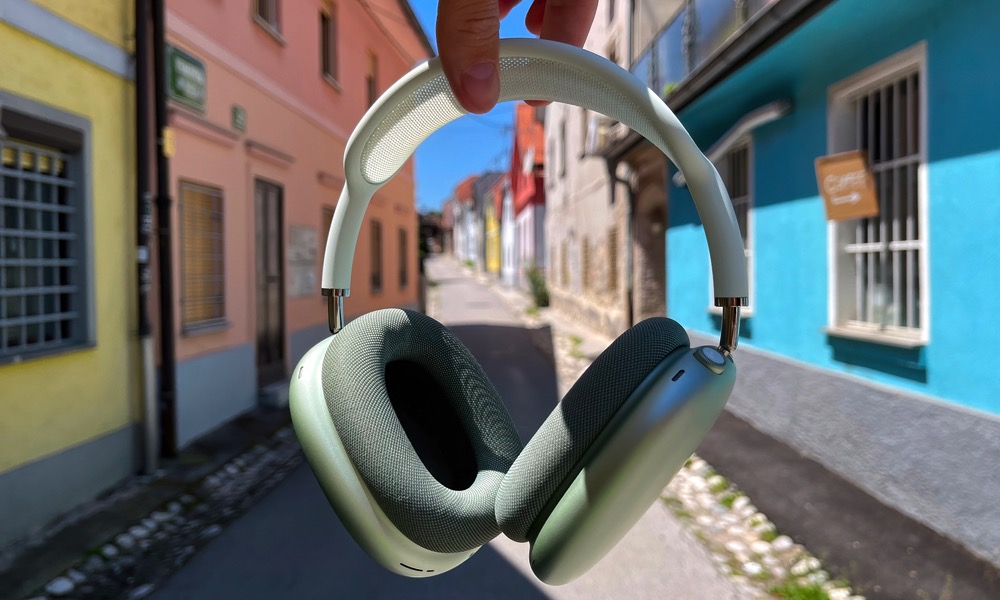
If you were hoping the new H2 chip would improve battery life, be ready for a disappointment. Despite also sporting Bluetooth 5.3 (versus 5.0 on the originals), the AirPods Max 2 offer the same 20 hours of listening time on a single charge as their predecessors. That’s with Active Noise Cancellation enabled, so you may get a bit more if you turn it off, but the original AirPods Max only pushed that 25 hours, which isn’t nearly as significant of a jump as rival headphones. We have no reason to believe the AirPods Max 2 will be any different, but we’ll have to wait and see.
Colors and Design
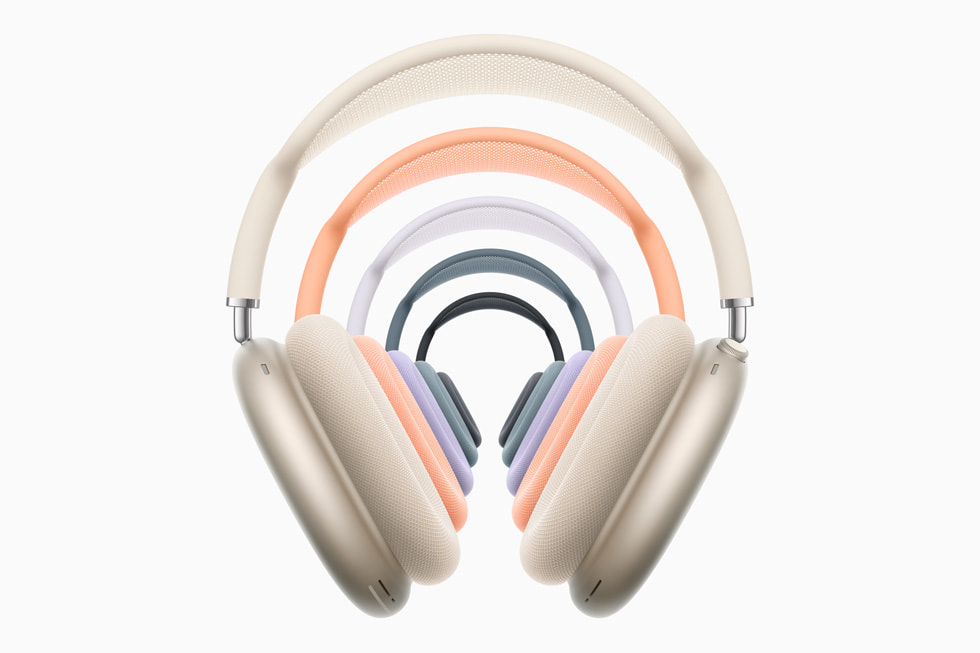
Apple has made no changes at all to the AirPods Max 2 in the design department. The dimensions and weight of the AirPods Max 2 are identical to the originals in every way. They also still pack in the same Smart Case, which likely hasn’t been updated at all as there’s not much that needs to change with the pleather and magnets.
Surprisingly, the AirPods Max 2 don’t even sport any new colors. Apple refreshed the color palette when it switched the originals to a USB-C port in 2024, replacing space gray, silver, sky blue, green, and pink with midnight, starlight, blue, purple, and orange. However, the AirPods Max 2 retain that 2024 lineup, which means it will likely be nearly impossible to tell the difference between the original AirPods Max with USB-C and the AirPods Max 2 purely by sight.
The Verdict
Whether the AirPods Max 2 are a welcome improvement or a swing and a miss depends entirely on your perspective and how you plan to use them. While the H2 chip delivers some nice upgrades, they’re of dubious value for over-ear headphones, the audio quality improvements are likely to be incremental, at best, and the battery life and physical design remains so unchanged as to make the new cans indistinguishable from their immediate predecessors.
If you passed on the original AirPods Max, there’s probably not much in the latest model to entice you, although it might be enough to win over those who have long been sitting on the fence. If you already own a pair of AirPods Max, the only likely motivation for upgrading is if you’re still using the Lightning version and really want the USB-C port and Lossless Audio or if you use them in a more active lifestyle, where the Adaptive Audio features will actually make a difference.
That said, with over five years of time between updates, we wouldn’t recommend holding your breath for the AirPods Max 3 to show up anytime soon. If you liked what the original AirPods Max had to offer but were holding out for something better, the AirPods Max 2 are it. They’re available for pre-order from the Apple Store for $549 and should begin showing up in stores early next month.