SpaceX Isn’t Staying in Orbit — It’s Building a Full-Blown Terrestrial Carrier
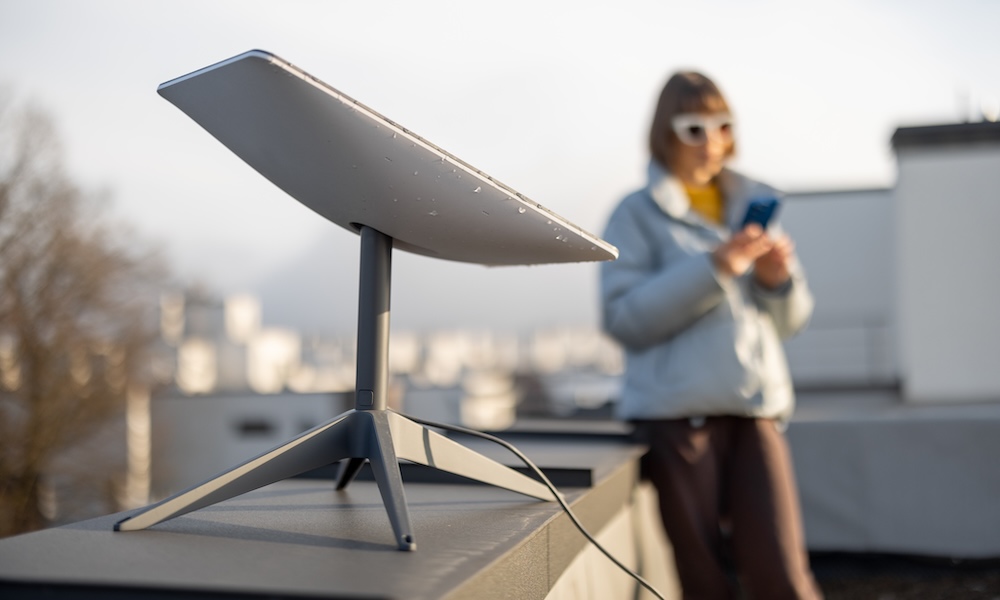 rh2010 / Adobe Stock
Toggle Dark Mode
Rumors of SpaceX getting into the carrier game kicked into high gear in June when the company told investors it planned to launch a new Starlink mobile service for US consumers, and it looks like it hasn’t been wasting any time.
Last month, SpaceX announced an $8 billion deal to acquire low-band spectrum that would allow its mobile signal to penetrate through walls. Now, Qualcomm has entered the ring, announcing this week that it will be supplying its Dragonwing Cellular Infrastructure to tens of thousands of SpaceX sites as part of a multiyear agreement — with the rollout beginning in 2027.
With that move, it appears that Starlink Mobile is officially establishing itself as a full-blown carrier.
Building a nationwide network demands high performance and power efficiency at every site. Dragonwing Cellular Infrastructure platforms bring together advanced Massive MIMO, purpose-built processing and commercial-grade Layer 1 software to help Starlink deliver an exceptional nationwide network. Together with SpaceX, we are building world-leading cellular infrastructure in the United States, advancing 5G today, with an opportunity to lay the foundation for AI-native 6G in the years ahead.
Durga Malladi, Qualcomm’s EVP & GM, Technology Planning, Edge Solutions, and Data Center
Starlink Mobile will be the first fully integrated nationwide satellite and terrestrial network designed to keep people connected everywhere. “Terrestrial” is the key word in this deal. While Starlink is known for satellites, technology isn’t yet at the point where those can deliver the fast, reliable signal consumers are accustomed to.
To bridge that gap, SpaceX is building a network of ground-based cell towers with Qualcomm’s technology that will complement its satellites. This partnership will also be the first time Qualcomm’s Dragonwing technology is used in the US.
MIMO radio units mean each tower will have multiple antennas, allowing it to serve hundreds of people without slowing down speeds. MIMO is typically used in higher frequency bands. Here Qualcomm will deploy it at 2 GHz. Lower frequencies travel farther and are better at penetrating obstacles like building walls and ceilings. The setup is designed to cover more ground per tower while still able to handle heavy traffic.
A single network blending satellites in orbit with towers on the ground would allow consumers to connect to faster and more reliable cell towers wherever they’re available while seamlessly falling back to satellite coverage when straying out of range, such as on a hike or in a boat. Think of it as T-Mobile’s T-Satellite service, which is offered in partnership with Starlink behind the scenes — only this time, Starlink itself is the carrier.
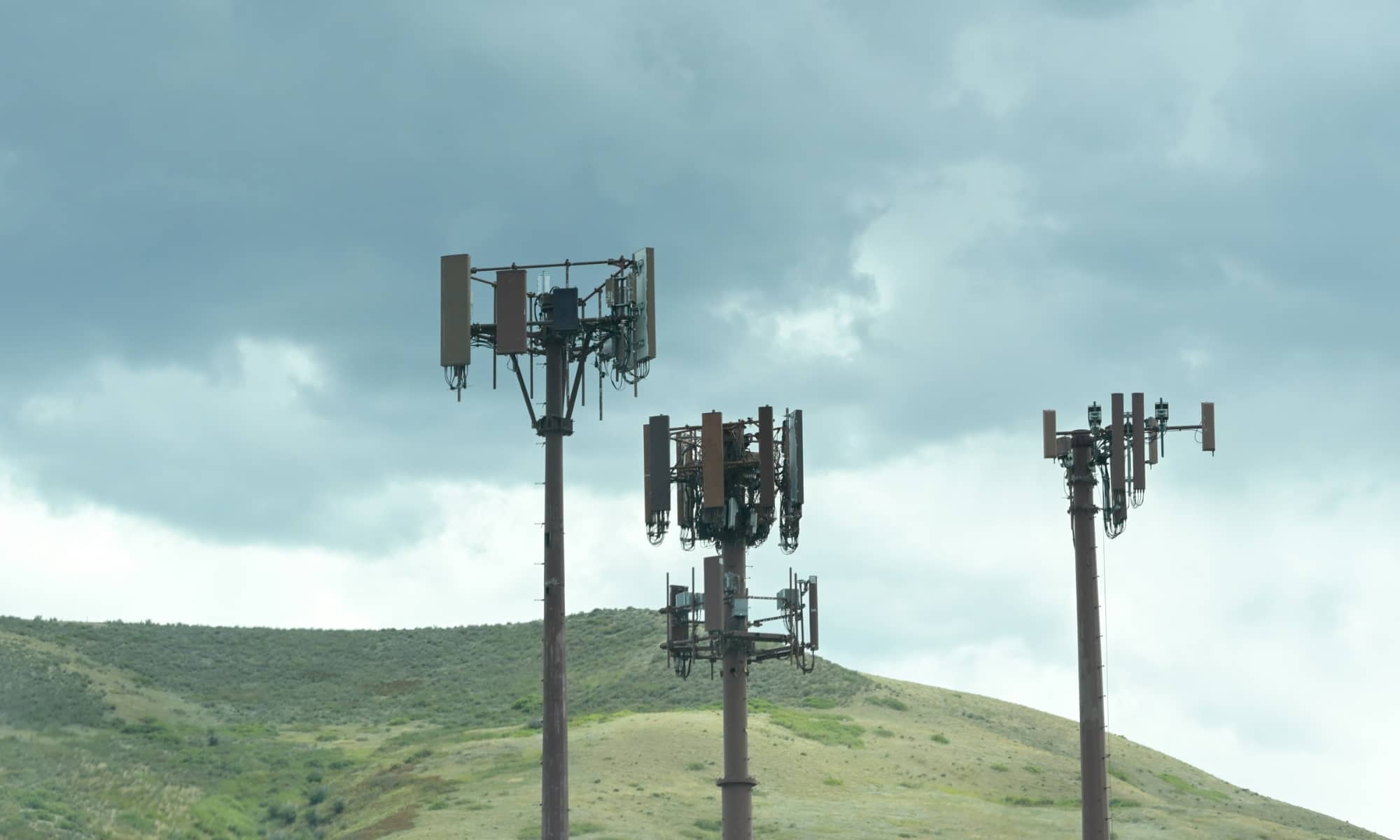
One possible hurdle to launch is Starlink’s ability to lease tower space across the country. This is no small undertaking. Analysts believe Starlink is still likely a few years away from launching an actual carrier service to consumers. Given the industry disruption, it’s unlikely it can expect much cooperation from Verizon, AT&T, or T-Mobile.
Nonetheless, the takeaway is simple. A Starlink carrier option isn’t just an idea anymore. Hopefully the new competition will drive down prices across the board. Apple’s suite of satellite services should be enough for users who only occasionally stray off the grid, especially if those features remain free. Time will tell. Is a Starlink phone next?