Apple’s Walled Garden Just Hit a Boomerang in Australia
Toggle Dark Mode
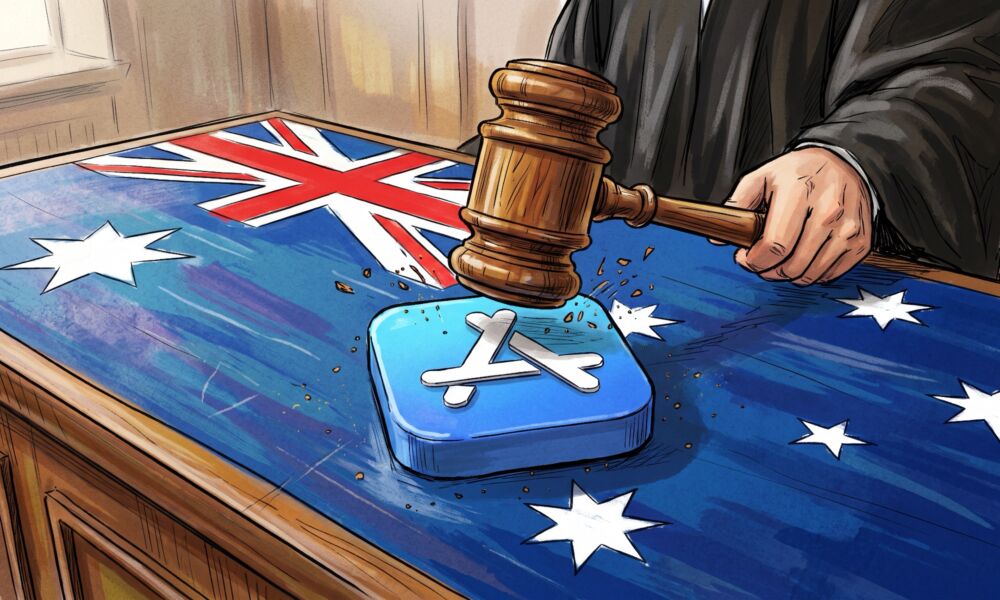
Australia’s Federal Court today ordered Apple to open up the iPhone to competing app stores, direct app downloads, and alternative payment services for Australian users. Plus, a massively popular game is finally returning to the Australian App Store as a result of the order.
The changes will take effect at noon Melbourne time on March 1, 2027, although Apple can apply between February 1 and February 15 for a court-approved extension until May 3.
The orders come following the court’s August 2025 ruling that Apple misused its market power by restricting app distribution and payment options for Australian users. The new orders cover apps used by Apple Account members based in the Australian region, including those distributed by Apple Developer Program members in other regions of the world.
Federal Court Justice Jonathan Beach found that both Apple and Google broke Australian law by misusing their market power in the way they run their respective app stores. The judge ruled that Apple engaged in conduct that prevented users from directly downloading or sideloading apps and stopped developers from offering alternative payment methods. Justice Beach also found at the time that Google breached the law with its Google Play billing system, although Epic and Google settled their separate Australian case earlier this year.
The New Rules

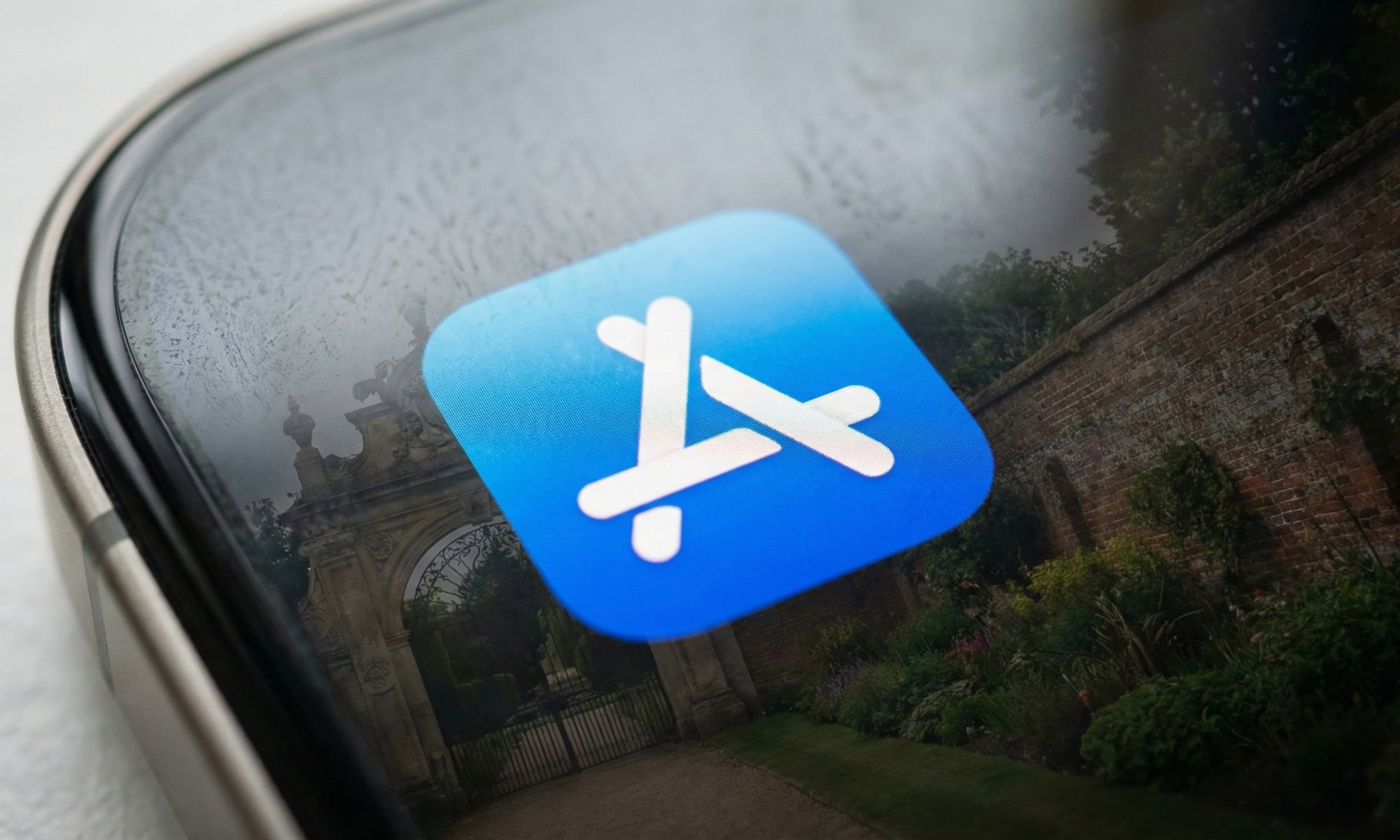
Apple must now allow users to discover, install, and update apps via third-party app store marketplaces and websites without charging for access or blocking their use. Apple must ensure those developers receive the necessary tools on essentially the same terms it offers for App Store distribution. Apple is also blocked from penalizing developers for offering their apps in competing marketplaces or using alternative payment methods.
Developers will be allowed to offer alternative payment methods and external links not only in the apps they distribute in third-party marketplaces but also in apps inside the official App Store. Apple can no longer force developers to include its own In-App Purchase system alongside third-party options, nor can it require them to report external transactions or open their books for an audit. Furthermore, Apple cannot block developers from offering lower prices through competing payment services.
Apple is also strictly limited in how it can collect commissions on these purchases. The Cupertino company cannot charge fees on purchases made through alternative payment services or websites within apps distributed via third-party marketplaces. For apps distributed via Apple’s App Store, fees will now be capped at the equivalent rate charged for physical goods or services, plus any genuine, reasonable additional costs Apple incurs for digital transactions.
Apple is also blocked from making alternative distribution conditional on developers offering content purchased elsewhere through its own payment system.
Apple’s security checks remain mostly in place: apps installed from outside the official App Store must still undergo automated security and privacy scans — and receive an official okay from either Apple or a qualified third party.
Apple is not allowed to erect unreasonable barriers to installation or otherwise restrict the alternative distribution methods. Developers must be provided with an explanation of security requirements for competing payment methods, and those requirements must be necessary and proportionate.
Apple will now only be allowed to remove or disable externally installed apps in specific cases involving genuine security risks, legal requirements, or harmful content. While it cannot ban third-party apps or alternative app stores from being preinstalled on iPhones, it does not have to make competing app marketplaces available directly inside the App Store.
As you might expect, Apple disagrees with the court’s decision and is already planning to appeal.
“We will request a stay and appeal the outcome to seek a resolution that respects our intellectual property and protects the safe, secure experience that consumers and developers expect from the App Store,” an Apple spokesperson told Reuters.
Fortnite to Return to App Store in Australia
Fortnite will return to Australia’s App Store today, Epic Games told Reuters, following a federal court order forcing Apple to allow Epic’s apps back onto the store.
Australia was left out of the fun when Fortnite returned to the US App Store in May 2025, as Epic was waiting for the court to finalize orders over Apple’s payment terms. The requirement to process Epic’s compliant submissions takes effect immediately, unlike the broader App Store changes that will occur in March 2027.