Firefox for iOS Finally Gets Built-In Ad Blocking

Toggle Dark Mode
While there are several alternative browsers available for the iPhone and iPad, they’ve mostly suffered from one glaring limitation: a lack of support for any kind of extensions. While Apple officially added Safari extensions in iOS 15, that’s ground where third-party browsers aren’t really allowed to tread.
That’s because — unless you live in Europe — all third-party browsers on the iPhone and iPad are still required to use the same WebKit engine as Safari. Minus the extensions, of course.
There are some great extensions for Safari that do all sorts of things, but chief among these are ad blockers. Safari gets these, Chrome and others do not. This means that if you wanted a nice ad-free surfing experience on your iPhone, you were pretty much stuck with Apple’s browser — at least among the mainstream options.
Firefox Has Entered the Building
This week, Mozilla officially announced it’s adding ad blocking to Firefox for iOS. The popular browser still doesn’t get extension support, so Mozilla’s engineers decided to bake the ad blocking right into the core browser.
Firefox is still tied to using WebKit, but it’s embraced Apple’s WebKit Content Blocker technology and integrated the EasyList filter list to determine what gets blocked. That lets it leapfrog Safari, as there’s no extension to install — just a toggle to turn on under Settings > Browsing > Ad Blocker.
Best of all, it’s entirely free, which is more than we can say for some of the Safari extensions that exist for this purpose.
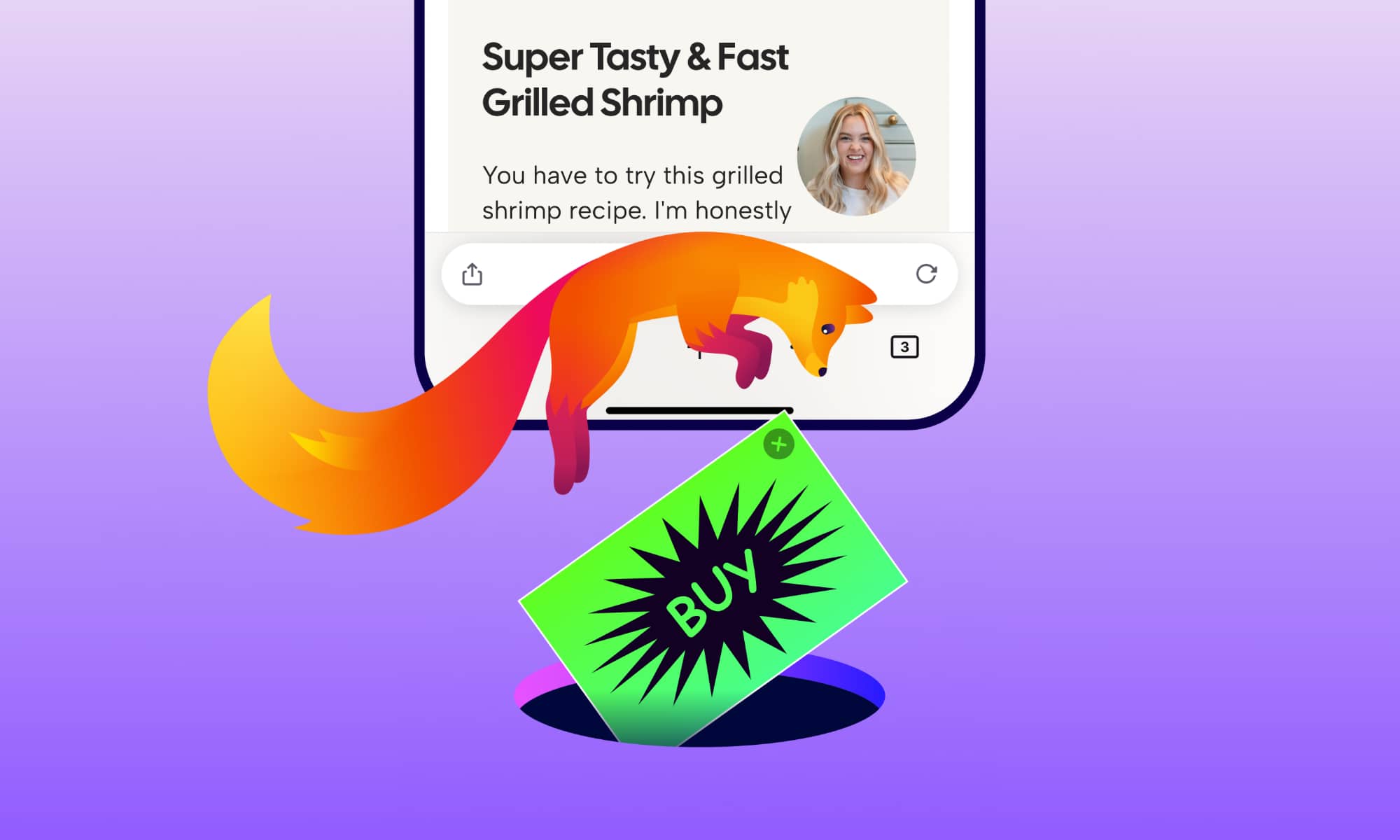
Ad blocking is still disabled by default in Firefox, so you’ll have to flip it on if you want to use it. However, it’s also possible to toggle it on a per-session basis, so you can easily block or allow ads for a single site or browsing session.
Mozilla is taking a slightly conservative approach to ad blocking here, noting that, “Ads served directly by the site you’re visiting and ads shown in search results will still appear.” It’s also not letting users opt out of sponsored content that’s shown by Firefox itself when you open a new tab, of course.
Giving people choice in how they experience the web is important to us. Advertising helps fund much of the open web, supporting the publishers, creators and websites people rely on. We also know that ads can sometimes crowd the screen or interrupt what you’re trying to do.
Mozilla
To be fair, Firefox isn’t the first browser to go down this road, but it’s definitely the most prominent. Brave, Vivaldi, and Opera have all offered built-in ad blocking for a while, but those are relatively niche options compared to the big four: Chrome, Safari, Edge, and Firefox. Still, Edge and Firefox have slid into a distant third and fourth among desktop browsers, and Firefox barely ranks at all among mobile browsers. Mozilla undoubtedly hopes this change will help it make a comeback on that front, which certainly seems plausible considering its steady popularity on the desktop.