OpenAI’s New Mac Plugin Reads Your Texts — And That Should Worry You
 mindea
Toggle Dark Mode
OpenAI has rolled out a new ChatGPT feature for its Mac app that’s both powerful and risky. A new Apple Messages plugin lets the ChatGPT Work app and code-generating tool, Codex, “search messages, catch up on conversations, draft and send replies.”
To use the tool, users will need to grant ChatGPT full access to Messages, including all stored conversations and all information in Contacts. It’s available as a plugin for all ChatGPT desktop app plans on Mac computers with Apple silicon.

Once installed and prompted, ChatGPT can dig through your text history and perform tasks like finding to-do items, checking meeting availability, and drafting replies.
By default, permission is required before actually sending a text. However, settings can be altered on a per-chat basis to allow sending without user review of the recipients or the contents of the message.
Although the plugin is only available on ChatGPT’s Mac app, the messages sent will still be visible on connected iPhones and iPads — though users can’t interact with the feature from secondary devices.
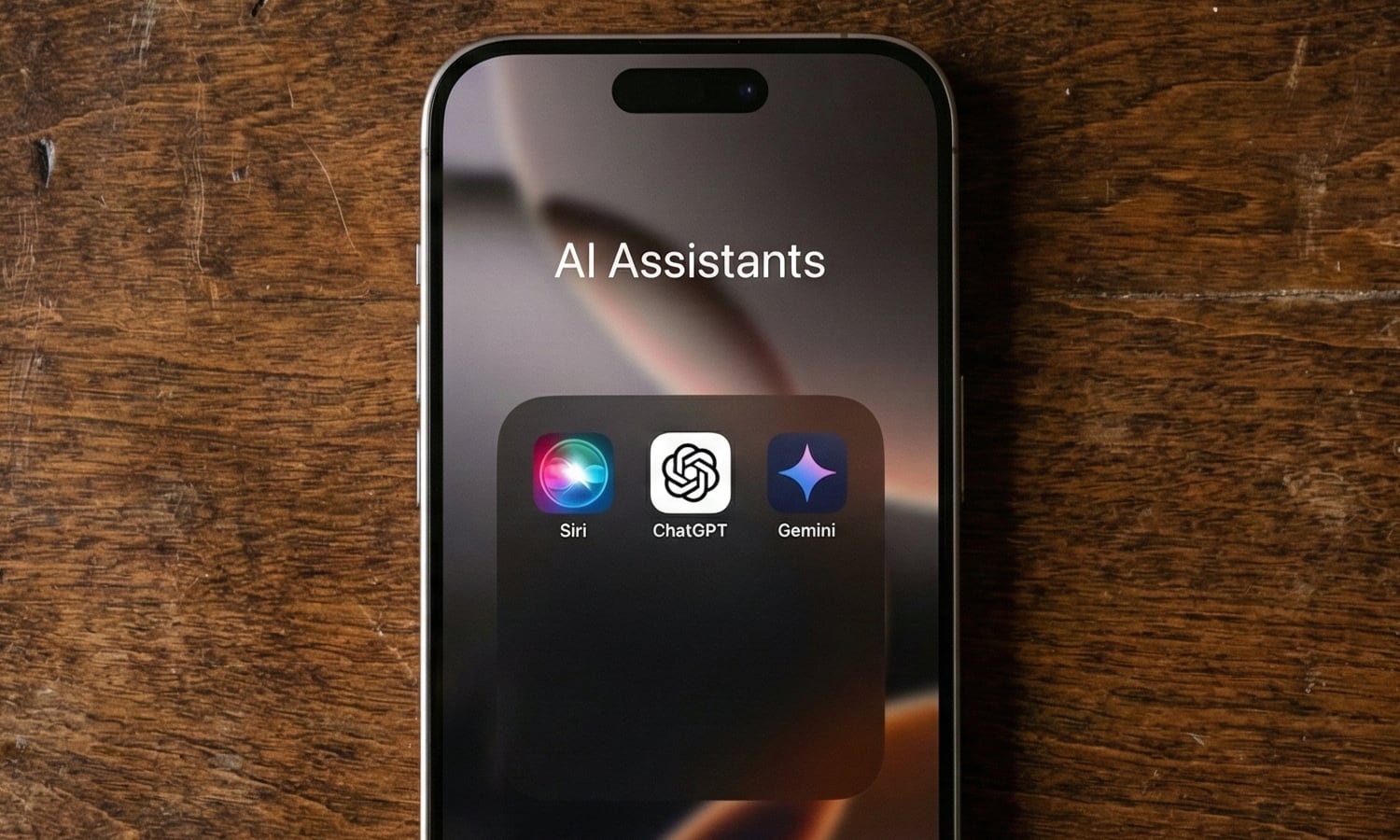
The plugin is designed to handle exactly the type of tasks people like to hand off. It’s like having a secretary and feels like a preview of the direction AI assistants are headed. Despite being genuinely useful, this convenience comes at the cost of real risk to both individuals and businesses.
If business owners and privacy-concerned users are worried, it’s justified. The Messages app contains some of the most personal information on your iPhone or Mac. Even though ChatGPT only accesses Messages when prompted, users are still handing over complete message history and contact details to OpenAI.
If a user’s ChatGPT account is compromised, an attacker could potentially access and send damaging and malicious messages to personal contacts, coworkers, and clients under that user’s name. At the same time, individuals and organizations are entrusting OpenAI with personal information, proprietary company data, and client data.
If something were to go wrong, the consequences would likely extend beyond a leak of user data to someone actually receiving a message from someone who didn’t write or send it. This type of harm can be far more difficult to remedy, especially when it comes to confidential business or client information.
Let’s face it, while AI is still in its infancy, it’s already well beyond just answering questions. It’s capable of acting on our behalf with our personal information if we allow it. Individuals and business owners would be wise to take the time to understand how these tools work and decide if the benefits are worth the potential exposure.
This isn’t to say AI should never access your personal information. Otherwise, you’d be missing out on the very real efficiencies AI tools provide. On-device applications could be the safer bet. Business owners will likely need to consult with their IT team and update employee AI training if they haven’t already.