
Apple’s Cheap RAM Strategy Hits a White House Wall
Toggle Dark Mode
As ongoing supply chain issues continue and Apple struggles to secure enough memory chips to assemble its Mac and iPhone lineups, US Commerce Secretary Howard Lutnick has urged Apple not to purchase Mac memory chips from Chinese suppliers.
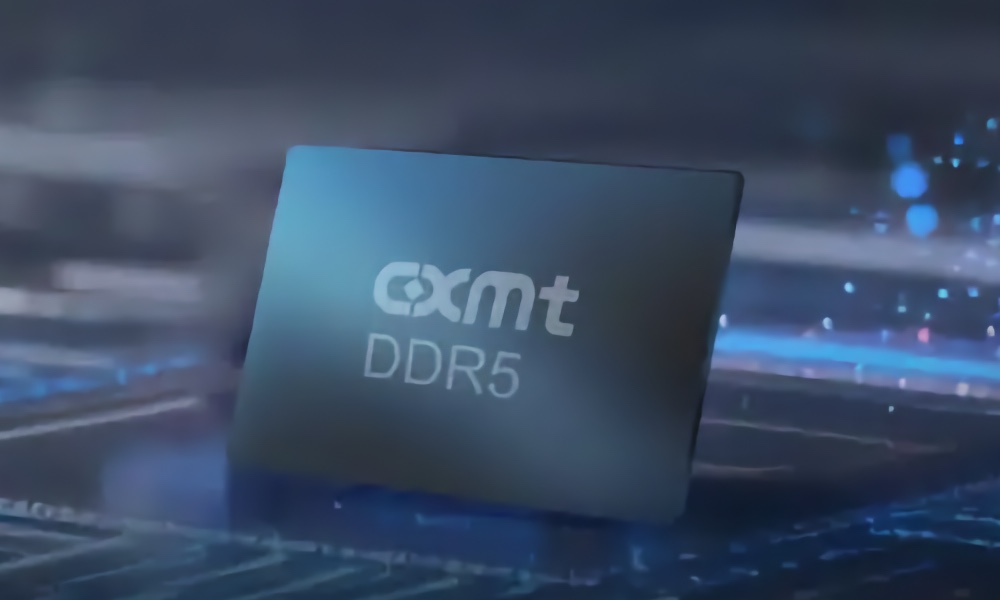
As we reported earlier this month, Apple has been testing memory chips from Chinese manufacturer CXMT as it struggles to improve memory chip supply for its devices. Unfortunately, the Chinese firm is on the Pentagon’s Chinese Military Company Blacklist, or 1260H list, which includes companies with connections to the People’s Liberation Army and could be considered a risk to US national security. That led to the most recent warning from the Trump administration, delivered by Secretary Lutnick.
According to The Wall Street Journal, Lutnick issued a mild warning to Apple following his tour of the new Apple Advanced Manufacturing Center in Houston. During comments to the media, Lutnick said, “The Trump administration is not in favor of that.”

Lutnick then commented there must be other ways to fix the problem, saying “It’s not great American companies using Chinese memory.”
When asked if the message was directed at Apple, Lutnick curtly stated, “Plainly.”
It should be noted that the Pentagon blacklist doesn’t explicitly prohibit Apple from dealing with CXMT, especially since, as far as we can tell, the Cupertino company doesn’t plan to use the chips in devices destined for US store shelves. However, the Defense Department is not allowed to make agreements with companies on the list, nor use products or services from third parties that use components from those companies.
Plus, Apple would undoubtedly prefer to not anger the Trump administration, whose favorite economic weapon these days is tariffs.
There are also whispers that CXMT could be placed on the “Entity List,” blocking all trade with the company completely. If Apple went ahead and signed a deal with CXMT and it is then placed on the enemies — um, excuse me the “Entity List” — Apple would be back at square one when it comes to securing memory for its devices.
Apple formally asked the Trump administration for permission to buy Mac RAM chips from CXMT back on June 27. Since that request, Apple has obtained a test supply of chips from the Chinese company and has been testing them.
Executives from Idaho-based Micron Technology have also raised concerns with the White House that allowing Chinese chipmakers to sell to US tech companies could “destroy the domestic industry.”
Micron, the parent company behind the better-known consumer memory brand, Crucial, is the largest memory manufacturer in the United States, making DRAM, high-bandwidth memory (HBM), NAND flash chips, and SSDs.
That gives it a bit of clout with the administration, and also explains why company executives would be nervous about a possible Chinese incursion into their market.
In June, Republican chair of the House China Committee, John Moolenaar said it would be a “grave mistake” for Apple to make the deal.
As pointed out by Mactrast, a bipartisan group of US senators sent Apple a letter in July urging it to walk away from any possible deal with the Chinese memory maker.
Also working against Apple is CXMT’s refusal of a demand from the device maker for a discount. The memory manufacturer is holding out for the same amount of money that Apple pays Samsung for similar memory. The lack of any discount reduces much of the benefit of securing a new memory supply from the company.
Apple can try to use fairness as leverage with the US government to obtain approval for the memory purchases, as on August 10 it was revealed that rival hardware makers Acer and HP both already use CXMT memory chips in hardware destined for store shelves outside of the United States. While it hasn’t been determined whether either company obtained permission before obtaining the chips, both have done so without being hit by any penalties from the current administration.






