Apple Squeezes OLED Suppliers to Dodge iPhone 18 Price Hikes
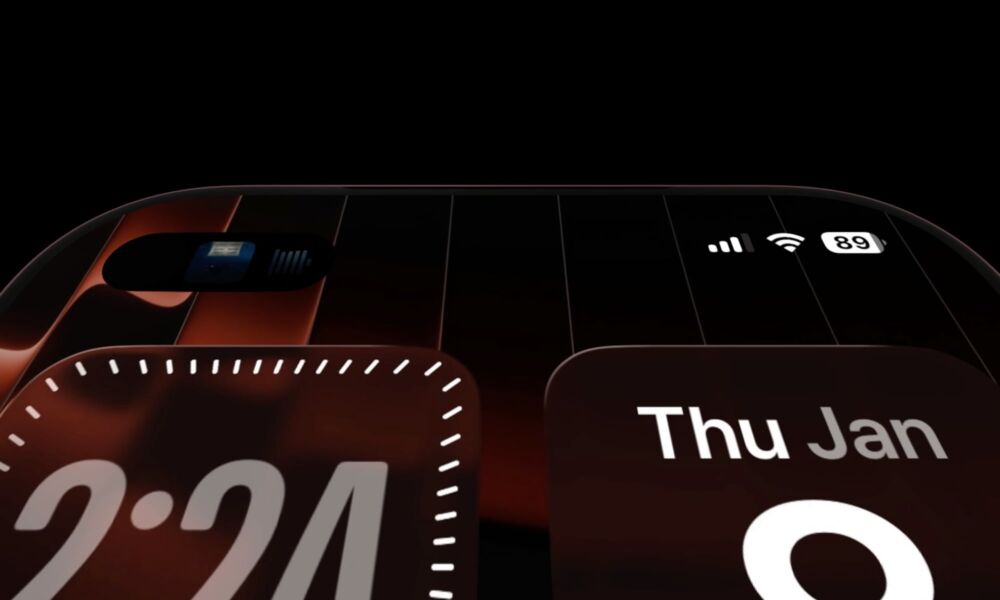 FrontPageTech / YouTube
Toggle Dark Mode
As memory costs skyrocket, Apple is reportedly looking for other areas where it can reduce costs for this year’s iPhone 18 Pro models to avoid hitting customers with massive price hikes.
According to South Korea’s The Elec, Apple is “demanding steep price cuts” from companies like Samsung Display and LG Display, both of which supply OLED panels for the iPhone. Although nobody wanted to name Apple on the record, executives from both companies acknowledged that they’re being pressed by their customers, with Samsung Display President Lee Cheong noting “very strong pressure is coming in to lower component and display prices.”
Market research suggests that Samsung Display will supply 46 million OLED panels for the iPhone 18 lineup this year, 26 million of which will be specifically for the iPhone 18 Pro Max. LG Display will supply roughly 41 million panels overall, with 21 million of those destined for Apple’s largest flagship.
That kind of volume gives Apple the leverage to squeeze these suppliers for lower prices, forcing them to outbid each other to stay competitive and keep Apple’s business. Industry sources report that Apple set a maximum price of $70 per panel for the iPhone 18 Pro Max — down from the $80 range it paid for the iPhone 17 Pro Max displays — and by the time the dust settled, Samsung and LG had come in at around $66.50.
Some of this may be the result of normal year-over-year price reductions — Apple reportedly paid over $100 for the iPhone 16 Pro Max panels — but it’s notable that Apple isn’t cutting any corners here. The iPhone 18 Pro Max is expected to use the latest “M16” organic material set, which provides better lifespan, efficiency, brightness, and color.
Sharpening the Pencil
Last month, Apple issued a round of unprecedented price hikes that encompassed nearly all of its products, citing the much higher costs of memory and storage. Only the iPhone, Apple Watch, and AirPods escaped these initial increases, but it’s a safe bet that those have merely been delayed.
Although the AirPods could be immune since they don’t use any of the impacted chips, the iPhone 18 Pro and iPhone 18 Pro Max very much rely on both DRAM and NAND storage. Industry analysts have predicted price hikes for those flagships that could exceed $300, with some citing a $1,600 potential starting price for the iPhone 18 Pro Max.
That’s very much a worst-case scenario, of course, and Apple is undoubtedly still doing everything it can to shield its customers from what CEO Tim Cook has called “a hundred-year flood” in the supply chain.
At one time, Apple had the leverage to put the same pressure on memory chip suppliers that it’s now bringing to bear on Samsung Display and LG Display for OLED panels. However, the landscape has changed, forcing the iPhone maker to compete against deep-pocketed AI hyperscalers for high-performance DRAM and NAND chips, leaving it out of options for cutting costs on that side.
Thankfully, AI companies don’t seem to care nearly as much about other components like OLED panels, so hopefully Apple’s ability to use its bargaining power with those suppliers will keep iPhone prices from launching into the stratosphere.
[The information provided in this article has NOT been confirmed by Apple and may be speculation. Provided details may not be factual. Take all rumors, tech or otherwise, with a grain of salt.]