The Kremlin Is Threatening to Quit Apple (Again) Over Missing VK Apps
 Sasa Dzambic Photography / Shutterstock
Toggle Dark Mode
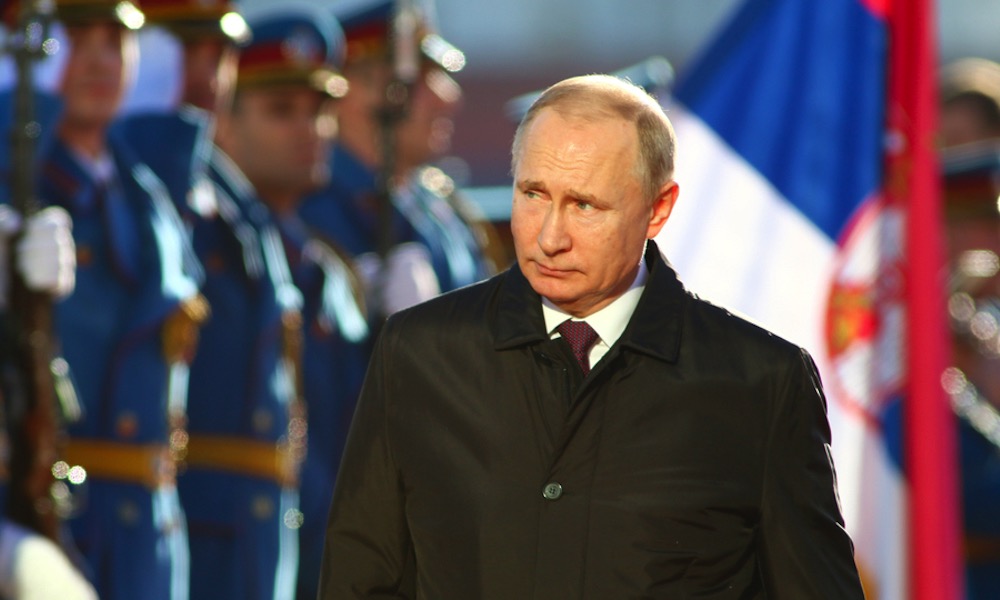
Russian government officials are demanding an explanation as to why a number of apps related to internet and technology company VK have been removed from the App Store without “any warning or explanation” as to why they were removed.
The Kremlin’s demand for an explanation comes following VK’s complaints about the removal, which it considers “unjustified and unacceptable.” Apps removed by Apple include social media, video platforms, and messaging apps.
‘We’ll Be In Touch…’
Reuters reports that Kremlin spokesperson Dmitry Peskov warned that the relevant Russian authorities would “address the matter directly with the corporation itself and demand an explanation.”
“If such explanations are not provided, we will need to draw conclusions accordingly regarding the continuation of any cooperation with this company,” he said.
Peskov warned that unless explanations were forthcoming, Russia may drop its cooperation with Apple as a whole. Peskov added that any Russians frustrated by Apple’s decision could switch to Android devices. Google’s device platform still offers VK’s apps in its Google Play Store.
Apple did not immediately respond to a request for comment from the publication, and it’s currently unknown why the apps were removed.
Why Is the Kremlin REALLY Upset?
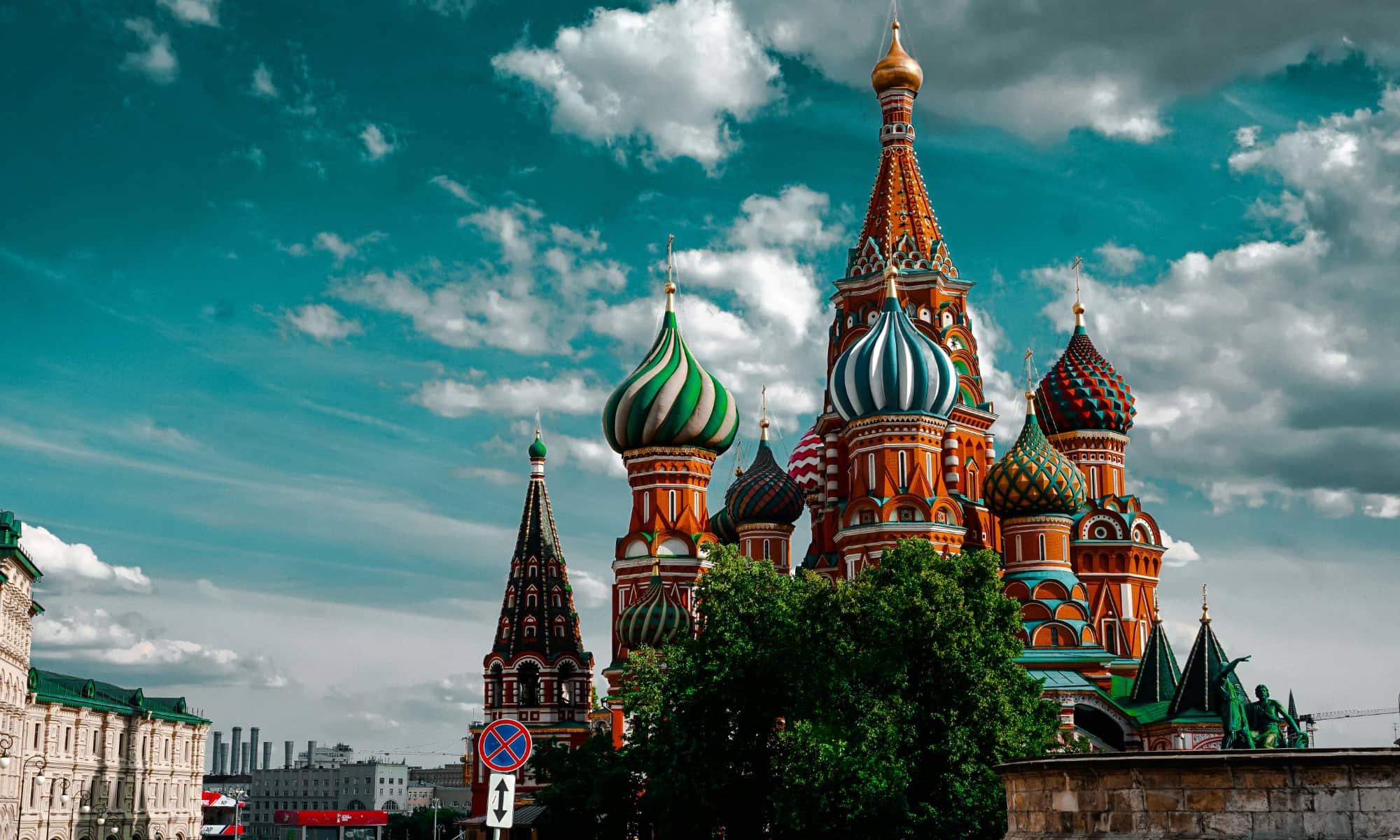
The Kremlin is likely less worried about being fair to Russian users, and more likely concerned that all of the apps taken from the App Store are government-approved (which never means anything good). According to Reuters, the Kremlin has been encouraging Russians to use MAX, a state-approved messaging platform developed by VK. The app comes preinstalled on all smartphones and tablets sold inside Russian borders.
Does Apple Still Sell iPhones in Russia?
It should be noted that Apple hasn’t officially sold its iPhones in Russia since March 2022, as the country has clamped down on the use of foreign technology by its citizens, ever since its invasion of Ukraine and ensuing war.
That means that all new iPhones bought in Russia today are sold via grey and black markets, meaning the devices do not come with the MAX messaging app preinstalled. While Apple initially caved to Russian demands to preinstall apps in 2021, the iPhone was pulled from sale in the country before the state launched MAX.
The loss of the Russian market was never a big deal to Apple, as sales inside Russian borders accounted for only a bit more than 1% of the Cupertino firm’s global sales.
Isn’t This a Bit of a Switch?
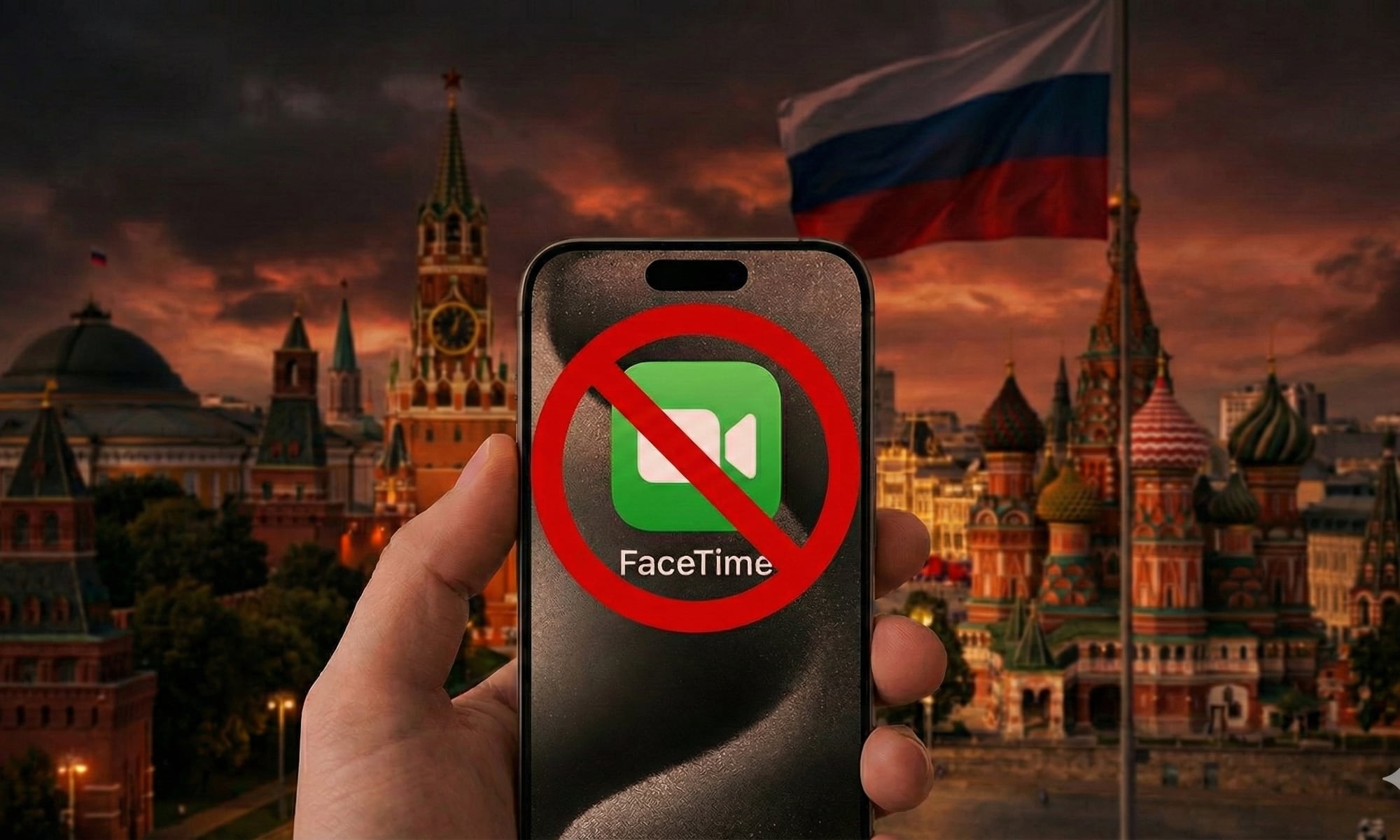
This argument has been played out before between Apple and the Kremlin, but usually with the roles being reversed. In December 2025, iDrop News reported that Russian authorities had ordered FaceTime blocked in the country, claiming that Apple’s service was being used for criminal activity. The Kremlin had already restricted YouTube, WhatsApp, and Telegram, after making similar allegations against those messaging platforms. The restriction came following the launch of the Russian government’s own rival app, the previously mentioned MAX.
Critics at the time opined that Russian authorities were banning foreign apps to nudge users to the government-run communications app, which would open the door to government surveillance. The state media, of course, dismissed that narrative as false.
In November 2024, Russia’s state media regulator forced Apple to remove the US-funded Radio Free Europe/Radio Liberty (RFE/RL) news app from the Russian App Store. That app’s removal came less than a month after Apple removed Current Time, an app from the independent media service and website also run by the same organization.
RFE/RL is a non-profit organization funded by the United States Congress. Russia reportedly placed the organization on a list of “undesirable organizations” in February 2024.