The iPhone Air Isn’t Dead — It’s Just Moving to the Spring
 Georgiy Lyamin
Toggle Dark Mode
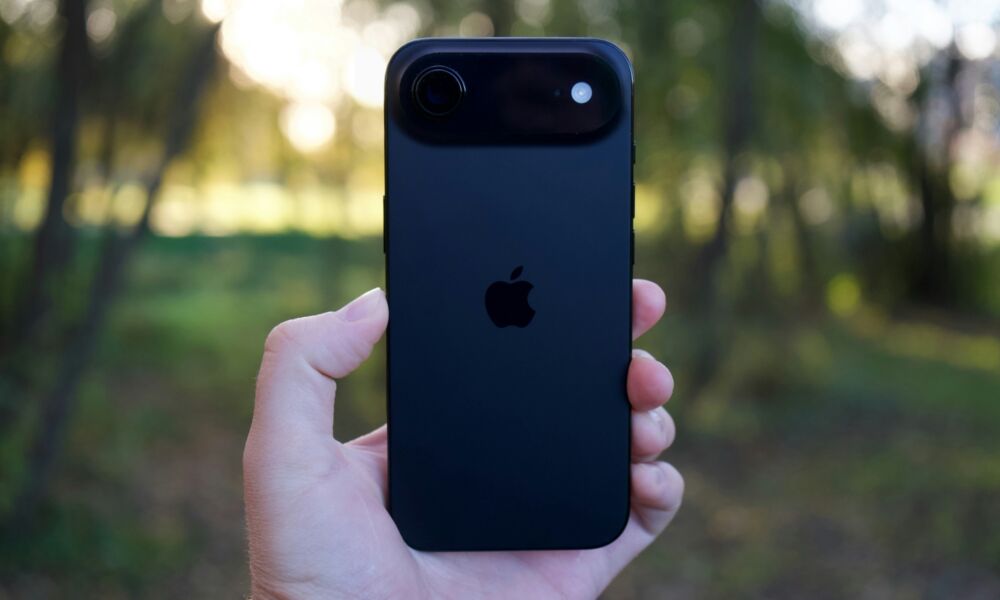
There’s been so much buzz around the expected foldable iPhone that it was beginning to feel like the rumor mill had all but forgotten Apple’s other significant new addition to the lineup — the iPhone Air. However, a new report from Bloomberg’s Mark Gurman has put the successor to Apple’s thinnest iPhone ever back on the table with an estimated timeline and more of what we can expect.
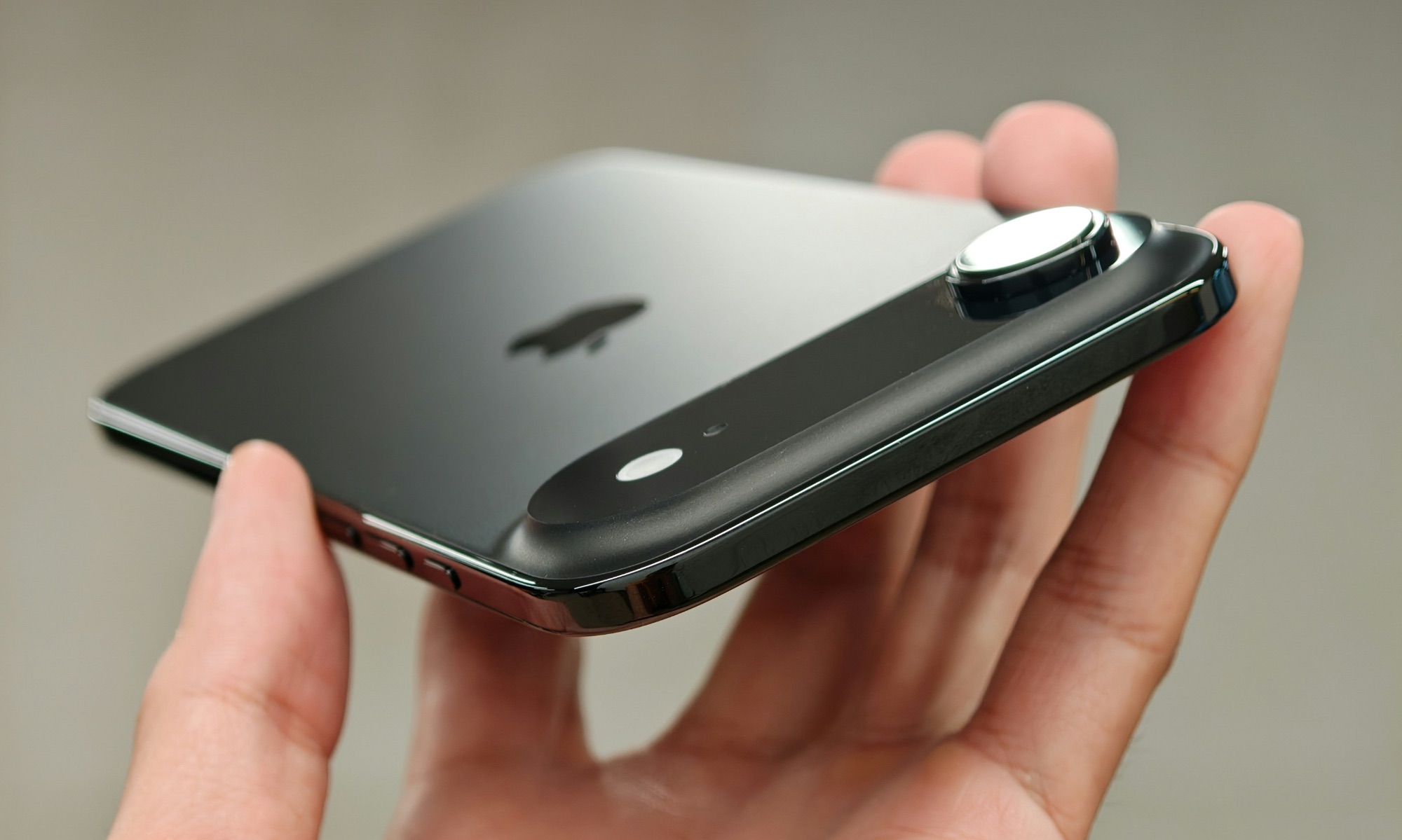
It’s somewhat ironic that news around the iPhone Air has quieted down so much, since many believe it quite literally inspired half of Apple’s upcoming “iPhone Fold” (or “iPhone Ultra,” if you prefer, although nobody outside of Apple truly knows what the company will actually call it yet). Coming in at only 5.6 mm thick, the iPhone Air was a big step ahead in design — and it wasn’t long before people began drawing the logical connection on how two iPhone Air devices placed face-to-face looked remarkably like a foldable iPhone.

Unfortunately, that also led to speculation that this was merely a proof-of-concept device, and that the ultra-svelte iPhone model would have a very short lifespan once Apple managed to deliver its first foldable. The fact that Apple had avoided numbering the iPhone Air led to speculation that it might follow a different release cycle akin to the iPhone SE models of yesteryear. Gurman reiterated this idea, saying Apple “didn’t want to tie the product to an annual release schedule.”
Reports of lackluster sales for the iPhone Air also contributed to this notion, suggesting it might follow the path into obscurity that had been blazed by the iPhone mini. If that were the case, then perhaps Gurman was right in saying that Apple was merely testing the waters with the new device and using it as a “technology exercise” for the foldable iPhone. Still, analysts disagreed on whether Apple was frantically cutting production or simply making scheduled adjustments for a device it never expected to sell many of in the first place.
At the same time, other leakers insisted last fall that Apple was already working on a second-generation model with a second rear camera, and while some of those initially pegged that for a fall 2026 release, The Information suggested Apple was delaying the next iPhone Air until 2027 to give it time to not only add a second camera, but also vapor chamber cooling and improved battery life.
These details aligned with other reports by the usual crowd of Weibo-based leakers in everything but the timing. Initially, some predicted that Apple might still release a modest 2026 refresh, followed by a bigger update in 2027, but that never seemed likely when Apple hadn’t really committed to an annual release cycle.
One theory was that the iPhone Air and “iPhone Fold” would be placed on two-year cycles, updated in alternate years. However, as early as the spring of 2025 — months before the iPhone Air and iPhone 17 lineup even debuted — we’d already begun seeing reports that Apple might split up the following year’s iPhone 18 releases. In the months following, additional supply chain reports effectively confirmed that, and with Apple’s September event about three months away and no word of a standard iPhone 18 in production, it’s a given that this fall’s launch will be limited to the iPhone 18 Pro, iPhone 18 Pro Max, and iPhone Fold.
That means no “iPhone Air 2,” but that’s hardly surprising. As soon as it became apparent that the iPhone 18 was going to move to the spring to debut alongside Apple’s next budget e-series model, the iPhone 18e, it also seemed like an ideal opportunity for the iPhone Air to join that party.
The separation makes logical sense, placing the “power user” models — the iPhone Pro and foldable iPhone — launching in the fall, while the more consumer-focused models for budget, everyday use, and luxury, land in the spring.
What to Expect from the ‘iPhone Air 2’

Today’s Bloomberg report doesn’t add any meaningful new details that we haven’t been hearing for months. Even the codename Gurman mentions, V62, was part of a big product roadmap leak in December.
The specs remain the same as we’ve heard before: a near-identical design with a second rear Ultra Wide camera that will put it on equal footing with the standard iPhone model, plus improved battery life.
Apple sees the camera system and battery life as two of the biggest opportunities for improving the Air. The limited abilities of the current single-lens camera have drawn the most customer complaints, according to the people.
Mark Gurman
However, it will continue to set itself apart from the lower-priced models by sporting a more powerful “Pro” chip — expected to be more or less the same A20 Pro chip that’s going into this year’s iPhone 18 Pro models.
While the iPhone Air may continue to be a niche device, Apple isn’t afraid to cater to that niche — and this time it’s more than just a smaller or larger version of its standard iPhone. As Gurman points out, incoming CEO John Ternus has said that the iPhone Air “helps differentiate the company’s offerings.”
[The information provided in this article has NOT been confirmed by Apple and may be speculation. Provided details may not be factual. Take all rumors, tech or otherwise, with a grain of salt.]