
macOS 27 to Evict the Last of the Legacy Macs
 Marques Brownlee / YouTube
Toggle Dark Mode
While nearly all of the attention is on iOS 27 for next month’s big Worldwide Developers Conference (WWDC) reveal, it will be far from the only major software update Apple will unveil during the keynote. We’re also anticipating iPadOS, macOS, watchOS, tvOS, and visionOS — now all conveniently sharing the same number 27, thanks to Apple’s decision last year to align software versions with automaker-style “model” years.
We’ll undoubtedly see macOS 27 benefit from most of the same AI improvements coming to the iPhone, including Grammarly-style Writing Tools, higher quality results in Image Playground, and a smarter Siri voice assistant.

However, the jury is still out on whether the rumoured standalone Siri chatbot app will also come to the Mac, and beyond the AI stuff, we actually haven’t heard much about any Mac-specific features beyond some vague notions of a refined Liquid Glass interface (sorry, Sequoia fans, Apple isn’t going back to the old ways). In fact, we haven’t even heard any solid rumors about what Apple plans to call the new version of macOS.
From 2001 until 2012, Apple’s Mac operating system, then known mostly as “Mac OS X,” carried feline names, ranging from Cheetah to Mountain Lion, the latter of which corresponded to the year that Apple dropped the “Mac” prefix from OS X. By 2013, the company had presumably run out of cat names, so it shifted to California landmarks, beginning with Mavericks and Yosemite.
In 2016, OS X became “macOS” with Sierra, however it retained its version 10 number until 2020, when Apple finally moved the needle ahead a full notch with macOS 11 Big Sur. Since then, we’ve had full version number increases through Monterey, Ventura, Sonoma, and Sequoia, culminating in last year’s jump to macOS 26, with the name Tahoe likely selected at least partly to reflect the transition to Liquid Glass.
However, the name of macOS 27 remains a mystery at this stage. While we rarely have any certainty as to what name Apple will pick until it takes the stage at WWDC, there are usually some solid rumors and educated speculation. That hasn’t happened this year, perhaps because everyone is so razor-focused on Apple Intelligence and Siri.
Nevertheless, there’s one thing we do know about macOS 27: at least four Macs are guaranteed to be left behind on macOS 26.
Farewell, Intel
That’s not just idle speculation or rumors. In this case, Apple already told us about it last yearduring its Platforms State of the Union at WWDC 2025 when it announced macOS 26 was the end of the line for Intel Macs.
macOS Tahoe will be the last release for Intel-based Mac computers. Those systems will continue to receive security updates for 3 years.
Apple
Realistically, the Intel support list for macOS 26 is already remarkably short. It’s confined to the 2020 MacBook Pro, the 2020 iMac, the 2019 16-inch MacBook Pro, and the 2019 Mac Pro.
The one thing those four Macs have in common is that they were the few to survive into the Apple silicon era. When Apple rolled out the M1-equipped MacBook Air, 13-inch MacBook Pro, and Mac mini in the fall of 2020, it also kept selling the Intel-based MacBook Pro models for those who needed higher end configurations with more ports and RAM. Viable replacements for those didn’t come along until a year later when the more powerful M1 Pro and M1 Max chips were ready.
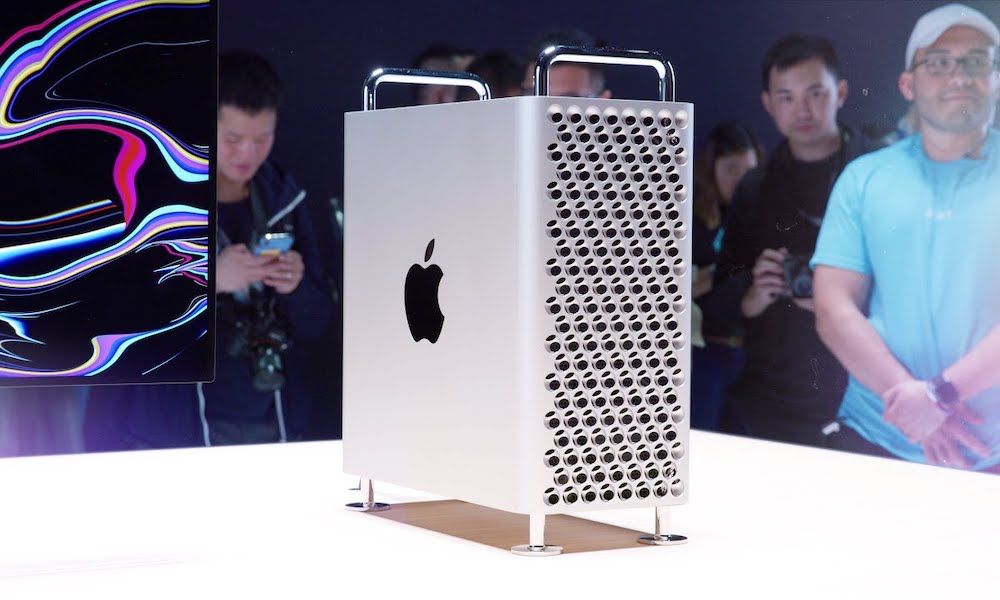
The 27-inch Intel iMac lasted even longer, sticking around until the Mac Studio and Apple Studio Display came along to replace it in early 2022. At that point, Apple quietly discontinued it, later confirming that there would never be another 27-inch iMac. Finally, the Intel Mac Pro was put out to pasture in 2023 when the M2 Ultra version showed up to replace it. However, that was a similarly short-lived initiative, as the Mac Studio offered identical performance at a fraction of the size and cost. After nearly three years with no updates, Apple finally toppled the tower and retired the Mac Pro earlier this year.
This means that macOS 27 will be the first release to be distributed solely for Apple silicon, as it no longer needs to support legacy Intel chips. However, the good news is that Apple isn’t retiring Intel apps just yet. It’s putting them on notice in macOS 26.4 — and will undoubtedly provide even stronger warnings in macOS 27 — but you’ll be able to run them on your Apple silicon Macs until next year, when macOS 28 votes Rosetta 2 off the island, eliminating the last ties to Intel silicon. That’s kind of ironic considering Intel is slated to start making chips for Apple again, but those will be Apple chips that are simply being fabricated by Intel’s foundries, which goes to show just how far we’ve come.






