
Google Tells Appeals Court Its $20B Safari Deal Was Won ‘Fair and Square’
 Solen Feyissa
Toggle Dark Mode
Google is appealing a 2024 ruling that found it ran afoul of US antitrust law by paying Apple billions of dollars to be the default Safari search engine on iPhones, iPads, and Macs.
In the original ruling, US federal judge Amit Mehta determined that Google’s search and advertising monopoly contravened federal antitrust statutes. The case had been brought against Google by the US Department of Justice nearly four years previously.
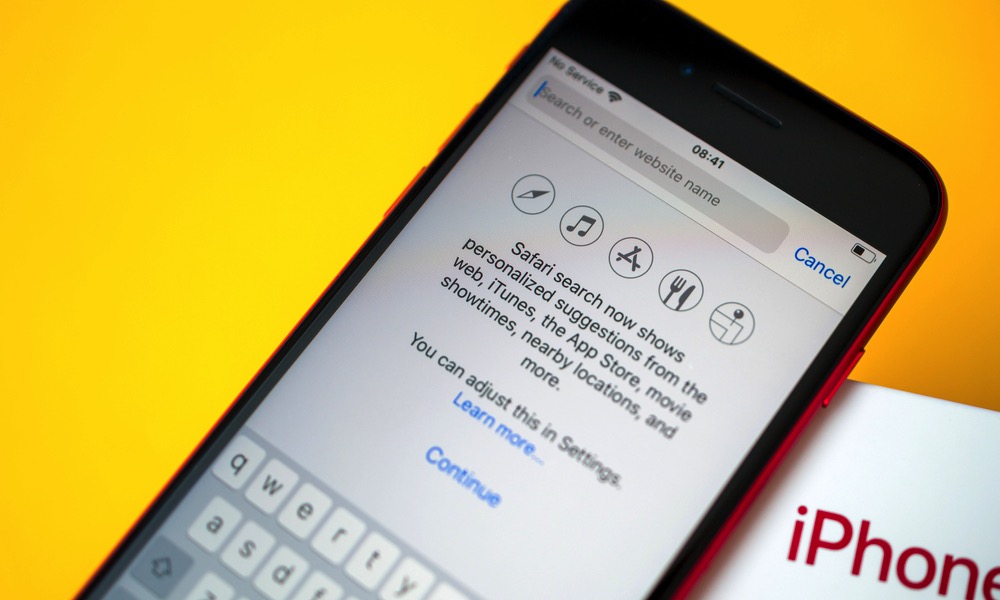
One of the core elements of the ten-week trial held in a Washington, DC, District Court revolved around whether Apple’s multi-billion-dollar search deal with Google equaled anti-competitive behavior. Google pays Apple approximately $20 billion per year to be the default search engine in the Safari browser.
The deal isn’t quite as lucrative for Google on macOS, where many users open Safari solely to download Chrome. However, because the vast majority of iPhone and iPad users stick with the default Safari browser, Apple’s mobile ecosystem remains an absolute goldmine for Google’s search engine.
In Friday’s appeal filing with the US Court of Appeals for the DC Circuit, Google said the district court had made an error when it ruled that Google’s search success was due to anything other than being better than its search rivals.
Google claims it beat out its search competitors thanks to its ability to innovate, invest, and “just working harder” — and that’s why Apple chose it as its default Safari search engine, not the billions of dollars that the iPhone maker receives from the search giant.
Whether or not Google has monopoly power, Google did nothing that “harm[ed] the competitive process.” It did not impede its rivals’ opportunity to make — or Apple’s and Mozilla’s ability to choose — a better offer. Indeed, there is no finding — or even any evidence — that Google’s customers would have chosen a rival, even in the absence of the challenged agreements. Google just prevailed in the marketplace fair and square.
The filing suggests Apple was free to distribute and promote rival search engines, pointing out the alternative browser options offered in the Safari browser’s settings. Google also claims that any “exclusivity” was due to Apple’s choice, which was made for “sound business reasons.”
Google is asking the appeals court to reverse the measures put in place to resolve its search monopoly. Google had been ordered to share its search data, provide information on user interaction, and also offer its results to competing search companies. So far, Google hasn’t yet been forced to do any of the above, until an appeal ruling has been made.
In addition to wanting the entire 2024 ruling to be tossed out of court, Google is also asking that AI companies like OpenAI be excluded from receiving data. The search giant points out that AI products “did not even exist” during the period before the DOJ’s filing, meaning that it makes no sense for AI firms to receive search data. Google argues that AI companies are “already succeeding as wildly as any technology in human history without any need to free-ride on Google’s success.”
While Google’s multi-billion-dollar deal with Apple to be the default Safari search engine was a major focus in the antitrust filing by the US DOJ, the court did not block Google from continuing to make search agreements. This means Google is still allowed to pay Apple to be a search engine option in Safari.
The DOJ had also asked that Google be forced to sell its Chrome browser, and maybe even its Android smartphone operating system, but Judge Amit Mehta did not implement either of those asks.
For its part, Apple has always claimed that Google is simply the best option for its customers — at least, that’s what Apple Senior Vice President Eddy Cue told the court in fall 2023. However, considering that the deal also gives Apple 36% of Google’s ad revenue from searches performed in Safari, that is more likely the reason why Google remains Apple’s preference.
Oral arguments for Google’s appeal haven’t been scheduled, so we likely won’t hear more about the appeal until later this year or even early 2027.






