The Battle for Your iCloud Data: US Lawmakers Confront the UK
Toggle Dark Mode
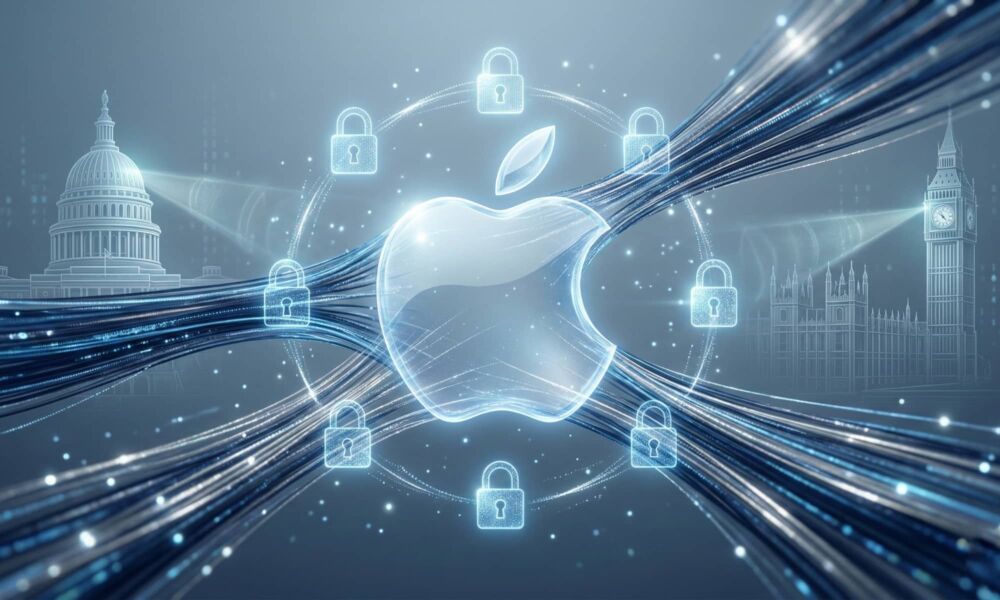
Lawmakers in the United States are pushing for a briefing from UK officials about that government’s continued efforts in pressuring Apple to provide a backdoor to iCloud users’ private data.
Apple’s privacy-first approach to protecting user data has long been a sore spot for global governments in search of a way to better monitor their citizens’ online activities. Law enforcement and intelligence officials in the US and UK governments have long pushed Apple to provide methods by which they can access data stored on users’ iPhones and iCloud accounts, with US lawmakers accusing Apple of providing “a safe haven for criminals.”
Apple has been mostly successful in rejecting such efforts, and in recent years has successfully pushed back on FBI requests for a backdoor, while also rejecting similar requests from UK officials.
Now, Reuters reports that US lawmakers are getting up on their white horse, demanding more information about the UK’s unquenchable thirst for Apple users’ iCloud data.
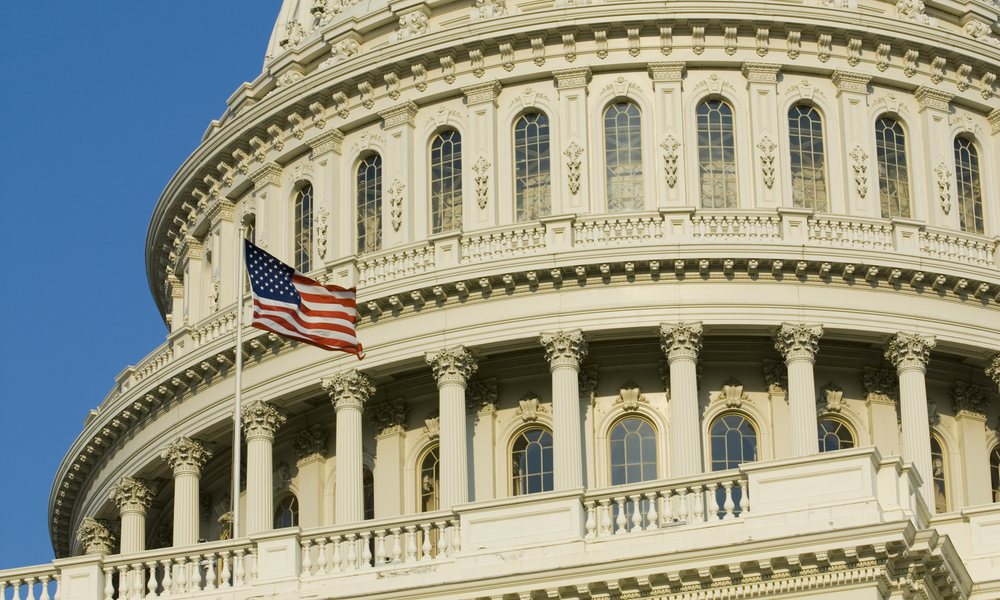
On Wednesday, US House Judiciary Chair Jim Jordan and Foreign Affairs Chair Brian Mast requested that the UK government hold a briefing about its planned iCloud encryption backdoor. The duo says there is a need for public awareness on the matter.
Jordan and Mast expressed concerns about the UK’s efforts, repeating the same claims Apple has used with the US government in the past, indicating that such an encryption backdoor could allow hackers and authoritarian governments to access users’ iCloud data. For those who have enrolled in the Advanced Data Protection feature that Apple introduced in early 2023, nearly everything stored in iCloud is encrypted end-to-end, meaning only users have the key to decrypt their data. Not even Apple has access to its customers’ iCloud data.
In a letter to Shabana Mahmood, Britain’s secretary of state for the Home Department, Jordan and Mast say a briefing is necessary to allow US lawmakers to “fully understand the actions taken by the UK government with respect to the TCN issued to Apple.” The pair say this would allow there to be a “mature and informed public debate.”
“We respectfully ask that the Home Office and UK Embassy to the United States arrange for the briefing to occur as soon as possible, but no later than 10:00 a.m. ET on March 11, 2026,” continued the letter.
A TCN refers to a “technical capability notice” — a secret document issued by the UK government that requires companies like Apple to comply while also forbidding them from even publicly acknowledging a notice was received, much less what it contains. This is the top-secret document that Apple was reportedly given sometime in late 2024 or early 2025 demanding it provide unfettered access to all iCloud user data worldwide, but we only know about it because a whistleblower leaked it to The Washington Post early last year.

While Apple was allowed to fight this TCN, it could only do so in secret UK courts, leaving many with the impression that the outcome of any appeals was already predetermined. The best it could do publicly was turning off Advanced Data protection for UK users. That was undoubtedly a strategic move to signal the gag order to the tech community without facing the criminal penalties for disclosing a TCN.
The UK seemingly backed down in the face of US pressure last year after legislators pushed national intelligence director Tulsi Gabbard to get involved. Gabbard expressed “great concern” that the US wasn’t informed about the UK’s secret order, since it would have given British officials the ability to spy on US citizens in a clear violation of the intelligence treaties between the two countries.
In August 2025, Gabbard posted on social media that the UK had “agreed to drop its mandate” for Apple to provide a back door into “the protected encrypted data of American citizens.” Unsurprisingly, the UK Home Office never publicly acknowledged this, since that would have required admitting that such an order existed in the first place; however, insiders told the Financial Times that the UK had “caved” to US pressure, but that it wasn’t backing down on its push for access to British citizens’ data, reportedly issuing a new TCN demanding the same level of access to iCloud data as the original while limiting the scope to its own citizens.
While some might argue that the US now has less standing to get involved in what now seems to be an internal matter between the UK government and its citizens, Apple is a US-based company, so this issue still falls under the provisions of the US-UK CLOUD Act Agreement, which prohibits one country from forcing a company in the other to decrypt data.