The iPhone 17 Pro Has a Baffling Camera Downgrade
Toggle Dark Mode
The iPhone Air isn’t the only model that Apple has quietly removed a feature from this year. It turns out that folks upgrading to a new iPhone 17 Pro or iPhone 17 Pro Max have discovered another small but glaring omission: Night Mode and Portrait Mode no longer work together.
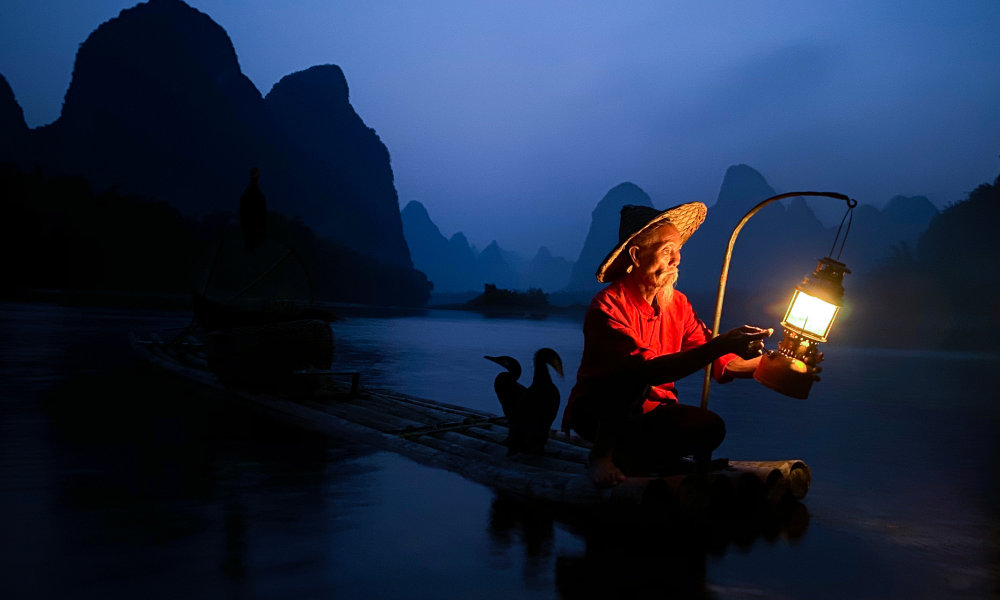
Apple introduced Night Mode to the iPhone 11 in 2019, borrowing a page from the Night Sight feature found on Google’s Pixel phones to capture more detail in low-light conditions without using a flash. It’s a feature that feels magical, and it works so well that some folks have complained that it’s actually hard to capture photos that look like they were actually taken at night.

However, while Apple had offered Portrait mode since the iPhone 7 Plus introduced the first telephoto lens, allowing it to capture the additional depth data needed to create the bokeh effect, it wasn’t until the iPhone 12 Pro arrived in 2020 that the two features came together. That’s because Portrait mode needed enough light to capture depth data through the iPhone’s optical lenses. It wasn’t just Night mode that was lacking in this area on older models; Portrait mode was basically unusable under darker conditions until Apple introduced the LiDAR sensor on the iPhone 12 Pro.
Since then, Portrait mode has worked quite well in the dark, and you’ve been able to kick in Night mode along with it. Until now, that is.
For whatever inscrutable reason, Apple has decided that the iPhone 17 Pro and iPhone 17 Pro Max no longer need Night mode when shooting in Portrait mode. As first reported by Filipe Esposito at Macworld — and confirmed by us and various reports on Reddit and the Apple Support Community forums — the Night mode button vanishes as soon as you switch to Portrait mode, regardless of the lighting.
To be clear, Portrait mode still functions properly in low-light conditions, since the LiDAR sensor is still in to help focus and capture the necessary depth data, but you’ll be limited to capturing photos with whatever light is available.
Sadly, it’s a safe bet this was a deliberate decision on Apple’s part rather than simply a bug. the Night mode page in Apple’s iPhone User Guide for iOS 26 includes a list of iPhone models that support Night mode in Portrait mode from which the iPhone 17 Pro and iPhone 17 Pro Max are conspicuously absent. On the other hand, all three iPhone 17 models and the iPhone Air are on the list of models that support Night mode selfies, so it’s fair to say this isn’t merely an oversight.
Apple hasn’t explained the reasons for this omission, but Esposito theorizes that it may have been to simplify the process to avoid confusing or annoying users who don’t understand how long it can take to capture a photo.
Because Night Mode takes longer to take photos, some users who don’t fully understand how the feature works end up getting annoyed when they have to wait a few seconds for the iPhone to take the photo. In some cases, Night Mode is triggered automatically, but the longer exposure can cause users to miss an important moment by moving their phone too quickly.
Filipe Esposito
We’re not sure we buy that, as the same argument could be made for Night mode in general. The delay is longer when using both Portrait mode and Night mode, but there would be plenty of ways for Apple to address that for those unfamiliar with its limitation — such as simply leaving it disabled by default.
In some quick tests between an iPhone 16 Pro Max and an iPhone 17 Pro Max, Esposito discovered that Night mode isn’t necessarily an automatic improvement. While the photos taken with it on look brighter, they’re also limited to only 12 megapixels and contain more noise and artifacts caused by the post-processing. The same photo taken in Portrait mode on an iPhone 17 Pro looked darker but cleaner.
This is an imperfect comparison, however, as the new camera system should be capable of doing better. A DXOMARK camera test in September confirmed that the new model captures “higher levels of detail” in night mode than its predecessor. This suggests that a Night mode Portrait photo on an iPhone 17 Pro might look a lot better — if it were possible to capture one, that is.
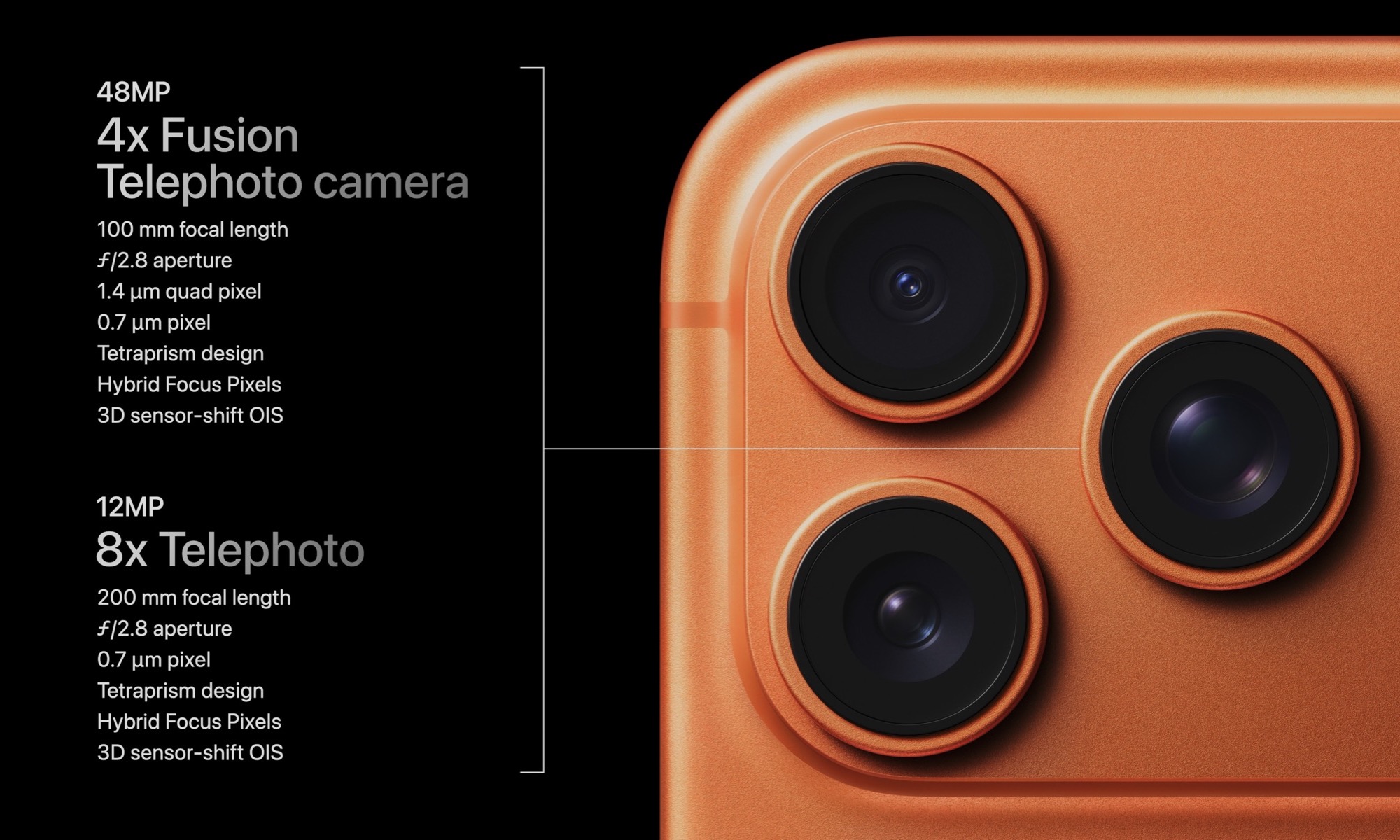
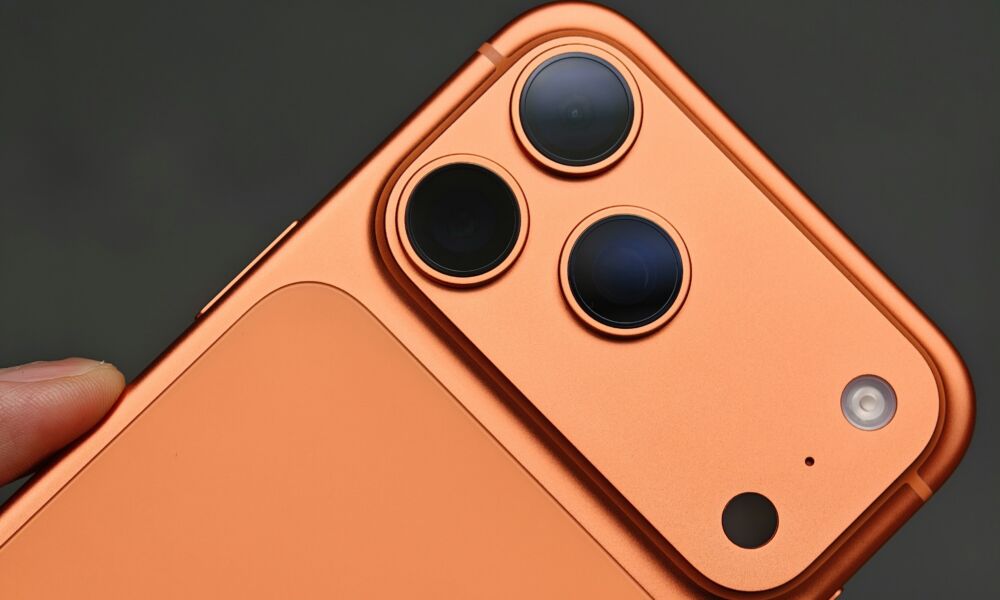
There seem to be no changes from a hardware perspective that would limit the use of Night mode in Portrait mode, as the only significant change in this year’s Pro models was the switch to a 48 MP Fusion Telephoto camera with a 4x tetraprism optical lens. While this optical zoom is technically lower than the 5x found on the iPhone 16 Pro, the higher-resolution 48 MP sensor allows for pixel cropping to achieve an optical-quality 8x zoom that produces a 12 MP photo. However, it’s hard to imagine that has anything to do with the lack of Night mode in Portrait mode, especially since the limitation exists across all zoom levels.
The silver lining is that this means Apple might theoretically be able to add this back in via a software update. We’re not holding our breath on that, since we’re already on the cusp of the iOS 26.2 release and there’s been no sign of it, but if nothing else, perhaps now that it’s making the news Apple will comment on its reasons for leaving it out of this year’s Pro models.