Follow Your Gut: How to Outsmart Today’s Scammers
 Rawpixel / Shutterstock
Toggle Dark Mode
It doesn’t matter who you are or how smart you think you are — nobody is immune to falling for a scam. That’s especially true on today’s internet, where the many ways for scammers to reach out anonymously have resulted in more unique scams than ever before.
Thanks at least in part to AI, modern scams no longer look like sketchy pop-ups and misspelled emails. They often look like normal messages you’d see everyday, such as regular delivery updates while you’re waiting on a package, a bank alert when you’ve been traveling, or a message from a “friend” that feels casual — until it gets oddly urgent.
That’s also why scam statistics keep pointing to the same categories year after year. Phishing and spoofing are consistently among the most commonly reported cybercrimes, and “investment” scams are a major source of losses because they push people to move money quickly in ways that are hard to reverse. Our goal here isn’t to make you paranoid, but forewarned is forearmed, and knowing more about the most common approaches will make you harder to rush, harder to steer, and harder to pressure.
Imposter Scams: Fake Messages from Banks, Government Agencies, Companies, and Fraud Departments
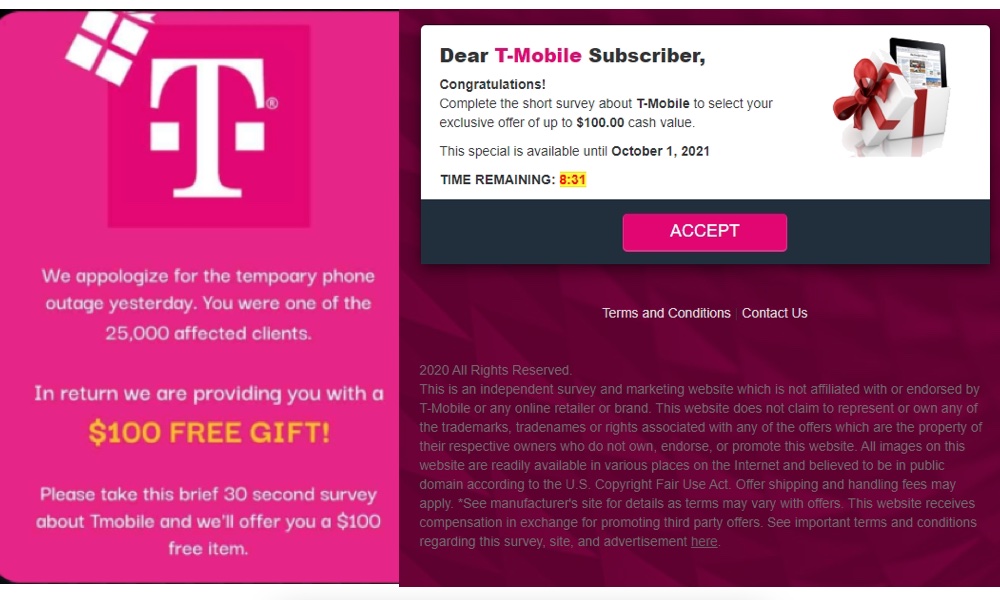
Imposter scams are one of the most classic scams, but they’ve gotten cleaner and more believable over time. The scammer pretends to be someone you already trust and sends you an urgent message that just can’t wait.
They’ll tell you your account has suspicious activity, your Apple Account will be locked, your bank detected fraud, or you’re under investigation and going to jail. The message always has the same subtext: act now and do what they tell you to do via the channel they choose.
The real giveaway is what they ask you to do after they break the “bad news.” They usually tell you that everything is going to be okay as long as you pay money right away. What’s more, these payments are done in an unusual way: wire transfers, gift cards, crypto, or another weird way to “move your money to protect it.”
If they don’t ask for money, they might ask for the next best thing: your data. They might ask for your credit card information, your credentials to log in to your bank account, or something similar.
Remember that legitimate companies don’t ask you to buy gift cards to prove anything, and they don’t tell you to move money into a “safe” account. If this ever happens to you, the best thing you can do is to avoid talking to them. End the call, or stop replying. Afterward, open the real banking app or the official company website by typing it yourself in a browser that you know is trusted and safe. You can also contact the company using the official contact numbers.
You can then talk to a trusted representative who will tell you if the message is actually right.
Phishing Emails and Fake Login Pages That Steal Your Credentials
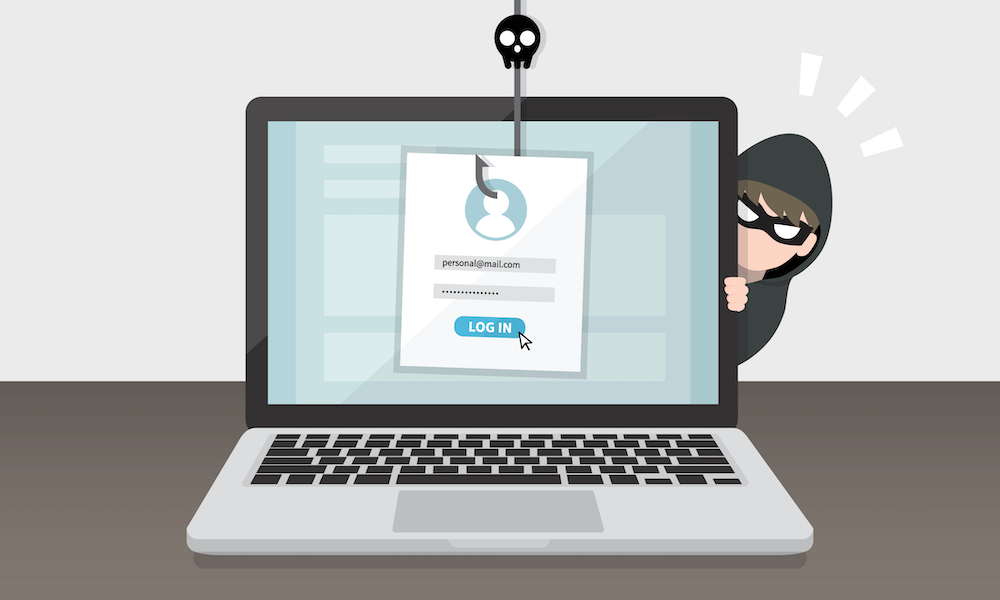
A phishing scam is one of the oldest tricks in the scammer’s book, and it still works for a good reason. The email looks normal, the branding looks right, and the subject line hits a nerve with something like “Your account is locked,” “Unusual sign-in,” “Payment failed,” or “Action required.”
Then you click the link in the message, and the page you land on looks like a real login screen — except it’s not. Instead, it’s a fake page specifically built to capture whatever you type. Some versions are even fast enough to ask for your two-factor code and use it in real time.
A great way to avoid giving your information to a fake website is to use a password manager, because it will behave differently. If you normally sign in to a platform with AutoFill and your password manager doesn’t offer to fill in your credentials, that’s often a warning that the domain isn’t the real one. Don’t simply copy and paste in your password manually; stop and check the website is legitimate by looking closely at the URL.
If you don’t have a password manager or simply want another way to avoid problems, the safest approach is to not click the link inside the email in the first place. Open the app directly, or type the site into your browser yourself. If there’s a real problem, you’ll see it once you’re inside your legitimate account. If there isn’t, you just dodged a huge bullet.
Smishing Delivery Texts That Claim Your Package Is Being Held
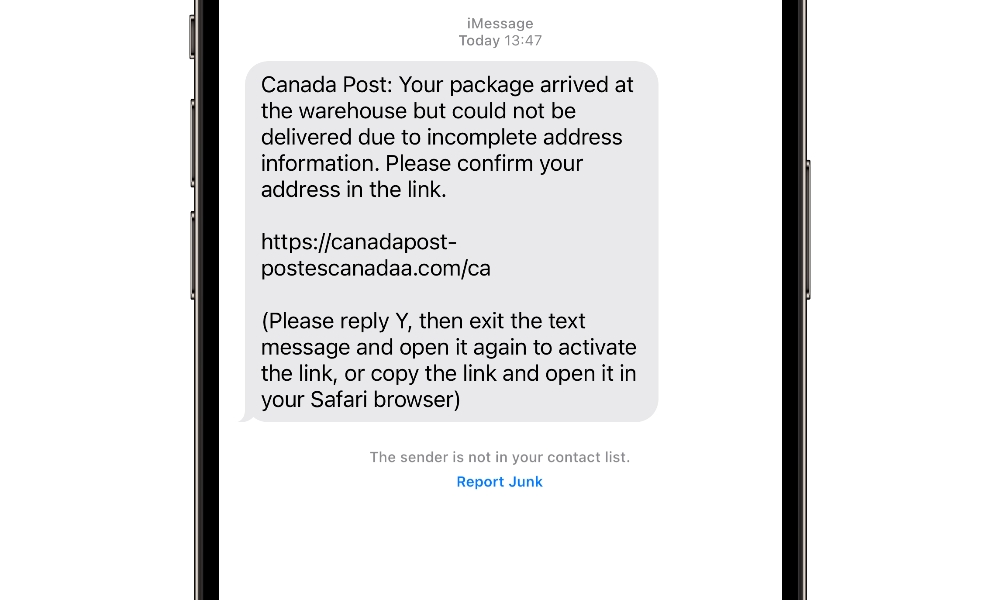
Smishing is phishing by SMS, and texts about a delivery are the most common scams because they catch people’s attention. The message says your package is delayed, your address needs confirmation, or you must pay a small fee to release a shipment. It includes a link that looks real enough, and it counts on the fact that you want to deal with it quickly.
The first tell is vague specifics. Real carriers usually reference a real tracking number and don’t need you to confirm an address via a random link. The second tell is the URL itself. If it’s shortened, strange, or full of extra words, assume it’s not real. The best way to deal with it is to ignore it if you know for certain you aren’t expecting a package.
On the other hand, remember to never use the text link to track a package. Check your order in the retailer’s account, or go directly to the carrier’s official site and enter your tracking number.
Pig Butchering Scams That Start as Romance and End as an Investment Pitch
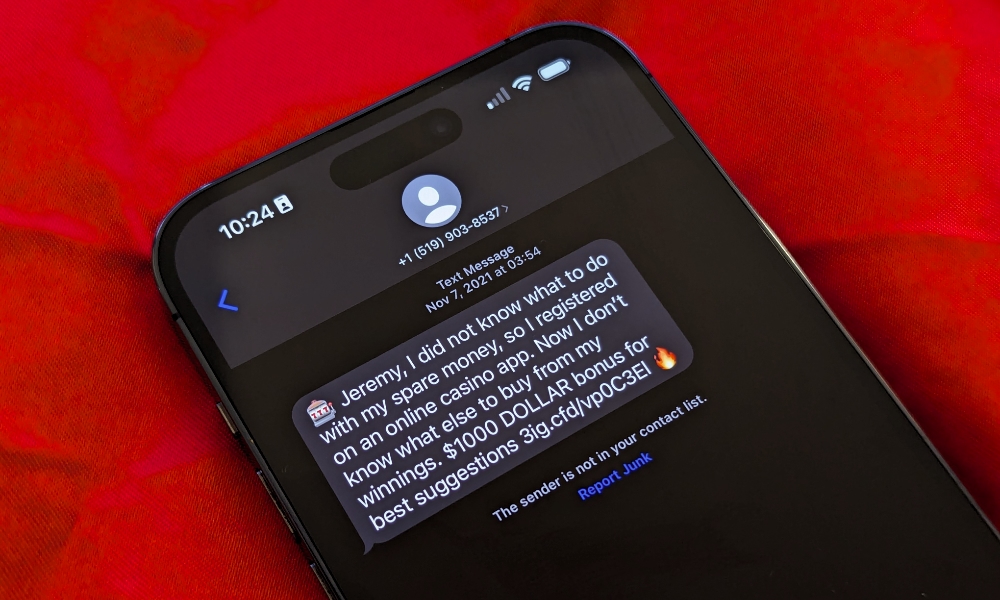
Pig butchering is a long con that looks like a digital relationship first and a financial plan after a while. A scammer starts talking to you over weeks or months to gain your trust. They’re friendly, consistent, and often unusually attentive.
Then, once the connection feels real, they introduce an “investment opportunity,” often crypto-related, with screenshots of profits and stories of easy wins. You’re pushed onto a platform that looks professional enough but is controlled by the scammers. Deposits look great, but withdrawals become impossible without fees, taxes, or verification hurdles that never end.
This scam keeps working because it plays on emotions. The tells are pretty much the same every time: a reluctance to video chat, constant excuses to meet in real life, pressure to move to private messaging, and a sudden switch to money talk. If a new online relationship turns into financial coaching, treat it as a serious risk. The safest rule is blunt but effective: don’t invest based on a relationship you can’t verify, and never move money because someone you’ve never met wants to “teach you” how to be rich.
QR Code Scams That Turn a Scan Into a Phishing Link
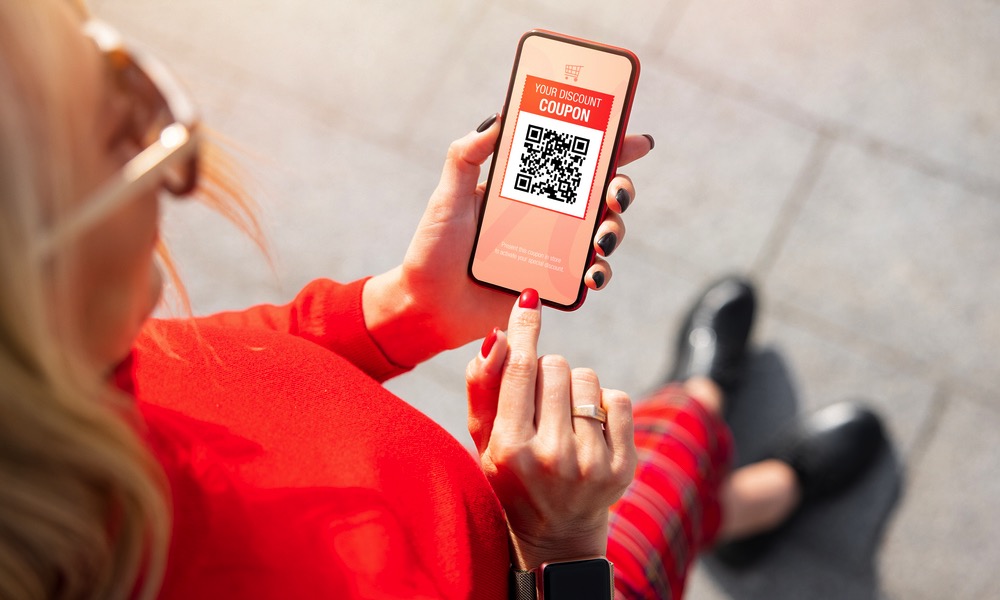
QR scams work because scanning is more convenient than typing. But a QR code is just a shortcut to a URL, and that URL can be anything. Scammers place fake QR stickers over real ones in public places, embed QR codes in emails, or use codes on fake posters and flyers. You scan, you land on a page that looks official, and suddenly you’re giving them your credentials or payment details.
You can prevent any problems by previewing the site’s URL before you proceed. Your phone will usually show you where the code leads. If the domain is strange, shortened, or doesn’t match the brand you think it is, don’t continue. QR codes can be convenient, but they don’t come with built-in trust.
Fake Job Offers and Easy Remote Work Scams

These scams target people who are hopeful, stressed, or just eager to find a job. The job posting looks great. The pay is high, and the onboarding is fast. The interview might be text-only and surprisingly quick. Then the scam shifts into money or sensitive info. The “company” may ask you to pay for equipment, cash a check, send money back, or provide really sensitive and personal details immediately.
Real jobs don’t require you to pay to get paid. Real employers don’t hire you through a few vague texts and then ask you to move money around. And any company that’s legit enough won’t ask you for money so they can buy your equipment; they’ll give it to you for free when you start working. If the process feels rushed, oddly informal, or focused on payments and personal info before a real interview, slow down and verify the company and recruiter through their official website or contact information.
Charity and Crisis Donation Scams That Exploit Emotion
When a disaster hits, scams follow. Fake charities pop up. Emotional stories spread fast. Donation links flood social media, and the messaging is designed to make you feel guilty for hesitating, often pushing payment methods that are hard to reverse.
The safest approach is to donate through known organizations or verified portals and to take a minute to confirm you’re donating to the real group, not an impersonator with a similar name. If someone pressures you to donate via gift cards, wire transfers, or crypto, treat it as a giant warning sign. Real charities don’t need you to pay in the most scam-friendly way possible.
Stay Safe Online
Staying safe online doesn’t require you to become suspicious of every message or afraid to click anything ever again. It just means learning to recognize the tactics that keep showing up: urgency, pressure, secrecy, and payments that can’t be reversed.
The moment you feel rushed to do something is usually the moment you should slow down. If you make it a rule to verify using a company’s official channels, keep your passwords unique with a password manager, and treat strange payment requests as a deal-breaker, you’ll avoid the majority of scams that still catch smart people every day.