iPhone 17e vs. iPhone 16: The Budget King Meets the Former Champ
Toggle Dark Mode
On paper, the iPhone 16 and iPhone 17e have more in common than you might expect. Both are 6.1-inch iPhones, and both have OLED displays, Face ID, USB-C, an Action button, Apple Intelligence support, and a 48 MP main camera.
At first glance, it’s easy to assume the choice mostly comes down to whether you want the newer iPhone or not. But that’s not really what’s going on here.
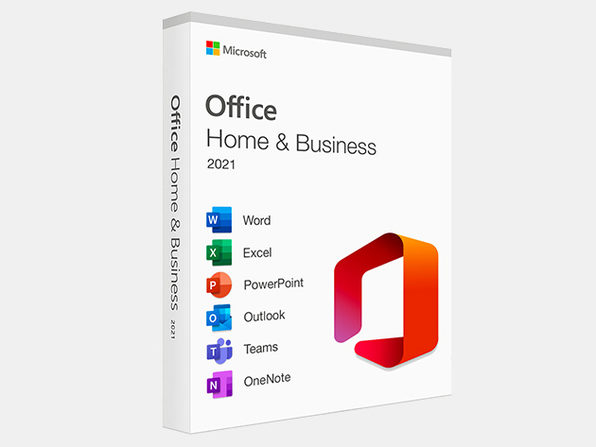
These two models offer unique features and design choices that make them quite different from one another. While one gives you a better display and camera system, the other might give you a better bang for your buck while still covering all the essentials.
To help you make the right choice, let’s compare both models to see if you should go for the newer device or if the older, more complete iPhone is best for you.
Price and Value: The iPhone 17e Is the Smarter Buy
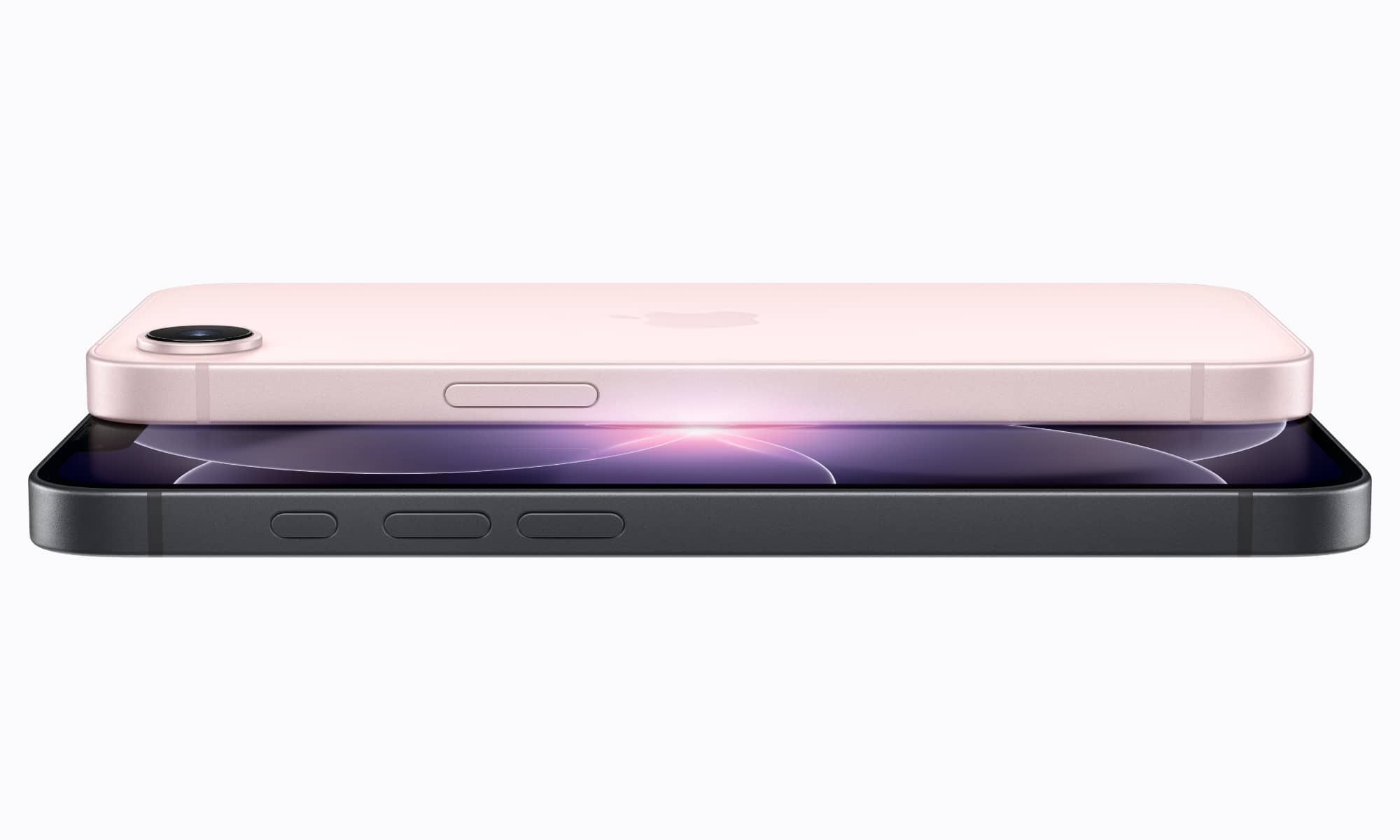
The strongest reason to buy the iPhone 17e is also the simplest one: it gives you more bang for your buck. It starts at $599, and it comes with 256 GB of storage right from the base model. That’s a much stronger starting point than Apple’s lower-cost iPhones used to offer, and it’s also better than the iPhone 16 itself.
This reason alone makes the iPhone 17e easier to recommend to normal buyers who don’t want to think about storage upgrades before they’ve even gotten their new iPhone.
Storage affects how the phone feels over time. A phone with more room for photos, videos, apps, and downloaded content tends to stay comfortable longer. That makes the iPhone 17e feel like a better value than some older budget iPhones, which often looked affordable at first but felt less generous once you compared the storage available.
The iPhone 16 is weaker here because it starts at $699 for the 128 GB model. If your main goal is to get a modern iPhone that feels new without spending more than necessary, the iPhone 17e is the better answer. That does not make it the better phone overall, but it does make it the better value.
Display: The iPhone 16 Wins on Brightness and Style
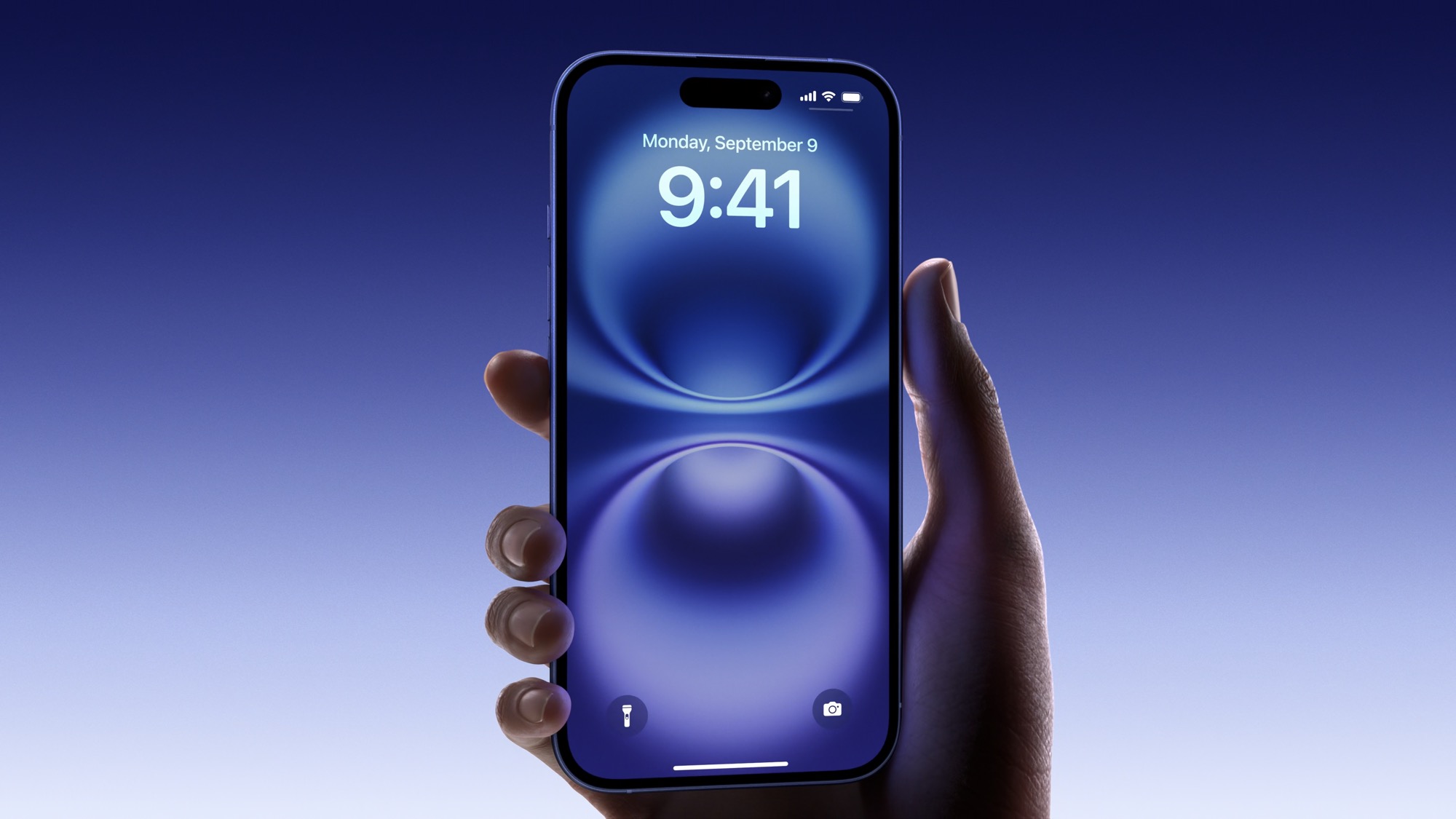
If you spend a lot of time looking at your phone, as most of us do, the iPhone 16 has a clear advantage. Both phones use 6.1-inch OLED displays, which is already good news because neither one is stuck with an older LCD panel. But once you move past the basics, the differences become much easier to notice.
The iPhone 16 has a more premium display. It includes the Dynamic Island, which is a nice change compared to the notch. Not only that, but it gives you extra features, like tracking a food delivery or skipping tracks without having to jump back into the app.
Additionally, the iPhone 16’s peak brightness can go up to 2,000 nits outdoors. That makes a huge difference when you’re outside in harsh sunlight, checking directions, trying to take a photo, or just trying to read a message without tilting the phone around to find the right angle. It also gives the front of the phone a more modern look, especially if you care about that newer iPhone feel, or you’re just tired of the notch.
The iPhone 17e still has a good-looking screen, and for many casual users, it will be perfectly fine. But its display is dimmer on paper, and it does not bring the same look or functionality to the front. This is one of those categories where the difference is not just about specs; it’s about how premium the phone feels every single time you use it. If screen quality matters to you, the iPhone 16 wins this one without much debate.
Performance: The iPhone 17e Is More Future-Proof
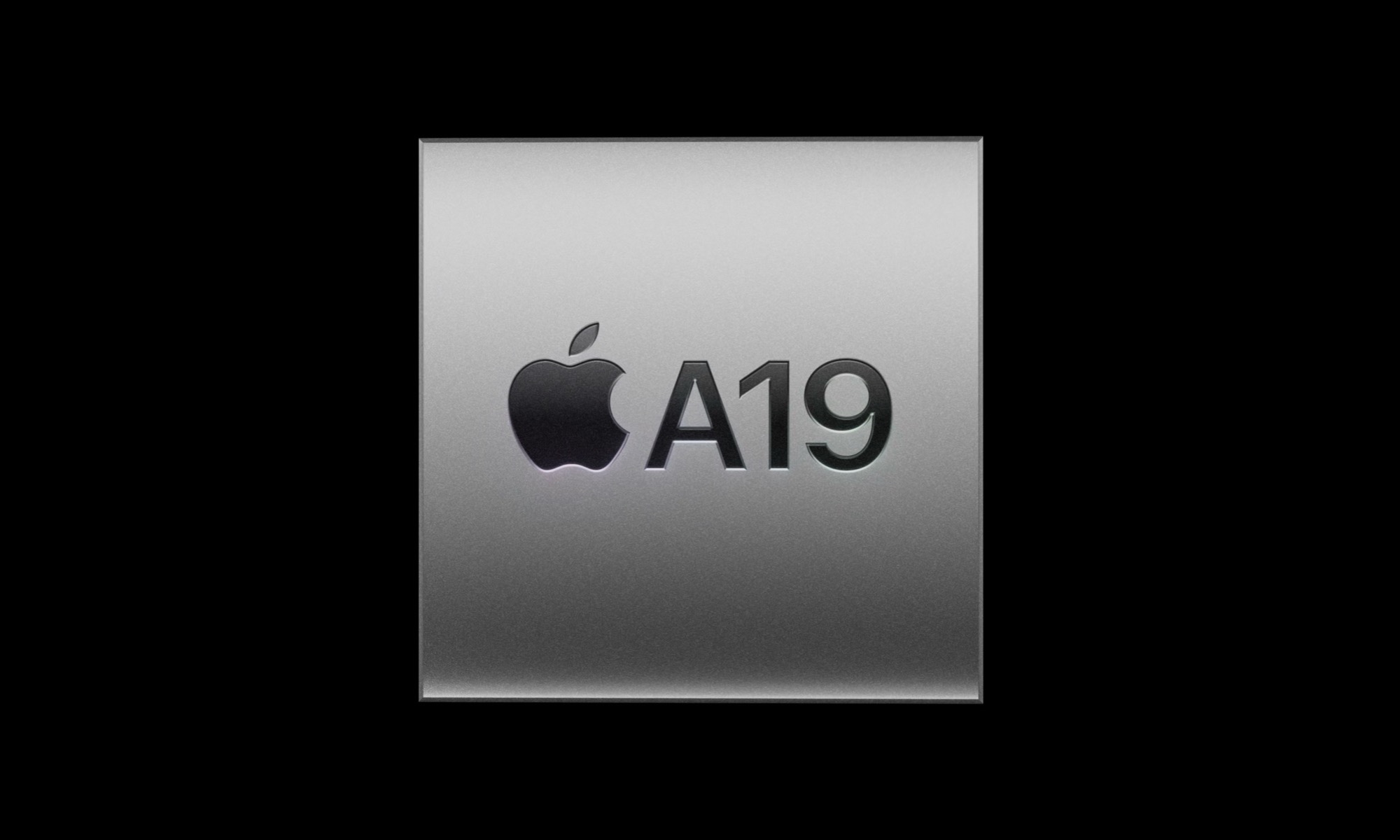
This is one of the more interesting categories because the result, at least on paper, is not what you’d expect. This time around, the cheaper device actually gets the newer, more powerful chip. The iPhone 17e uses Apple’s A19, whereas the iPhone 16 still features the A18 chip. In practical terms, that gives the 17e the advantage if you are thinking about raw power and long-term usage.
Now, it’s important not to exaggerate that difference. The iPhone 16 isn’t suddenly outdated just because it’s rocking the A18; it’s still an Apple Intelligence powerhouse that can run modern iOS features, and should feel fast in everyday use for a long time. If your daily phone use mostly involves messaging, apps, browsing, photos, and streaming, you probably won’t notice a dramatic performance difference.
But when two phones are otherwise fairly close, a newer processor still matters. It gives the 17e a slightly stronger advantage in longevity, especially if Apple continues to push more advanced on-device features over time. So if you want to call a winner here, the iPhone 17e gets it. Not because the iPhone 16 is weak, but because the 17e gets the newer chip and likely a little more power as a result.
Cameras: The iPhone 16 Offers Much More Versatility
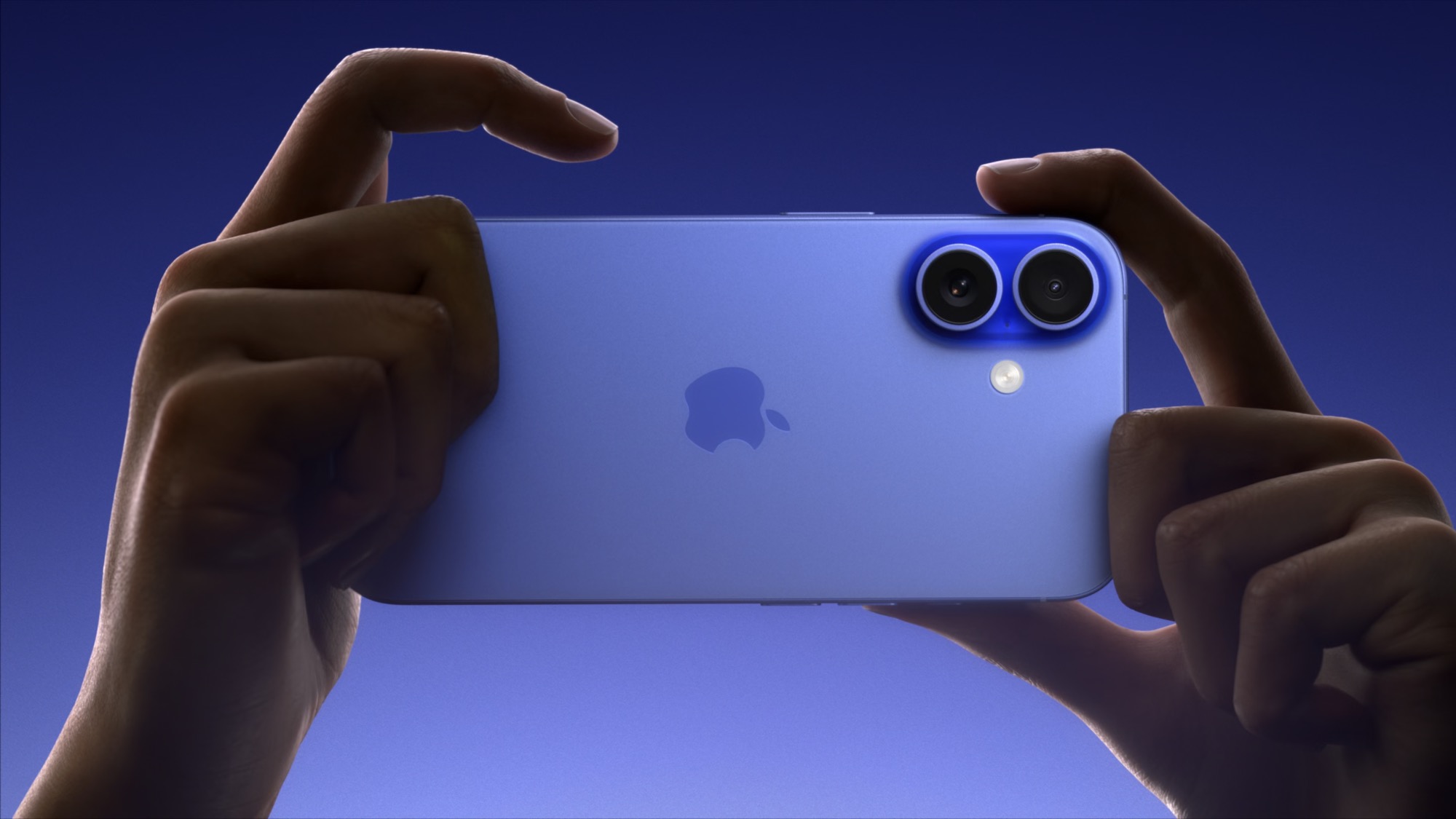
This is where the iPhone 16 starts reminding you why it costs more. While both phones have a 48 MP main camera, the iPhone 16 adds something the 17e does not: a separate Ultra Wide camera. That gives it more flexibility from the get-go. You can fit more into landscape shots, handle indoor pictures more comfortably, and get more creative with framing in a way the iPhone 17e simply cannot match.
That extra lens matters more than people sometimes think. Casual users often assume they do not need an Ultra Wide camera until they are standing in front of a beautiful view, a big building, or a group of friends indoors, and suddenly realize they physically cannot step back any farther. That’s where the iPhone 16 becomes the safer recommendation for people who care more about photography, or just having more options when they open the Camera app.
The iPhone 17e is still perfectly capable for everyday photos. If your photo life is mostly pets, food, family snapshots, receipts, and quick social posts, you’ll likely be happy with it. But if you want more flexibility, the iPhone 16 is the better pick.
Battery Life: The iPhone 17e Goes the Distance
Battery life is one of those things that you can’t really just ignore, especially when buying a new iPhone. It’s not just about whether the phone survives the day; it’s about how much you can use it without starting to worry. A phone with more battery feels less stressful overall.
On paper, the iPhone 17e has the advantage here. Apple’s own battery estimates put it ahead of the iPhone 16 for both standard video playback and streamed video playback. According to the company, you should get up to 26 hours of video playback on the iPhone 17e, and up to 22 hours on the iPhone 16.
That is a big difference, especially for heavier users or for people who simply want more breathing room while they’re out and about. If you stream a lot, browse for hours, use navigation frequently, or just hate ending the day in low-power mode, the iPhone 17e might be better for you.
The iPhone 16 still has solid battery life, so this isn’t a huge difference overall. But if battery life is near the top of your list, Apple’s numbers favor the iPhone 17e. And when you combine that with the lower price, it becomes the obvious choice.
Design and Durability: A Toss-Up Between Style and Strength
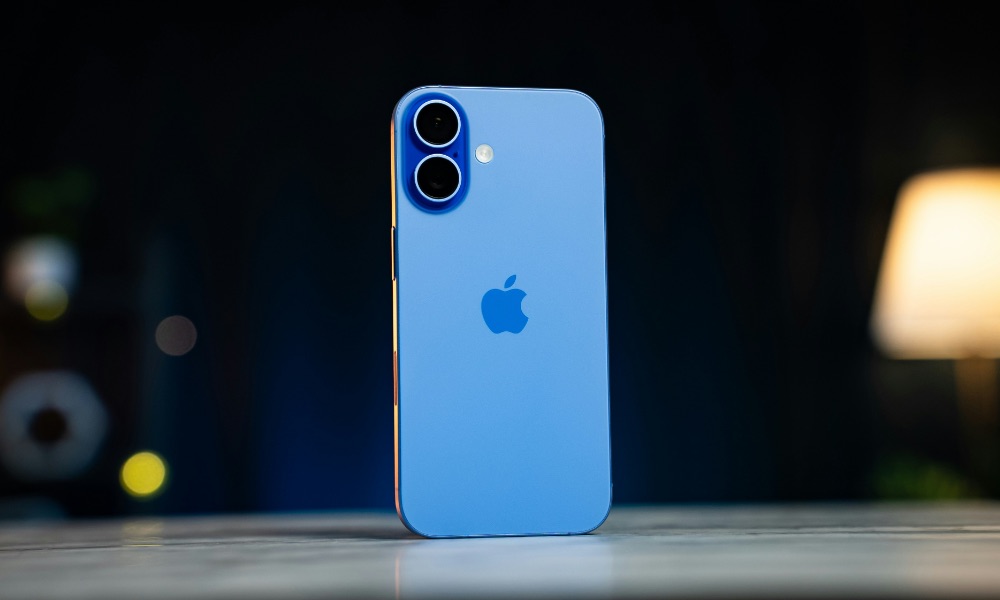
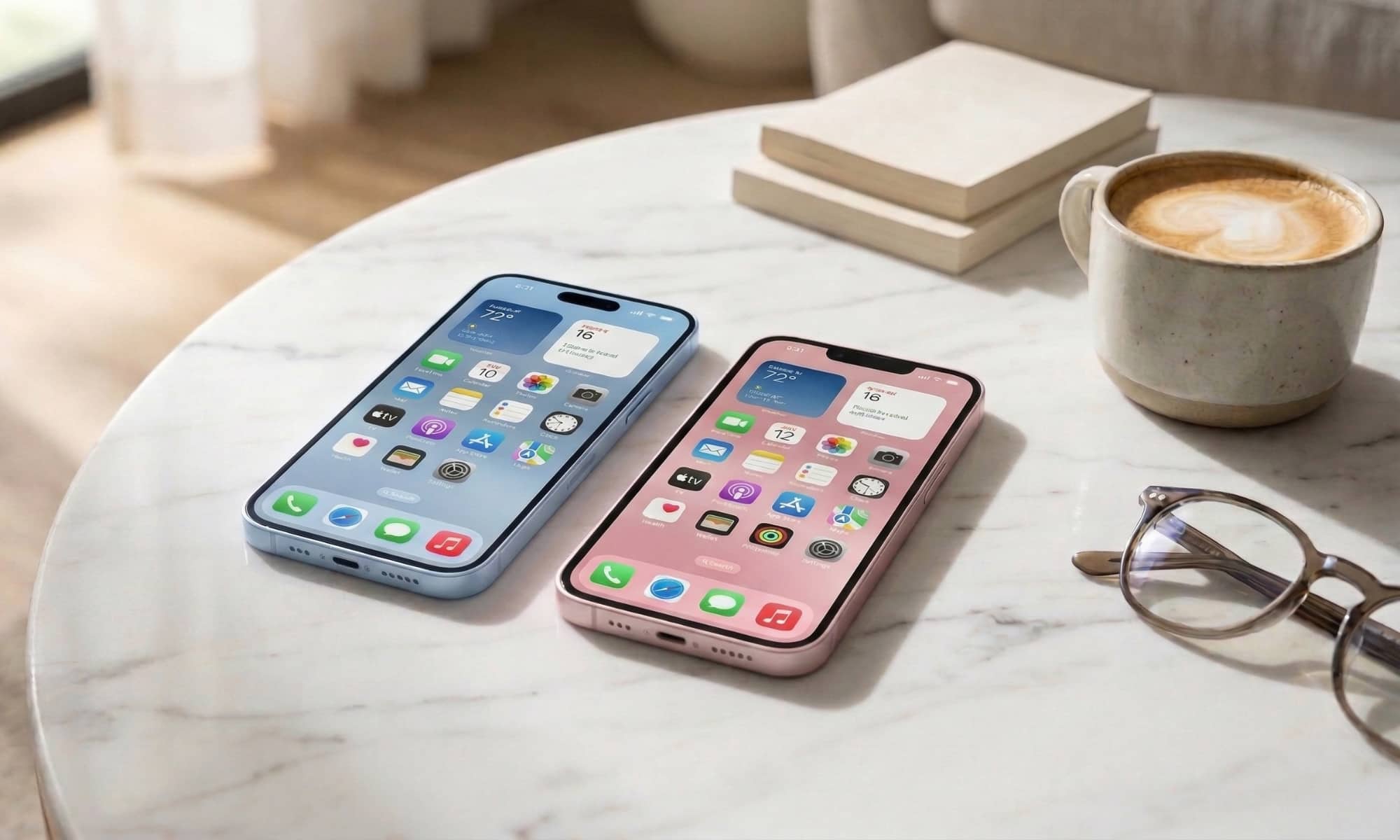
This comparison is more similar than you might expect. The iPhone 17e is actually a good, durable device. Apple says it uses Ceramic Shield 2 on the front, and it is slightly lighter than the iPhone 16.
Those are not huge differences, but they do support the idea that the 17e is not some flimsy, cheap iPhone; it’s still clearly built to feel modern and durable.
The iPhone 16, though, has the nicer overall style, which some people might prefer. It comes in more color options and uses Apple’s more modern design, thanks to the Dynamic Island and the Camera Control button. That means if you prefer aesthetics over durability, the iPhone 16 feels more like the nicer product. It is the one that looks and feels more like the modern iPhone.
That doesn’t mean that the iPhone 16 is fragile. It still features the first-generation Ceramic Shield, so it’ll literally be a hard nut to crack. But the iPhone 17e is still tougher overall.
So this really comes down to what kind of buyer you are. If you care more about practicality and durability, and you like the fact that the iPhone 17e is slightly lighter and still well protected, that is the iPhone to get. If you care more about style, finish, and overall polish, the iPhone 16 is better for you.
The Verdict: Most Should Pick the iPhone 17e
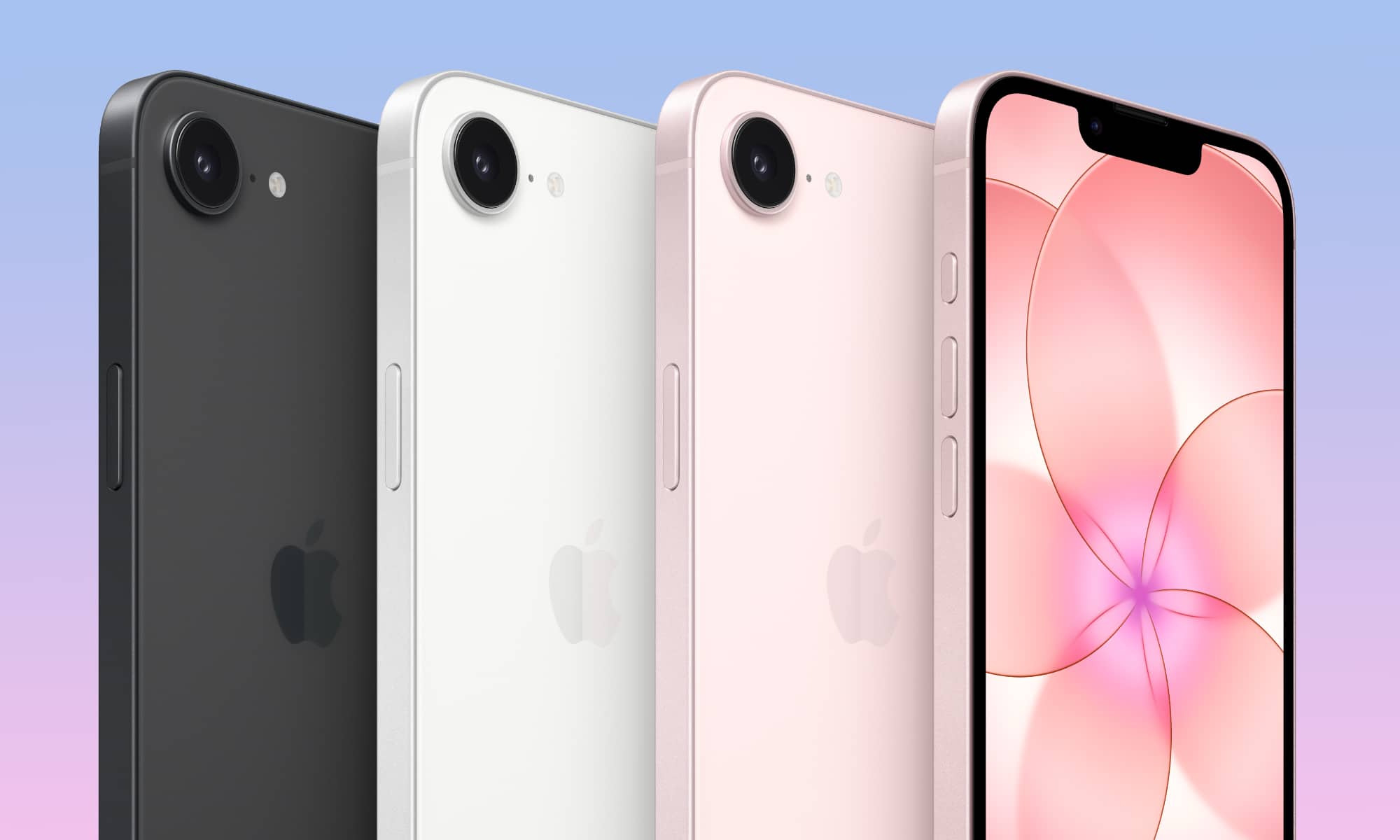
While there’s no one-size-fits-all answer, the iPhone 17e is the smarter buy for most people — even if the iPhone 16 remains the more technically “complete” device.
The iPhone 17e wins on price, storage, battery life, and processing power. Those are not minor categories, and they make it a very compelling choice for budget-conscious buyers who still want a current, capable iPhone. It covers the essentials extremely well and avoids the feeling of compromise that lower-cost iPhones used to feel.
The iPhone 16 wins on display quality, camera flexibility, and extra hardware perks. It’s the nicer device in a way many people actually notice every day, but it’s also in a strange spot, since the price puts it right in the middle of the budget iPhone 17e and the much more capable iPhone 17.
So, for most people, the iPhone 17e is the better choice. It’s better in many different qualities, and you’ll get better value for less money. On the other hand, if you can comfortably spend more and want a more polished experience with fewer tradeoffs, the iPhone 16 is still the better pick.