Latest ‘iPhone Fold’ Leaks Reveal a Battery King with an iPad Mini Twist
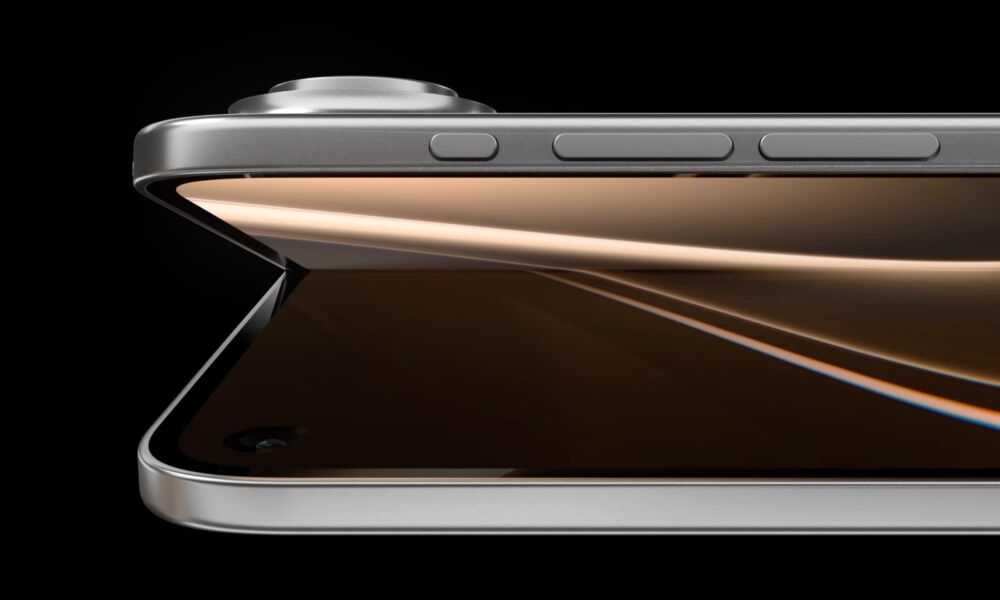 iPhone Fold Concept [fpt / YouTube]
Toggle Dark Mode
With Apple expected to unveil the so-called “iPhone Fold” later this year, it’s no surprise that things are starting to heat up in the rumor mill. After all, this isn’t just another iPhone Pro — it’s arguably the most significant advancement to the state of the iPhone to arrive since the iPhone X debuted nearly a decade ago.
Although we already have a pretty good idea of what the iPhone Fold will look like, thanks to some high-quality concept videos, the jury is still out on some of the finer details, from the kind of specs it will pack under the hood to whether we could see the return of Touch ID. Of course, some of the specs are table stakes: it doesn’t take a lot of clairvoyance to guess that the iPhone Fold will almost certainly use Apple’s latest A20 Pro chip and likely a next-generation “C2” version of its in-house modem chip. Still, there are still a lot of unknowns.

However, another leaker is filling in the blanks by corroborating the surprising rumors on how much of a battery upgrade Apple’s first foldable could get.
Power to Spare
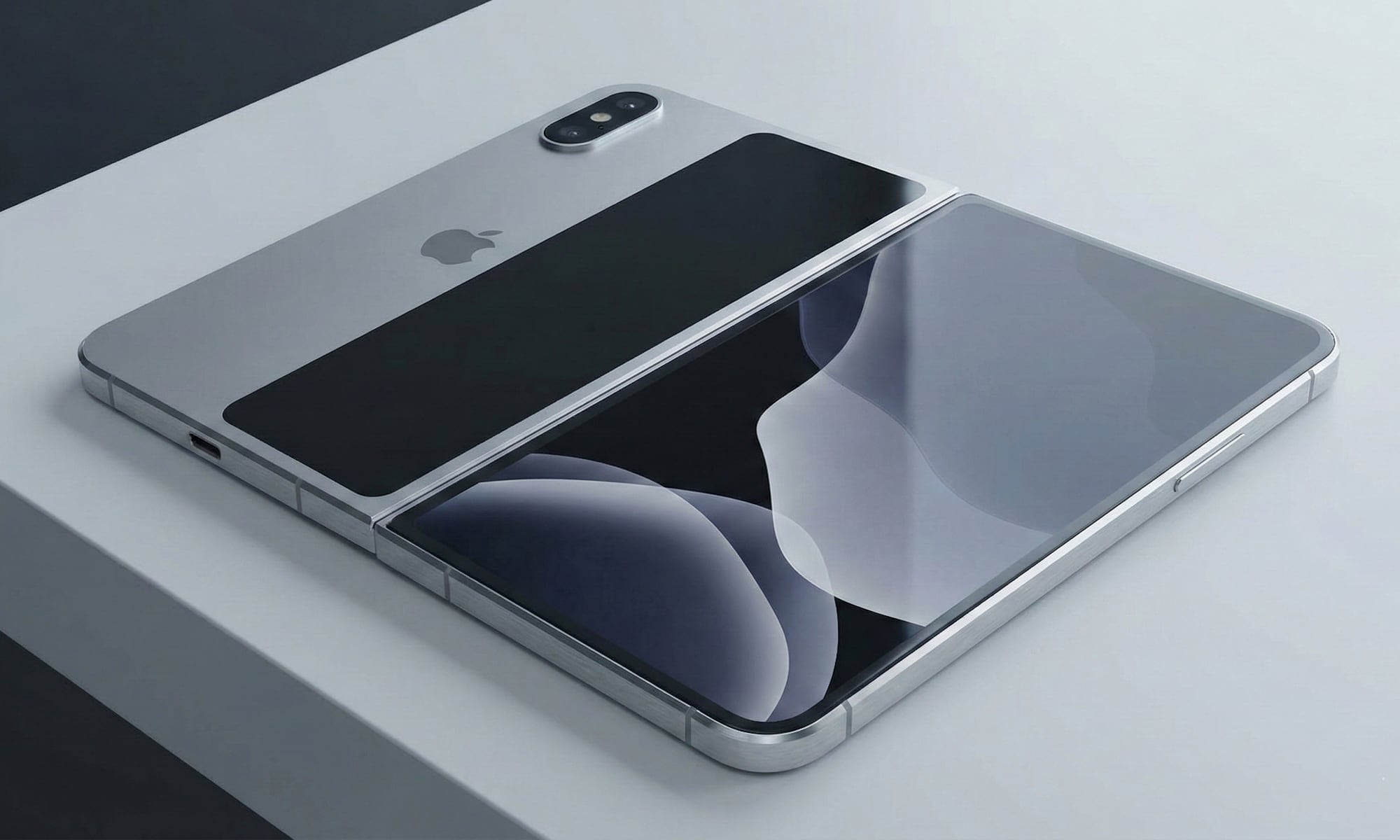
Most of the buzz around the iPhone Fold has been on the design, screen, and hinge, but there have been several reports over the past few months on the internals. In November, leak aggregator “yeux1122” claimed Apple was testing massive batteries for the foldable — in the 5,400–5,800 mAh range. Now, well-known leaker “Fixed Focus Digital” has chimed in on Weibo to corroborate this, setting the number at around 5,500 mAh.
If true, this would make for the largest battery ever seen in an iPhone. Last year’s flagship iPhone 17 Pro Max already became the first to cross the 5,000 mAh threshold when its 5,088 mAh cell raised the bar significantly from its 2024 predecessor’s 4,685 mAh battery.
Of course, one might expect a foldable iPhone with twice the surface area of a standard iPhone to have room for a larger cell, but what’s particularly interesting is that a 5,500 mAh battery would also dwarf the current A17 Pro iPad mini’s 5,078 mAh cell.
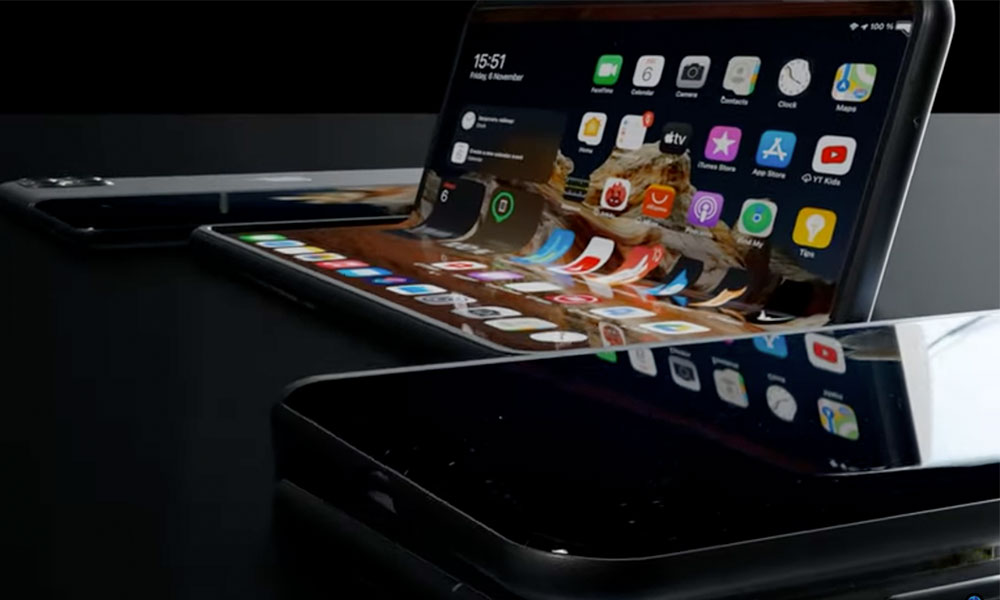
It’s an apt comparison, as many have likened the iPhone Fold to a foldable and pocketable iPad mini. It won’t likely be quite as large, as rumors point to a 7.8-inch display when open, but that’s still not far off from the 8.3-inch panel on the iPad mini, and the iPhone Fold will likely sport smaller bezels to make it more pocketable, with a 5.5-inch screen when closed that will likely have an aspect ratio closer to Apple’s standard iPhone models.
The iPhone Fold is expected to borrow many design cues from the iPhone Air. In fact, many have suggested that the iPhone Air is largely a prototype for one half of the foldable. Apple managed to squeeze a 3,149 mAh battery into the iPhone Air’s 5.6 mm frame, so it’s not a huge stretch to fit 5,500 mAh into something that will effectively be the size of two iPhone Air devices, albeit possibly even thinner. Supply chain analyst Ming-Chi Kuo has also previously reported that Apple plans to use high-density battery cells, similar the ones in the iPhone Air.
Apple’s secret for the iPhone Air was to basically make the body almost entirely battery. It’s the first iPhone model to ditch the physical SIM slot in every country where it’s sold, and the rest of the electronics are squeezed into the “plateau” at the top. It’s a remarkable feat of engineering, and many believe Apple will use that same strategy for the iPhone Fold.
That’s led to speculation that Apple will move back to Touch ID for the new device to save space. This comes from typically reliable sources like Kuo, and there’s some logic to it, as a foldable would need two Face ID cameras to work both when open and closed. However, it’s unclear whether Apple plans to abandon Face ID entirely, or simply go with a hybrid system that uses Face ID in one mode — likely when closed — while relying on Touch ID for unfolded, iPad-style use, where it might be a more natural fit.
Breaking New Design Ground

At the same time, another well-known Weibo leaker, “Instant Digital,” shared a bombshell about button placement suggesting that Apple is going to follow the design of the iPad mini by moving the volume buttons from their more common left-side placement to the top right of the device. The side button, which is believed to include the Touch ID sensor, and the “AI button (camera button)” are said to remain on the right side.
When you think about it, this makes perfect sense. Firstly, there’s a very sensible engineering reason for this: By placing all the buttons on the right side, Apple avoids running needless ribbon cables across the hinge, which is always the weakest link in a foldable device. That’s especially true when there’s really no logical reason to put the volume buttons on the other side — it could actually make for a bad user experience.
After all, when the iPhone is folded shut, the left side will be the hinge, which isn’t conducive to buttons. Volume buttons that are on the left side when opened would just be more right-side buttons when closed, creating an awkward “button sandwich” that would be a nightmare to navigate by feel. On the other hand, spreading out all the buttons on the right corner allows for easy access when using the device one-handed.
Still, this is just rumor and conjecture at this point, and Apple has been known to surprise us before. We’ll have to wait and see what the company’s first foldable iPhone looks like when it arrives later this year.
[The information provided in this article has NOT been confirmed by Apple and may be speculation. Provided details may not be factual. Take all rumors, tech or otherwise, with a grain of salt.]