
Unfolding the Quirks: 7 Hidden Details in the iPhone Duo
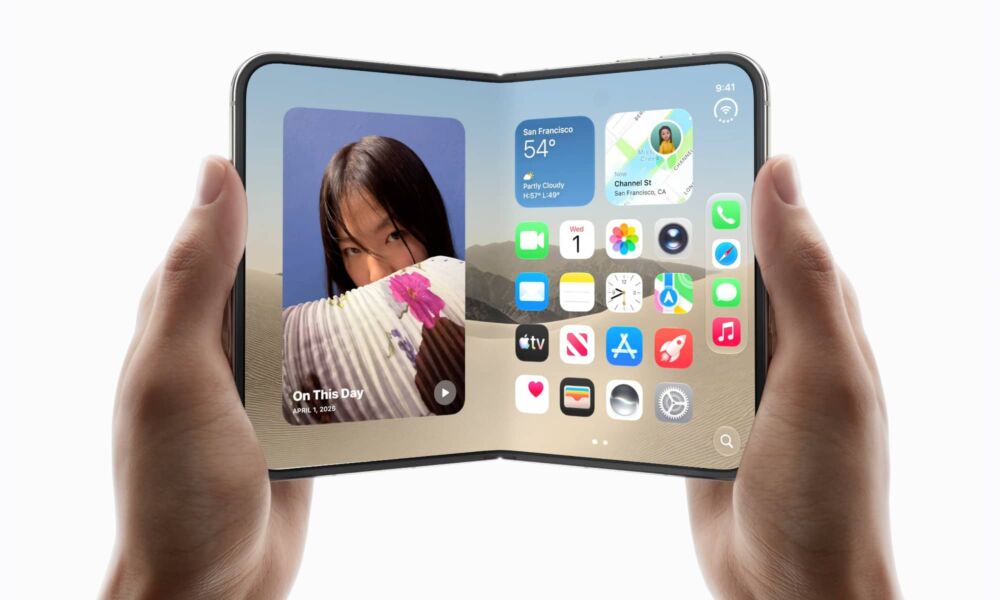
Apple’s new iPhone Duo is arguably the biggest thing to happen to the iPhone in, well, possibly ever. While one could argue that the iPhone X was a pretty big game-changer in its own right, the iPhone Duo breaks entirely new ground — especially for Apple.
While the company is obviously really late to the foldable game, it’s not exactly stepping in meekly. The iPhone Duo is Apple’s very opinionated take on what a foldable smartphone should be, and that alone makes it stand out from the rest of the Android pack. That’s not to say there won’t be plenty of room to debate whether the other options are better in their own ways, but it’s hard to argue that the iPhone Duo is merely derivative.
However, all that being said, the iPhone Duo follows in the footsteps of last year’s iPhone Air by being an unusual hybrid of features. There were several reasons why we never thought there was even a chance Apple would go with “iPhone Ultra” as the name, but high on the list is the fact that the only thing that’s really “ultra’ about the new foldable is its price tag.
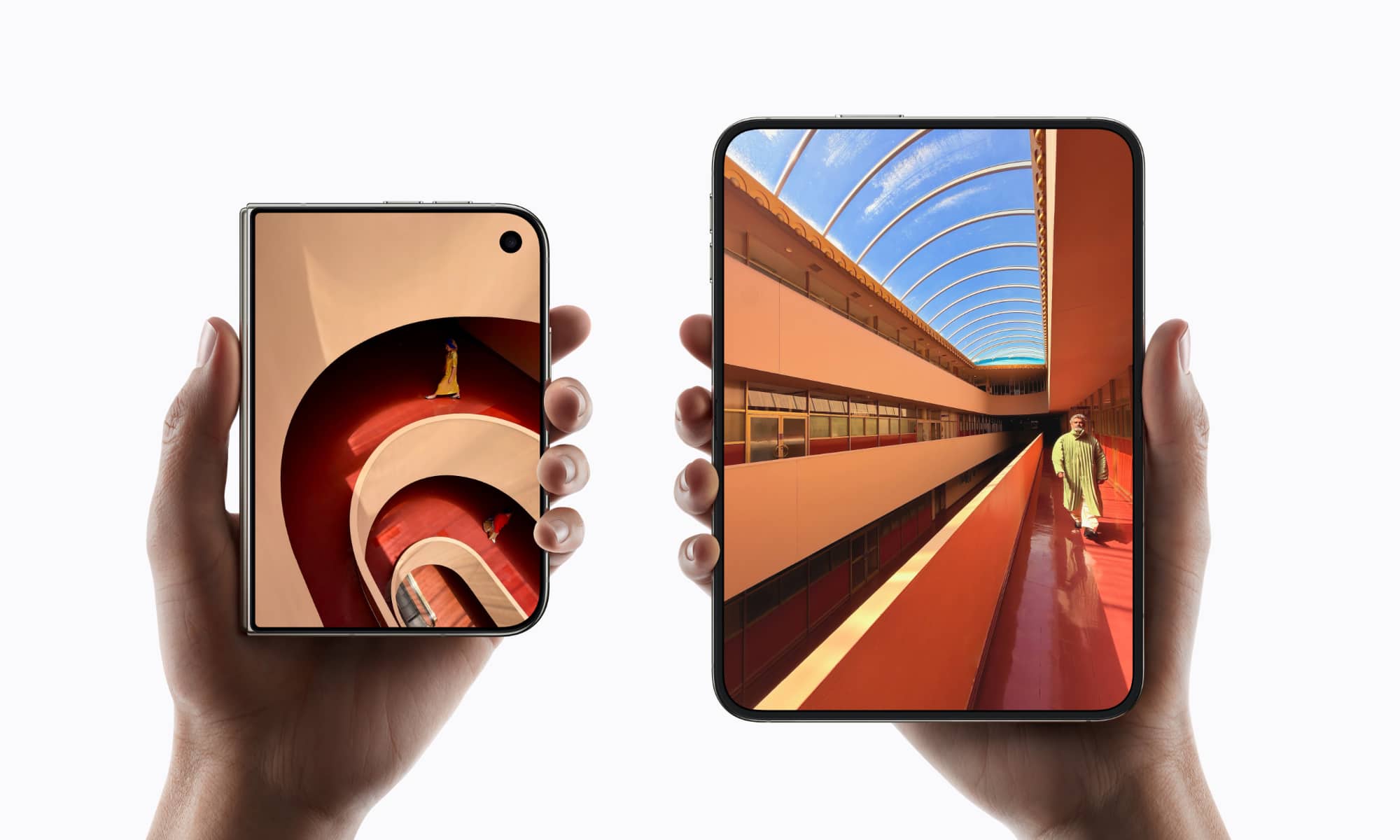
At least the iPhone Air was priced in between the iPhone 17 and iPhone 17 Pro. Apple’s sleek, museum-piece iPhone was a study in compromises, but the price made it obvious that you were paying for something that was less capable than Apple’s flagship models. The iPhone Duo is more expensive because of its ambitious engineering and large screen, but when it comes to raw specs, the iPhone 18 Pro models still beat it out — especially when it comes to the cameras.
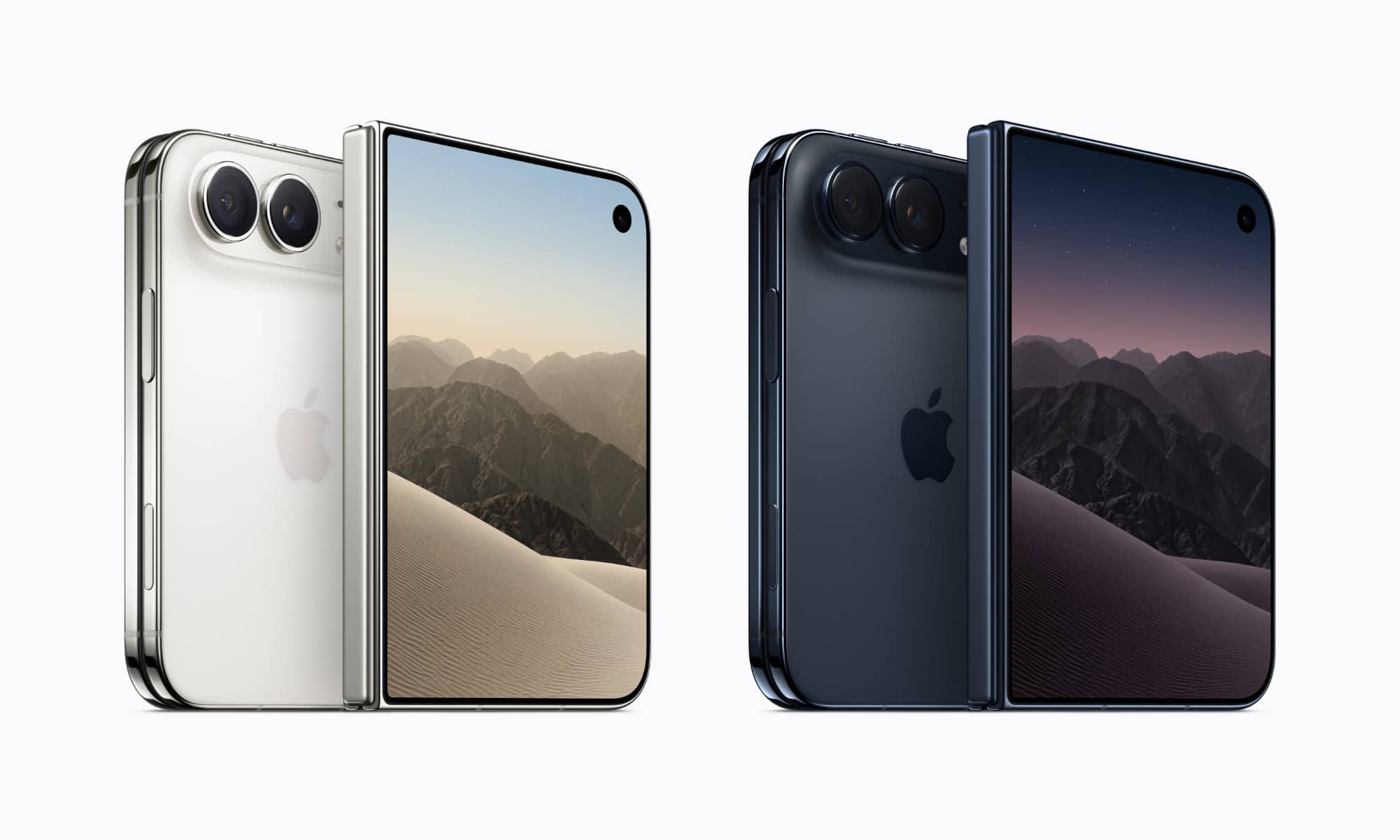
It only takes a glance to realize that the iPhone Duo has a lesser camera system, with only Main and Ultra Wide lenses that put it roughly on par with the iPhone 17. The sensor may have been slightly upgraded, and the A20 Pro chip offers a better image processing pipeline that delivers support for new Photographic Styles, but for the most part you’re getting Apple’s standard two-camera system.
However, once we move beyond the cameras and obvious design differences, there are a few other interesting little surprises — both positive and negative — that make the iPhone Duo a horse of a slightly different color from both the traditional iPhone models and its foldable rivals. Read on for 7 surprising things about Apple's new iPhone Duo.
The Inside Camera Remains a Mystery

While the rear cameras are roughly on par with the iPhone 17, both the “front” cameras — the ones on the outer and inner screens — are actually a notch behind.
The primary front camera on the outer display is actually only a 12-megapixel camera. That’s the same resolution as the iPhone 17e and iPhone 16 lineup, although it does benefit from offering Center Stage support to keep everyone in the frame while also taking landscape group shots without the need to turn the iPhone Duo sideways.
The resulting photos are still 12 MP, so this suggests Apple is still using a square sensor to handle both portrait and landscape shots — likely 16 MP based on the aspect ratios. However, the overall resolution is still lower than the iPhone 17, iPhone Air, and iPhone 18 Pro models, all of which offer an 18 MP Center Stage camera with a 24 MP internal sensor (the iPhone 18 Pro lineup was rumored to get a 24 MP selfie camera, but it’s likely analysts were just conflating the physical sensor size with the resulting photos).
More significantly, the under-display FaceTime camera on the inside of the iPhone Duo is a complete mystery. Apple isn’t publishing any specs for that, beyond 1080p video recording at 30 fps or 60 fps. This suggests it could be considerably lower resolution, considering the primary front camera can still do 4K Dolby Vision at up to 60 fps. It does have an f/1.8 aperture, which should allow for better low-light capture, but it might also need that just to punch through the screen, since it’s buried entirely under the display.
No Action Button

The iPhone Duo is also the first new iPhone to be released in two years without an Action button, and that could be more limiting than you might realize at first glance.
The Action button has only been a thing since the iPhone 15 Pro added it in 2023, and while the iPhone 16 made it a common standard — it even came to the iPhone 16e — anybody with an older iPhone might not think they’ll miss it.
However, it’s important to note that the Action button replaced the ring/silent switch that had been a standard control from the very first iPhone in 2007. In fact, while the Action button could be customized, silent mode was its default behavior out of the box.
The catch? The Action button is missing on the iPhone Duo, but the ring/silent switch isn’t coming back either. If you want to mute your iPhone, you’ll need to rely on software controls to do so.
The iPhone Duo does have the Camera control — a button that’s missing from Apple’s entry-level e-series models — but we’re wondering how many folks might have preferred Apple go that route with the iPhone Duo, omitting the Camera Control in favor of the far more versatile Action button.
MagSafe Charging (with a Catch)
Over the past few months there was a fair bit of back-and-forth debate as to whether the iPhone Duo would support MagSafe charging. The good news is that it does, and it’s every bit as capable as the iPhone 18 Pro — at least electronically.
Specifically, the iPhone Duo will support MagSafe charging of up to 25W as long as you’re using the right MagSafe charger and a 30W or higher power adapter.
So, anything that can magnetically dock onto the back of the iPhone Duo should be able to charge it, but there is one important caveat: not everything is going to fit nicely.
The passport-style design of the iPhone Duo means there’s not a lot of clearance between the camera bump and the MagSafe ring. That means you’ll want to be careful when shopping for battery packs, because they may not all fit.
It’s not the first time we’ve seen this problem. The iPhone 13 Pro increased the camera bump to the point where it caused a few problems, and the diminutive sizes of the iPhone 12 mini and iPhone 13 mini presented similar problems.
This shouldn’t affect most traditional MagSafe chargers, which are usually just round pucks, but beware of things like wallets and battery packs. Manufactures will undoubtedly begin producing versions made to fit the iPhone Duo, but those may not all appear right away, and be prepared for the fact that accessories you have may not fit the iPhone Duo.
IP68 Dust and Water Resistance

On a positive note, the iPhone Duo is one of the few foldables to offer full IP68 dust and water resistance — to the same standard as other iPhones: a maximum depth of 6 meters up to 30 minutes.
While decent water resistance is fairly common among foldables, dust resistance has always been more challenging due to the nature of hinges and screens. Even Samsung’s latest Galaxy Z Fold 8 only has an IP48 rating (and Samsung’s level 8 water-resistance rating for its phones only certifies them to 1.5 meters of immersion).
To be fair, the Google Pixel Fold also now offers an IP68, but the original model only had an IPX8 — which meant it hadn’t been certified for dust resistance at all. Apple is delivering IP68 right out of the gate.
Apple Pencil Support
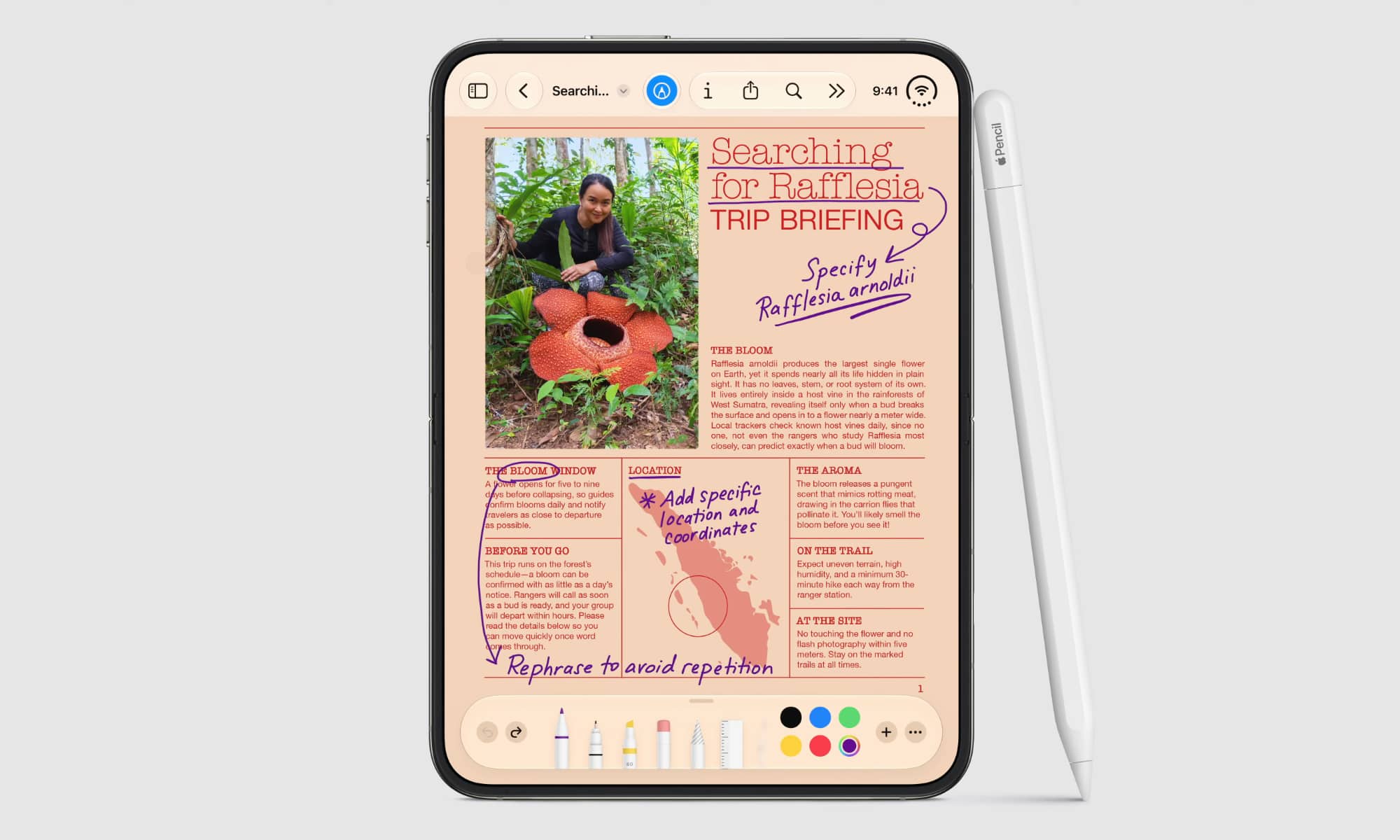
Another pleasant surprise for the iPhone Duo is that Apple is finally bringing Apple Pencil support to an iPhone. Granted, it seems more appropriate for a hybrid device that’s really channeling its iPad side, but it was still a roll of the dice as to whether we’d actually see it.
A report last month said Apple had tested and rejected the idea of creating an Apple Pencil for the iPhone Duo, but it seems that was just about designing a new one specifically for the foldable. Instead, Apple is simply letting it work with the base Apple Pencil USB-C model it already sells.
There won’t be anywhere to stow the stylus, and the size will make it pretty awkward to carry along, as it’s about two inches longer than the folded iPhone Duo (and about the same length as the long edge when unfolded). But, at least it’s there for anyone who wants it.
That said, if you’re using a higher-end iPad with the Apple Pencil Pro, you’ll need to purchase a new stylus if you want to use one with your iPhone Duo, as the more advanced stylus isn’t supported.
Apple Pencil support also won’t be available at launch; Apple says it’s coming “later this year,” which likely means as part of an iOS 27.2 update (as the iPhone Duo is launching with iOS 27.1).
Exclusive Software Features
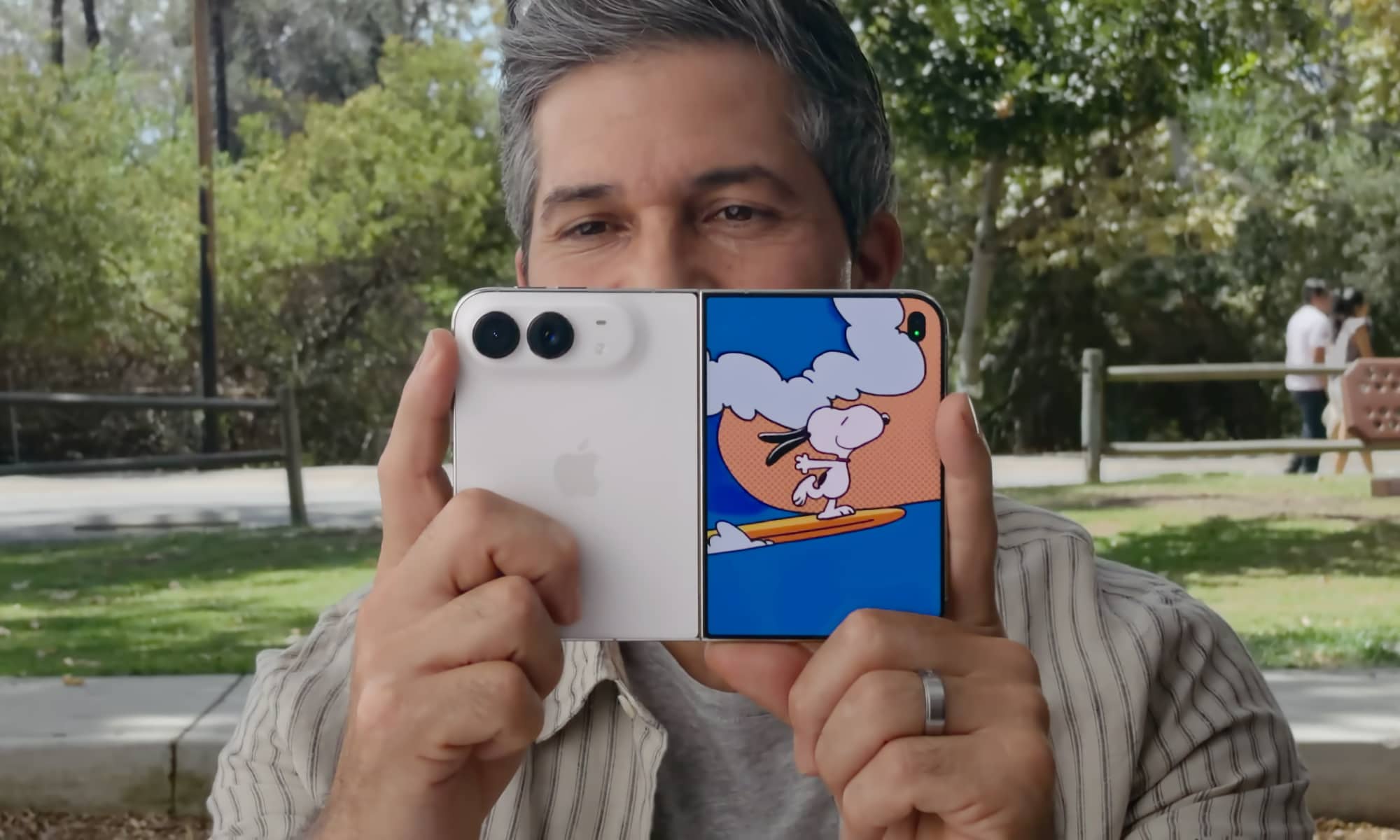
While the iPhone Duo will run the same iOS 27 as the rest of the iPhone lineup, Apple has more than a few special features that will be exclusive to the foldable.
Some of these are obvious from the form factor. Previewing a photo or using FaceTime Duo mode to have two people on a call at once will only work because the iPhone Duo has a second screen.
The same holds true for Kid Cue, which is a feature that will play a Peanuts animation when taking a photo to encourage young kids to smile at the camera. It’s a very clever use of the cover screen (and Apple’s rights to the Peanuts franchise), making it a nice bonus surprise, but obviously there’s no realistic way to bring that to a standard iPhone.
However, Apple is restricting a few other features for reasons that make sense, but are less obvious. For example, Smart Take, which can automatically capture group photos when everyone is posted and looking at the camera, would be handy on the iPhone 18 and iPhone 18 Pro, but understandably fits in more naturally with an iPhone that can be easily propped up on its own without a tripod.
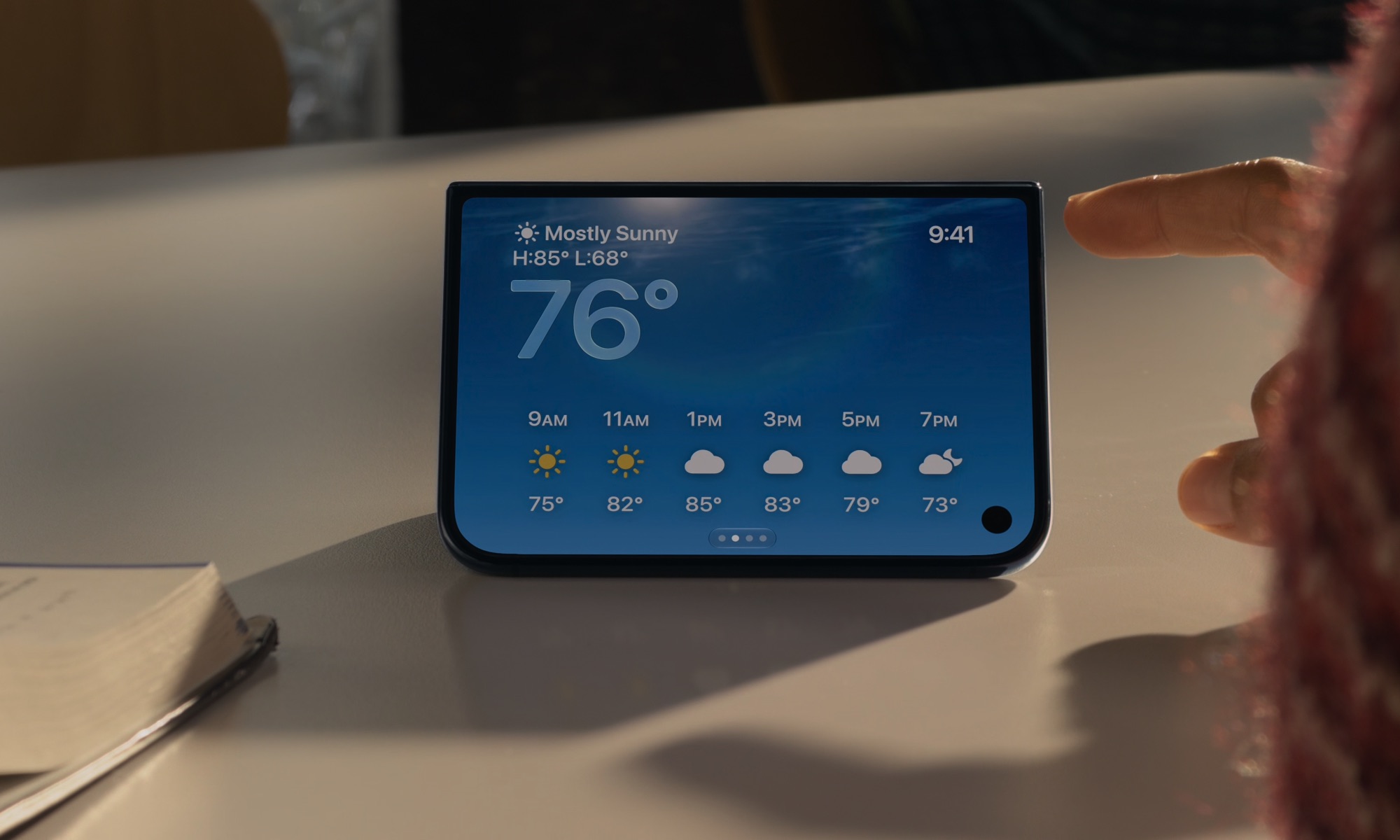
The same goes for the more advanced StandBy mode. While the iPhone 18 Pro and iPhone 18 Pro Max have the same StandBy features that have been the norm since the iPhone 14 models added the Always-On Display, the iPhone Duo will be able to engage StandBy mode without being connected to a charger, since the foldable nature lets it be easily propped up without a stand.
Still, much like split-screen multitasking, which is also naturally coming to the iPhone Duo, these are all features that would be very useful on Apple’s other iPhone models. Sure, we’d need to add our own tripods or stands, and navigate smaller screens, but there seems to be no hardware reason they can’t be there. It’s purely Apple deciding to limit them from a user experience perspective.
Apps Will Need to Be Updated

Although Apple’s iPhone Duo demos looked gorgeous yesterday, showing apps seamlessly transitioning and unfolding onto the larger screen as the iPhone Duo was opened, it’s significant that Apple only showed this working mostly with its own first-party apps.
That’s because developers will very much need to update their apps to take advantage of the iPhone Duo’s displays. In fact, non-updated apps will look awkward on the outer screen, and downright silly on the inside.
Apps that haven’t even been updated to iOS 27 will fare the worst. They’ll simply be shown in a standard iPhone aspect ratio. That will leave some blank space on the outer screen — effectively a black bar on the right where the clock and status ring live — but will simply drop them right into the centre of a black screen when unfolded.
The good news is that as long as apps have been updated for iOS 27, they’ll unfold to nearly the full width of the screen. There will still be some blank space in the status bar area on the right on both screens, but it won’t be too bad.
However, to get the full iPhone Duo experience, apps will need to be recompiled for iOS 27.1 — the version of iOS that’s shipping with the new foldable. The good news is that it doesn’t appear developers need to anything special to offer basic full-screen support, although there will be some extra steps if they really want to take full advantage of what the new device is capable of.