Long-Awaited TikTok Agreement Officially Seals Its Future in the US
 Ascannio / Shutterstock
Toggle Dark Mode
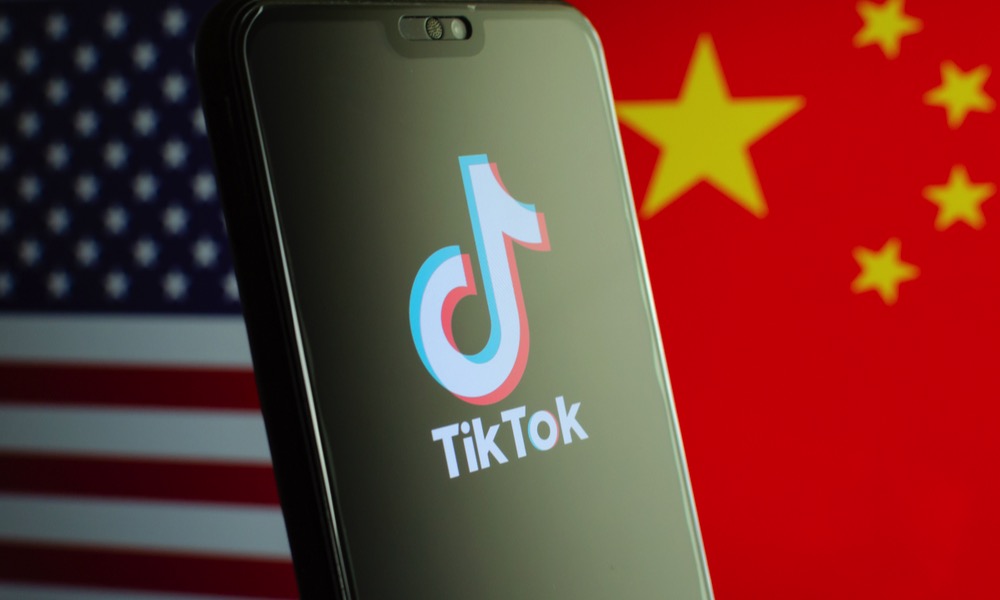
After nearly two years of wondering if the popular social media app would continue to exist in the US, the TikTok saga has officially come to a conclusion — albeit with more of a contented sigh than a celebratory bang.
Following a report in December that TikTok’s Chinese parent company ByteDance had come to an agreement to divest control of the social media service into “non-adversarial” corporate hands, it seems that the ink is now dry. As of this week, TikTok in the US is now owned by TikTok USDS Joint Venture LLC, a conglomerate that leaves only 19.9 percent of the social media network in the hands of ByteDance.
The New Power Structure: Who Owns TikTok?
The other 80.1 percent is owned by various investors, the largest of which are Oracle, US investment firm Silver Lake, and Abu Dhabi investment firm MGX (a foreign but “non-adversarial” partner), each holding 15% as the three “managing investors.” The other 35.1 percent includes a smattering of smaller investors, including Michael Dell (of Dell Technologies), Vastmere Strategic Investments (an affiliate of Susquehanna), Alpha Wave Partners, Revolution, and several other firms most of us have likely never heard of.
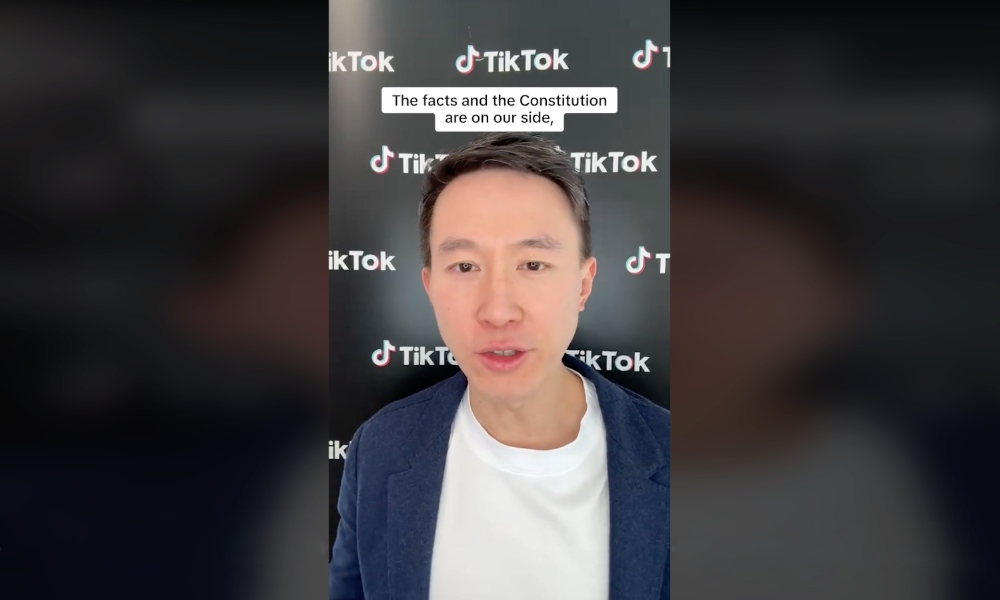
Notably, TikTok CEO Shou Chew will remain at the helm of TikTok itself as chief executive, as well as joining the board of directors of the new joint venture. However, the overall control will be in the hands of Adam Presser, who the board appointed as CEO of the TikTok USDS Joint Venture, and longtime cybersecurity veteran Will Farrell (not to be confused with the other Will Ferrell) who has been appointed as Chief Security Officer. Other directors will be drawn from the C-suites of the three “managing investors” and the smaller investment firms backing it.
A Six-Year Odyssey: The Long Road to Divestiture
The announcement marks a final end to six years of on-and-off controversy over the social media app, which many US regulators feared was funnelling information to Chinese state authorities. The first wave began during President Donald Trump’s first term, when he pushed for Apple to remove “untrusted” Chinese apps from the App Store — including TikTok and others like WeChat.
In the summer of 2020, Trump issued an ultimatum that TikTok had to sell to a US company with 45 days or be banned, citing them as threats to national security. Trump later extended that to 90 days, but ByteDance succeeded in getting a preliminary injunction that lasted until President Joe Biden took office and signed an executive order revoking the ban and ordering a new investigation into whether TikTok truly represented a threat to national security.
After that, things got relatively quiet for a while. The US government banned TikTok from government-owned devices in late 2022 — and several other western countries followed suit — but it wasn’t until early 2024 that the US Congress seemed ready to take broader action.
In March 2024, Congress passed the Protecting Americans From Foreign Adversary Controlled Applications Act (PAFACA), a bipartisan bill that passed in an overwhelmingly favorable 352-65 vote in the US House of Representatives, and subsequently made it through the Senate with only minor modifications that mostly just extended the compliance deadline from five months to nine. The bill was similar to President Trump’s original 2020 ultimatum: sell TikTok to a US company or have its plug pulled.
In April, President Joe Biden signed the bill into law, starting the clock ticking on the nine-month deadline, which perhaps ironically turned to be January 19, 2025 — right before inauguration day.
Unsurprisingly, TikTok fought the matter all the way to the Supreme Court, which upheld PAFACA in a unanimous 9-0 decision at the eleventh hour. At that point, it looked like a ban on TikTok was inevitable, and for a few hours overnight between January 18 and 19, that’s exactly what happened.
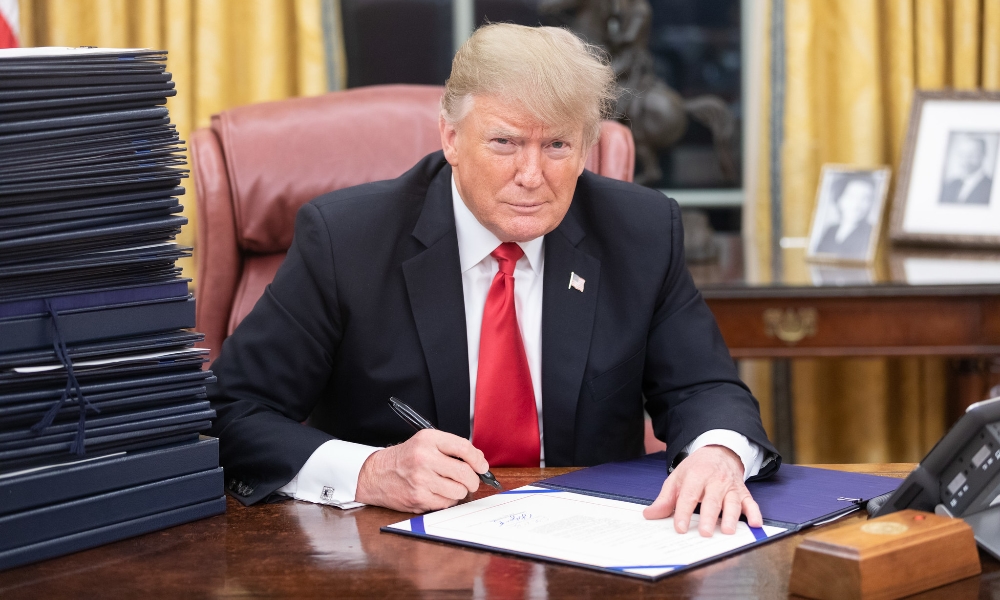
However, then-President elect Trump had promised to save TikTok, and with his inauguration only 24 hours away, he convinced the Akamai and Oracle, the companies that ran TikTok in the US, to restore operations on January 19. True to his word, one of the first executive orders he signed after sitting down in the Oval Office the next day was to effectively stay TikTok’s execution by ordering the Justice Department not to enforce the ban.
While that was enough to satisfy the service providers, it took a bit more effort to convince Apple and Google to restore TikTok to their respective app stores, as a law is still a law, even if it’s not being enforced. However, by mid-February, things had returned to business as usual, with President Trump signing new executive orders every few weeks to grant more extensions.
Many legal experts questioned whether this was strictly in the President’s authority, as he was effectively overruling a bill passed by Congress by refusing to allow the executive branch to enforce it. Nevertheless, the results are clearly on Trump’s side, as the extra time he bought seems to have worked out.
It may have taken almost three times longer than the original deadline, but the “qualified divestiture” requirement of PAFACA has now been met, which means TikTok and its sibling apps, CapCut and Lemon 8, can now continue operating in the US unimpeded. Whether the social network will remain the same is an open question — TikTok USDS will be overhauling the algorithm that personalizes user feeds on digital “US soil,” but it’s hard to say what the fallout will be from that, if any, until those changes are made.