End of an Era: The Original iPhone SE Is Now ‘Obsolete’
Toggle Dark Mode
Apple adds new products to its vintage and obsolete list several times each year, and many are pretty uneventful. Still, every once in a while, we see one that hits a little harder.
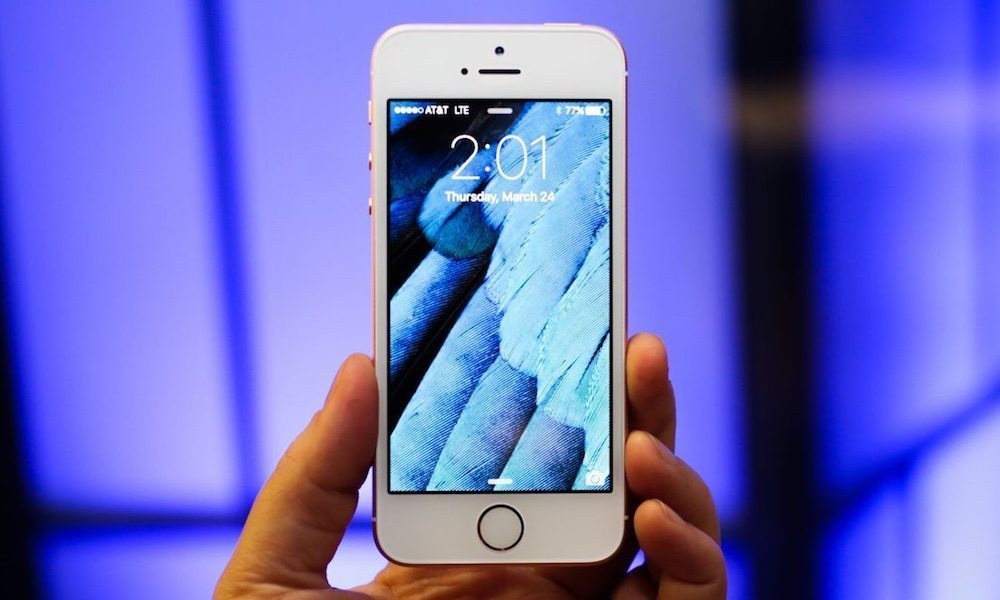
Such is the case with today’s update, which renders the original 2016 iPhone SE officially “obsolete” by Apple’s standard. That means you’ll no longer be able to get official repairs for the nine-year-old model — even if you’re willing to pay for them.
That’s because Apple no longer makes the necessary parts. “Obsolete” is the last stage of a process that begins with about a two-year window during which a product is considered “vintage.” In that phase, products are long out of warranty, but Apple and its authorized service partners will still provide repairs on a best effort basis.
As Apple describes it, “Products are considered vintage when Apple stopped distributing them for sale more than 5 and less than 7 years ago.” At the seven-year mark, they become obsolete — a milestone the original iPhone SE hit this year, having been discontinued in September 2018.
Four other products are joining the first-generation iPhone SE on the obsolete list today: the second-generation 12.9-inch iPad Pro (released in 2016), the special edition Nike and Hermes models of the 2018 Apple Watch Series 4, and the Beats Pill 2.0. Other Apple Watch Series 4 models remain on the vintage list, as Apple continued to sell the standard models until September 2019.
The Last of the 4-Inch Phones
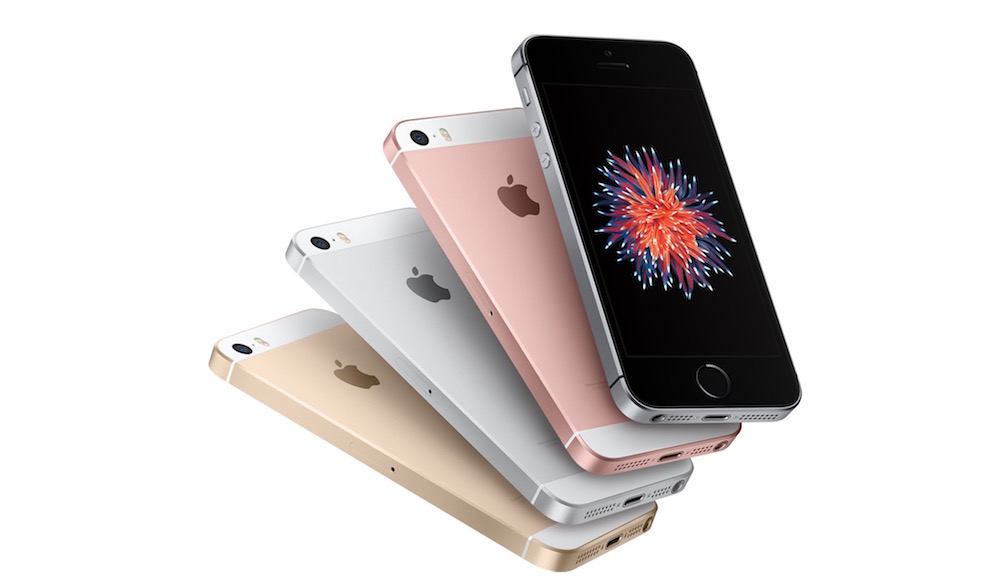
The iPhone SE debuted in 2016 into a smartphone landscape that was very different from today. With the exception of an ill-fated iPhone 5c experiment in 2013, Apple had only a single tier of iPhone models — and, for seven years, each model had come in only one size.
That changed in 2014 when Apple decided to give in to the demand for larger screens spurred on by Android rivals. With the iPhone 6, it moved from the 4-inch display that it had introduced on the iPhone 5 in 2012 to a 4.7-inch display. For those who wanted something even bigger, Apple added an “iPhone 6 Plus” to the lineup, with a larger 5.5-inch screen. Thus began the dual-size strategy that’s common to this day.
However, not everyone was a fan of the larger screens. While 0.7 inches doesn’t seem like a lot on paper, it makes a big difference in your hand — and your pocket. The iPhone 6 was a little over half an inch taller and a third of an inch wider than the iPhone 5s it replaced. Apple managed to shave a little bit off the thickness, but that hardly made up for the larger footprint.
As much as some were clamouring for larger screens, there were still quite a few Apple fans who weren’t ready to make the jump. They longed for the days of more pocketable iPhones. Some stubbornly held onto their iPhone 5s models, but when the 2015 iPhone 6s release made it clear those days weren’t coming back, those customers were left missing out on new features — and Apple was missing out on new sales.
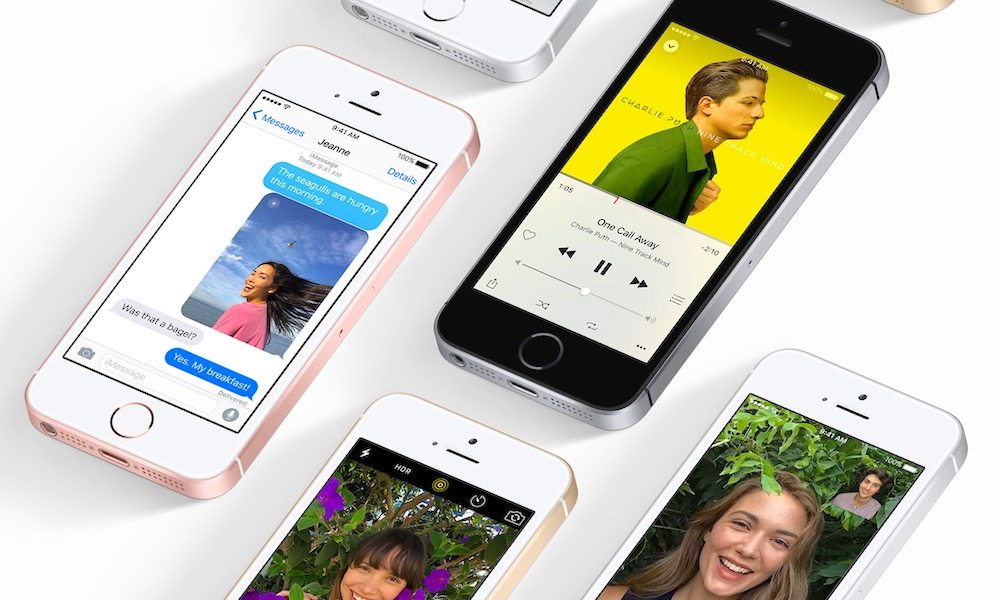
More likely spurred by the second of those reasons, Apple decided to resurrect the iPhone 5s design in a new model. In early 2016, about six months after the iPhone 6s debuted, the iPhone SE was born.
For the most part, the iPhone SE was an iPhone 5s with a new chip. Teardowns showed it to be a Frankensteinian mix of 5s and 6s parts: the A9 chip, NFC module, inertial sensors, and rear camera all came from the 6s, while the display and front camera were those of the 5s.
The new model turned out to be overwhelmingly popular, showing just how many folks still wanted a smaller iPhone — at least in 2016. The budget price likely didn’t hurt either. The iPhone SE was the top-selling smartphone in the quarter after it went on sale, but after an initial burst that likely just satisfied pent-up demand, the smaller iPhone’s future became murky.
While some still hoped we’d see a more powerful successor in the same form factor, it seems Apple had other plans. In 2020, it released a new iPhone SE that followed the strategy of the original, rather than its design. The 2016 iPhone SE had been a spec upgrade to a 2.5-year-old predecessor, melding the design of the 2013 iPhone 5s with the chip of the 2016 iPhone 6s, and the 2020 iPhone SE was the same thing, borrowing the design of the 2017 iPhone 8 while adding in the A13 chip from the 2019 iPhone 11.
The ‘Mini’ Experiment
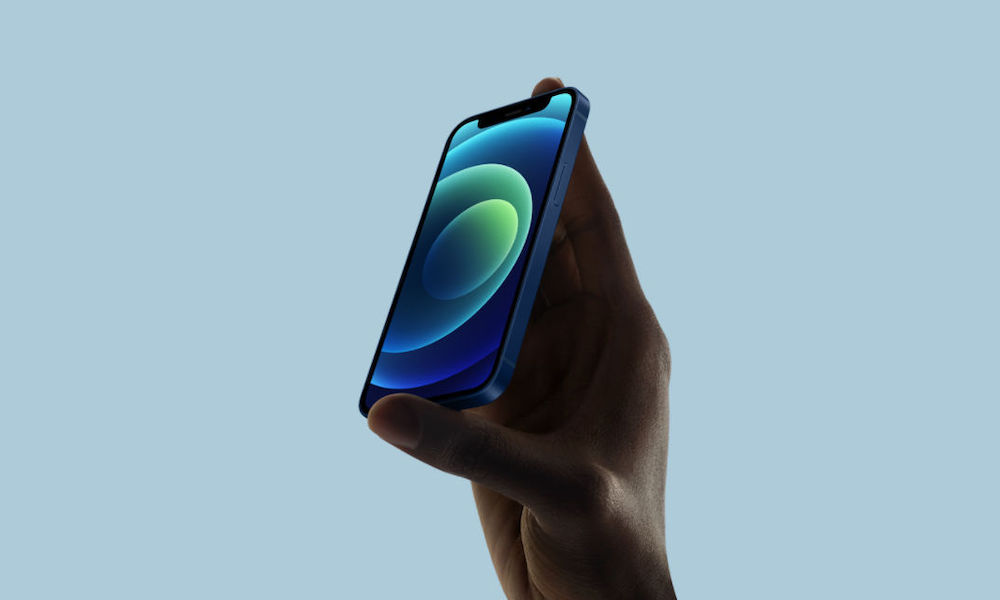
Apple fans who wanted a truly pocketable iPhone were disappointed, but Apple had what it hoped was a better solution for those folks. Five months after the second-generation iPhone SE debuted, Apple unveiled the iPhone 12 mini, promising modern specs in a small form factor.
The iPhone 12 mini wasn’t quite as small as the original iPhone SE, but at less than 10 millimetres more in height and width, it was close enough — especially since it also boasted a 5.4-inch screen, thanks to the modern edge-to-edge design. This should have been an answer to prayer for anyone looking for a smaller iPhone, but the reviews were mixed, with many criticizing the poor battery life and 64 GB starting point.
Still, those specs were an order of magnitude better than the original iPhone SE. However, if there’s one thing the iPhone mini proved, it was that the world had moved on, and the demand for smaller smartphones just wasn’t what it had once been.
The iPhone 12 mini was a poor seller, accounting for a mere 5% of global iPhone sales and failing to make the top ten list of smartphones activated that holiday season — despite 9 of the smartphones on that list being iPhones. To be fair, the iPhone 12 mini had an awkward launch, so Apple gave it another kick at the can with the iPhone 13 mini, although that was likely at least partly because the new model was already in the pipeline.
The iPhone 13 mini boasted a bigger battery and other improvements, but that wasn’t enough; the iPhone mini turned out to be a flop, and Apple gave up on the 5.4-inch design.
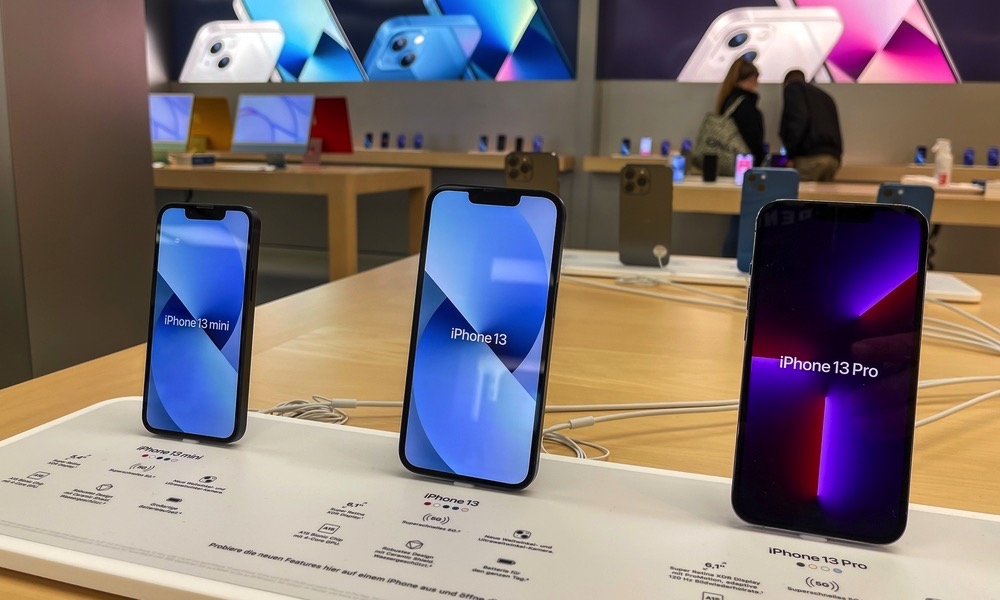
Today, the smartphone market has settled into the comfort zone of 6-inch-plus screens, and they seem to be edging larger. The iPhone Pro has gone from 5.8 inches to 6.3 inches over the last few years, and the iPhone 17 Pro Max now boasts a 6.9-inch display — a size that would have once been considered a “phablet.”
Still, it also seems customers who want phones that big are also willing to pay for flagship features, as the lackluster sales of the 2022–2024 iPhone Plus era shows. While the original iPhone SE was a hot seller for its time, Apple has since failed to find a strong footing for a fourth tier in its primary lineup: it’s gone smaller, it’s gone bigger, and this year it decided to go thinner with the iPhone Air, but each of these attempts has resulted in products that are dwarfed in sales by Apple’s standard and pro models.
Today’s spiritual successor to the original iPhone SE is a device we wouldn’t have even imagined in 2016. The iPhone 16e replaced the “SE” lineup with an entry-level model in the modern iPhone 16 family. While it still followed some of the SE playbook by using the chassis and screen from the 2.5-year-old iPhone 14, it has much more in common with the mainstream iPhone 16 models than any of its SE ancestors. It’s enough to make us wonder what today’s iPhone landscape would look like if, nine years ago, Apple had released an “iPhone 6e” instead of the iPhone SE.