Freefalling: iPhone Air Resale Value Plummets 47%
Toggle Dark Mode
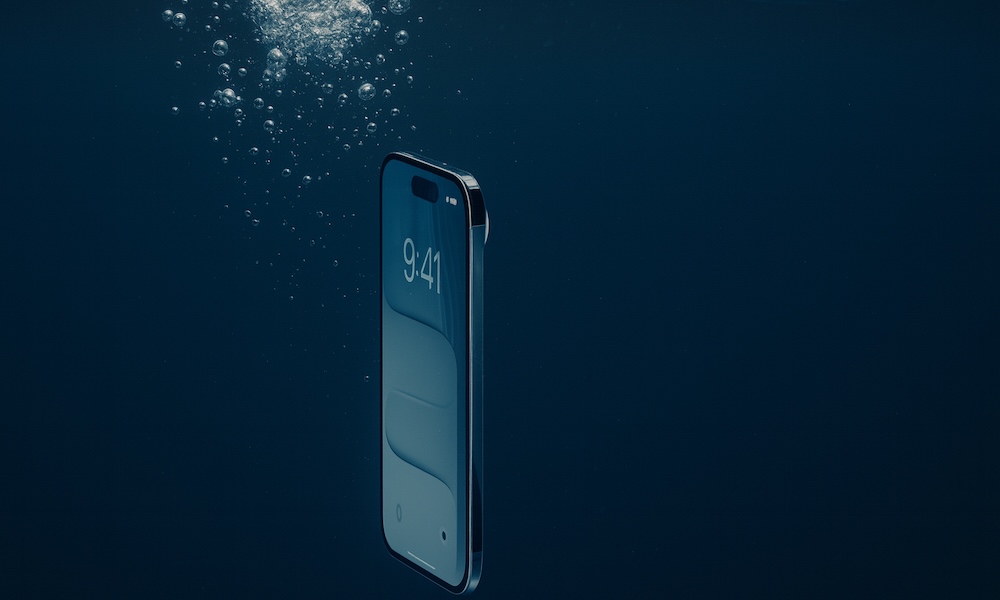
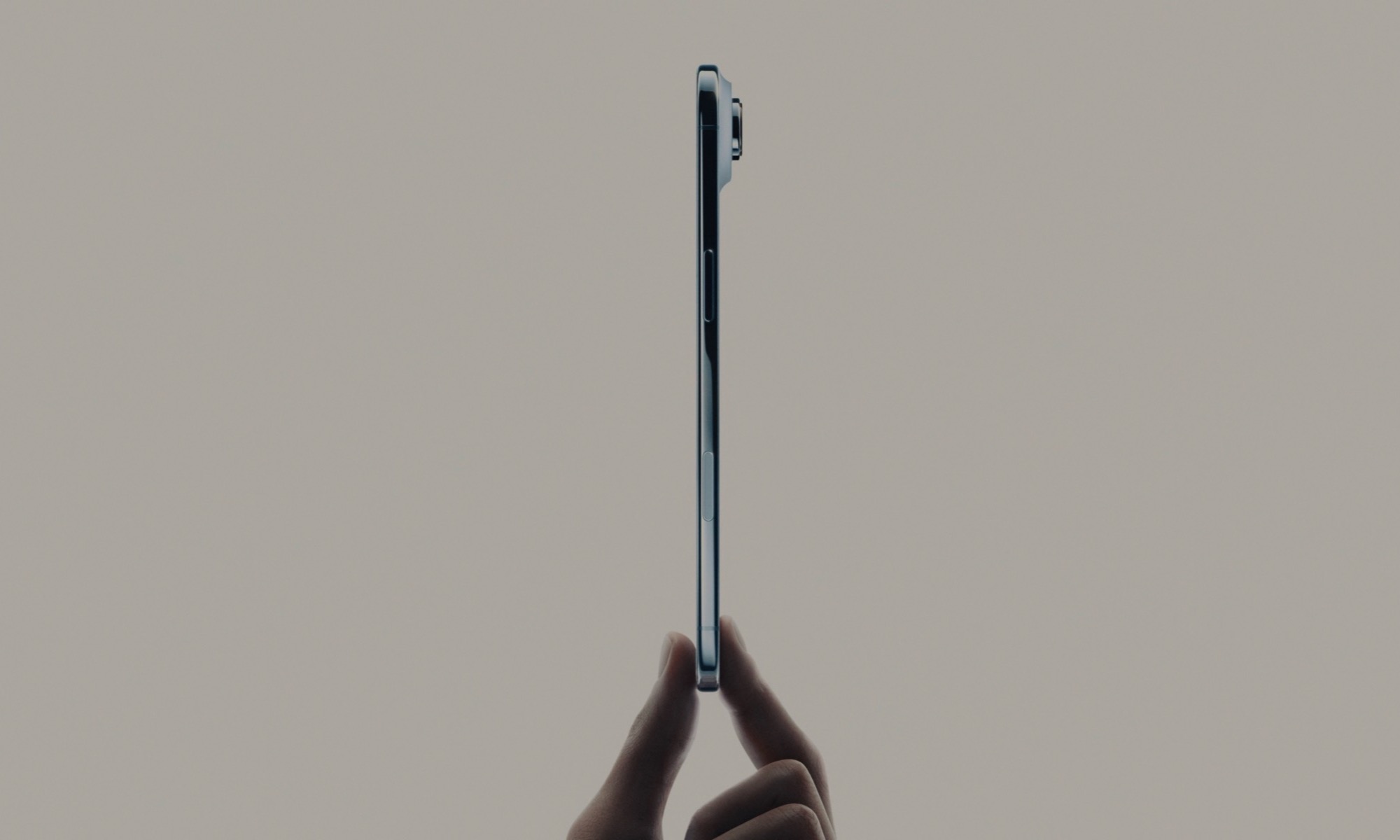
The iPhone Air was this year’s most highly anticipated new Apple device. It’s Apple’s thinnest iPhone ever (and the lightest, too), powered by the latest A19 Pro chip with the same performance specs as the iPhone 17. There’s no doubt the iPhone Air is a premium product, sporting a titanium frame and Ceramic Shield 2 glass on the front and rear, just like the iPhone 17 Pro.
For most casual users, the iPhone Air meets every need with little complaint. Performing everyday tasks like calls, messages, browsing, and streaming is a pleasant experience. Even heavier apps and games will run smoothly. It’s a fresh new design, it’s light in the hand, and it offers maximum portability. At 6.5 inches, the screen is also a bit larger than that of the 6.3-inch iPhone 17 and 17 Pro, sitting between those models and the flagship 6.9-inch iPhone 17 Pro Max. Its sleek new aesthetic and strong performance make for a more exciting upgrade and stronger sense of novelty than a new iPhone 17.
Despite Apple’s engineering accomplishments, the iPhone Air has taken its lumps. For starters, the Air starts at $999 — a $200 premium over the iPhone 17, and only $100 shy of the iPhone 17 Pro. The iPhone Air’s primary criticisms are hard to ignore: a single rear camera, modest battery life, and reports of performance throttling. It also relies on a single speaker located in the earpiece at the top of the device and lacks wired video output — a feature many long-time iPhone users would understandably take for granted.
Both the iPhone 17 and 17 Pro have dual speakers that deliver better sound quality — in stereo, rather than mono — and more versatile camera systems. You can also connect them to an external monitor or TV, like nearly every other iPhone released in the past 14 years. The iPhone Air is clearly about getting folks to pay for the “wow factor.”
However, a recent report reveals that iPhone Air owners are putting more money on the line than just the upfront cost. According to SellCell, the iPhone Air is the fastest depreciating iPhone ever, losing as much as 47.7% of its value within 10 weeks. Compared to the other iPhone 17 models, the Air loses nearly 10% more value by week 10. But that’s not the end of the story. While the value of the other iPhone 17 models stabilizes around week 10, the iPhone Air’s depreciation continues.
The drawbacks of the iPhone Air are undoubtedly influencing its resale value. If you’re a price-conscious consumer who relies on trading in your current iPhone to offset upgrade costs, these depreciation figures are yet another factor to consider. Apple isn’t likely to give up on the iPhone Air despite some recent reports. Perhaps the second-generation model will earn its way into the hearts and wallets of more consumers, but until the specs match the price tag, the premium might cost early adopters more than they bargained for — both at the register and at resale.