Apple Refuses to Let the iPhone 5s Die | A Surprise 2026 Update for a 2013 Classic
 Hadrian / Shutterstock
Toggle Dark Mode
The longevity of the iPhone’s software has long been the envy of Android fans. Apple has nearly always supported its iPhones with iOS updates for at least five years, even back in the days when others were lucky to get even one or two updates.
It’s fair to say that Apple’s rivals have caught up, with Google and Samsung now promising up to seven years of software updates and security patches, at least for their flagship models. While Apple doesn’t advertise any specific timelines for the iPhone, it also doesn’t need to as it’s already proven itself. The iPhone 11, initially released with iOS 13 in 2019, can still be updated to iOS 26. That’s six major software updates, since iOS 26 followed iOS 18 when Apple switched to new year-based numbering to keep all its operating systems more consistent.
That’s just for major version updates. Apple goes much further when it comes to security patches. Last September, it shipped out iOS 15.8.5, a small maintenance and security fix for older iPhones that can’ be updated beyond that, including the 2015 iPhone 6s.
However, Apple just broke even its own support record yesterday. In addition to another round of iOS 15 and iOS 16 patches — the only other legacy versions it still maintains, since no iPhone models were ever permanently ‘stuck’ on iOS 13 or 14 — Apple also released iOS 12.5.8 for the iPhone 5s.
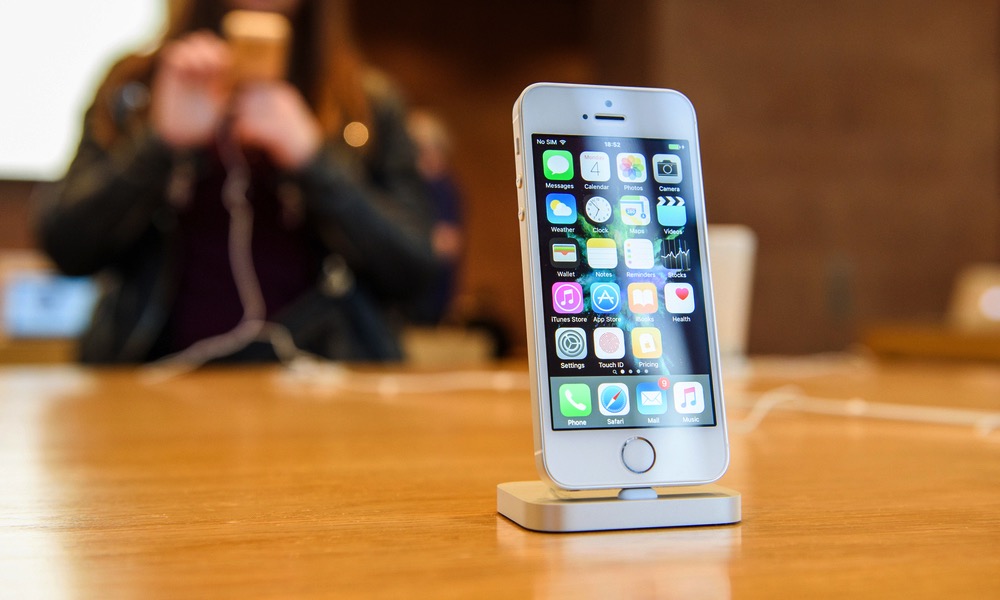
You read that right. Apple just released a new software update for an iPhone that was released over 12 years ago — and is now entering its 13th year of functional life, despite being off the market for nearly nine years.
This same update also applies to the Phone 6 and iPhone 6 Plus, but that hasn’t had a significantly longer lifespan. First released in 2014, it was mostly discontinued in September 2016, except for a lone 32 GB “budget” model that was sold in several foreign markets until 2018.
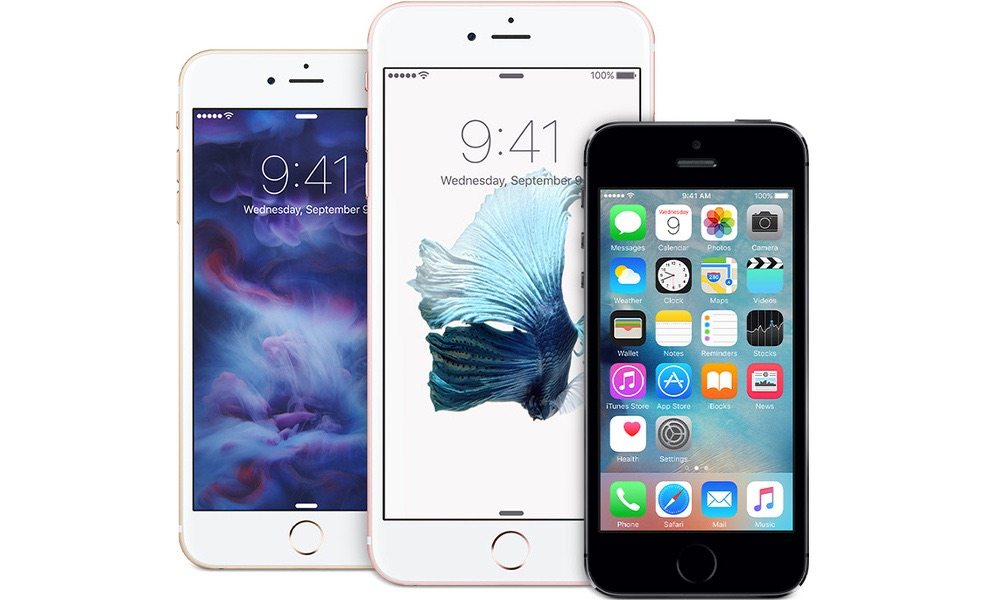
Needless to say, both iPhone models have been on Apple’s Obsolete Products List for a couple of years. We last saw an iOS 12 update just over three years ago, on January 23, 2023. At that time, the iPhones stuck iOS 12 were already on the vintage list, and were approaching the seven-year mark to be dropped to “obsolete” status. iOS 12.5.7 fixed a critical WebKit vulnerability that had already been actively exploited.
This week’s iOS 12.5.8 release isn’t so much about closing security holes as it is ensuring that folks with an iPhone 5s, iPhone 6, or iPhone 6 Plus can continue using iMessage and FaceTime. According to the release notes, the patch updates the encryption certificates needed to keep these services working:
This update extends the certificate required by features such as iMessage, FaceTime, and device activation to continue working after January 2027.
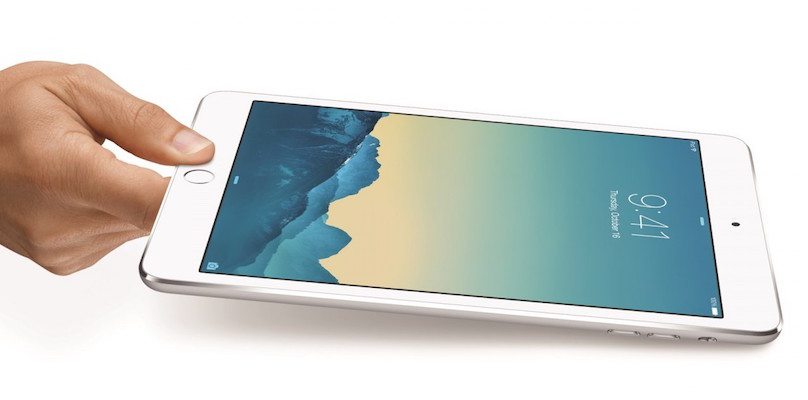
The iOS 12.5.8 update is also available for the iPad Air, iPad mini 2, iPad mini 3, and sixth-generation iPod touch. Apple lists it as “iPadOS 12.5.8” on its security releases page, but iOS didn’t actually fork off into iPadOS until the following year.
These updates are nice bonuses for anyone who might still be using one of these older devices strictly for messaging or FaceTime, but they also fly in the face of those who would accuse Apple of planned obsolescence to force folks into upgrading to new devices.
After all, Apple has long since fully dropped all support for every one of these iOS 12 devices — their presence on the “obsolete” list means that Apple won’t fix the hardware even if you pay them, as the parts are no longer available.
No reasonable person would have blamed Apple for leaving these relatively ancient devices to wither on the vine when the FaceTime and iMessage certificates expire next year, especially since third-party developers have already long since abandoned iOS 12. YouTube requires iOS 16 or later, while Netflix draws the line at iOS 18, and many banking and shopping apps sit between those numbers. However, the iOS 12.5.8 update means that you won’t be forced to replace an old iPad or iPhone you’ve given to your kids or elderly family member to say in touch with them.