Apple Prepares for RCS End-to-End Encryption in iOS 26.3
Toggle Dark Mode
Following its usual holiday hiatus, Apple released the second developer betas of iOS 26.3 et al earlier this week, ramping up toward what will likely be a public release later this month or early in February.
While iOS 26.3 doesn’t have nearly as many new user-facing features as the last two updates, code in the latest betas hints at a significant cross-platform change that many have been waiting for: encrypted RCS messaging.
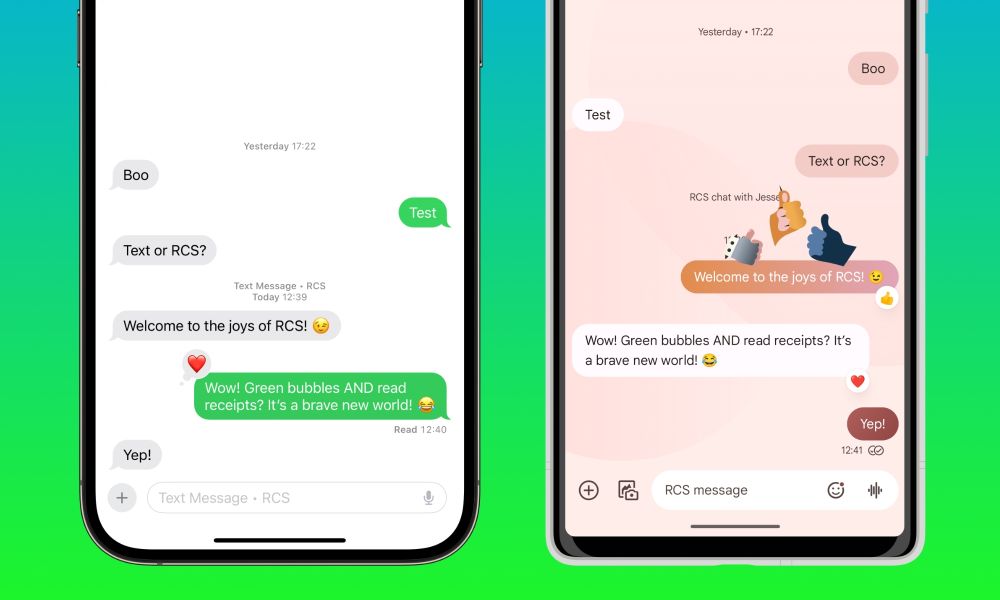
RCS, which stands for Rich Communication Services, was intended to be the original successor to SMS, adding features like read receipts, typing indicators, and integrated support for photos and videos. RCS was proposed several years before Apple even came up with iMessage, but carrier politics prevented it from really taking off until Google put its weight behind it to force the issue on the Android side.
Over the years since, Google has also put pressure on Apple to get on board, but the iPhone maker stubbornly held out for years. It wasn’t until China insisted that Apple finally brought RCS to the iPhone in iOS 18, enabling full-featured messaging between iOS and Android users.
Sadly, Apple’s implementation of RCS was lacking one thing that had become the norm for users of Google’s Messages app: full end-to-end encryption (E2EE). This meant that only conversations between iMessage users on Apple devices were truly secure; chats with green bubbles — whether using RCS or the older SMS standard — still travelled in the clear.
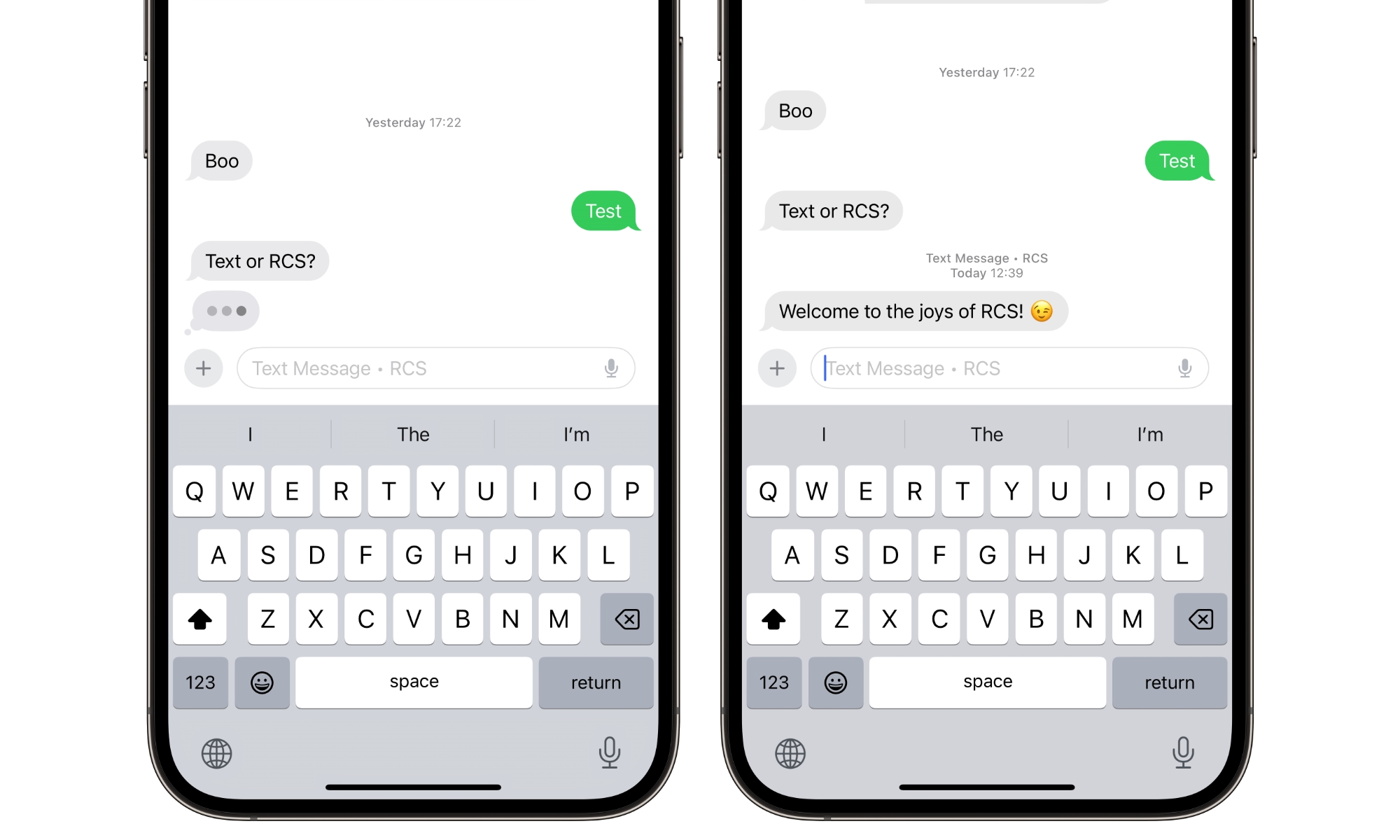
To be fair, this wasn’t Apple being intransigent. The iPhone’s version of RCS fully embraced the RCS Universal Profile — the standard as developed by the GSM Association (GSMA), the trade group of global cellular carriers. The problem is that this standard didn’t include end-to-end encryption. That was something Google had cooked up on its own. Apple was understandably reluctant to add a proprietary extension to RCS, so it played things purely by the book.
That “book” finally got updated early last year, when the GSMA formally adopted the RCS Universal Profile 3.0 — with full support for E2EE. In March, Apple confirmed that it was committed to adopting the new standard, with full encryption support, but also cautioned that it would take some time to do so, coming in “future software updates.”
Most expected this would arrive in iOS 26, mirroring Apple’s initial RCS rollout, which was announced about 9 months before arriving in iOS 18. However, it seems things have taken a bit longer, as iOS 26.0, 26.1, and 26.2 have arrived with no sign of the communications security improvements.
The good news is that it looks like the third time may be a charm. Code found in iOS 26.3 and shared on X by French developer “Tiino-X83” reveals a new key titled “SupportsE2EE” in the bundles of four carriers operating in France.
I’ve confirmed this by examining the carrier bundles in the latest iOS 26.3 beta for the iPhone 17 Pro Max, which show the setting present in the bundles for Bouygues, Free, Orange, and SFR. However, it’s not all good news, as those four French carriers are the only ones with the “SupportsE2EE” flag in their configuration files — and they’re all set to “False.”
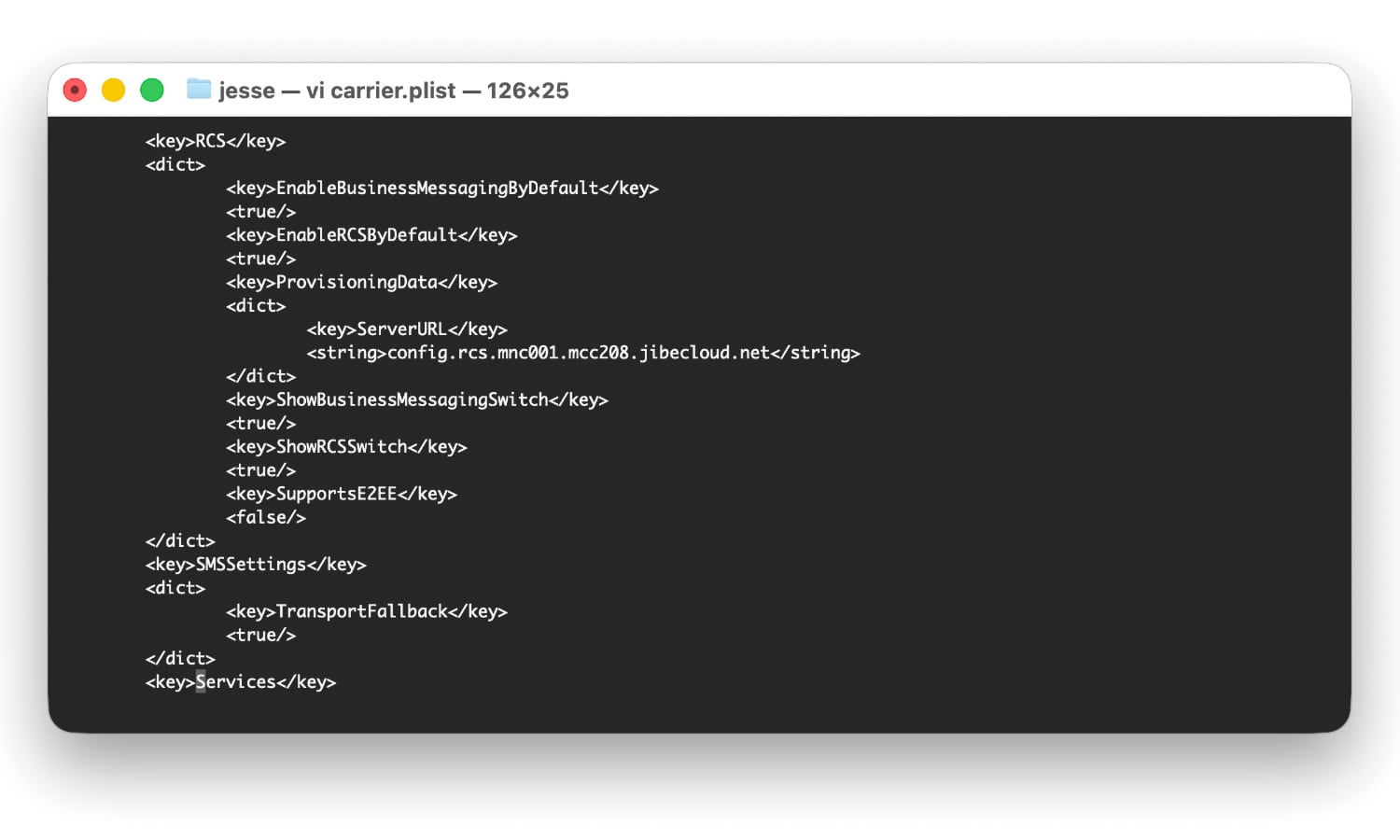
Still, that’s a reasonable precaution during a testing cycle, and what’s more important is that this setting exists at all. It’s the first hint we’ve seen that Apple is actually laying the groundwork for this. We’re only on the second iOS 26.3 beta, so there’s plenty of time for this to be ready for the final release. These configuration files only determine whether E2EE support is enabled for a given carrier, and their presence makes it likely that Apple has already implemented at least some preliminary code for the new RCS Universal Profile in iOS 26.3.
If all the necessary back-end pieces are in place for E2EE support in RCS, then it’s just a matter of the carrier bundles switching it on. Thankfully, that won’t be entirely up to the carriers, as the GSMA 3.0 standard lists E2EE as mandatory “unless expressly prohibited by local regulations.” However, in countries where such encryption is deemed illegal, the user must also be expressly informed that their RCS chats are not encrypted.
It remains to be seen how Apple will handle this nuance. Perhaps it will finally give us a new color to reflect encrypted chats, relegating the green bubble to SMS and unencrypted RCS. However, as difficult as it is being green, it could also just as easily slap a lock icon on E2EE chats, like it does for encrypted entities in its Notes and Journal apps, or use some kind of indicator to show when an RCS chat isn’t encrypted.