Is Tracking ICE Protected Speech? ICEblock Wants a Jury to Decide
 Rafael Henrique / Adobe Stock
Toggle Dark Mode
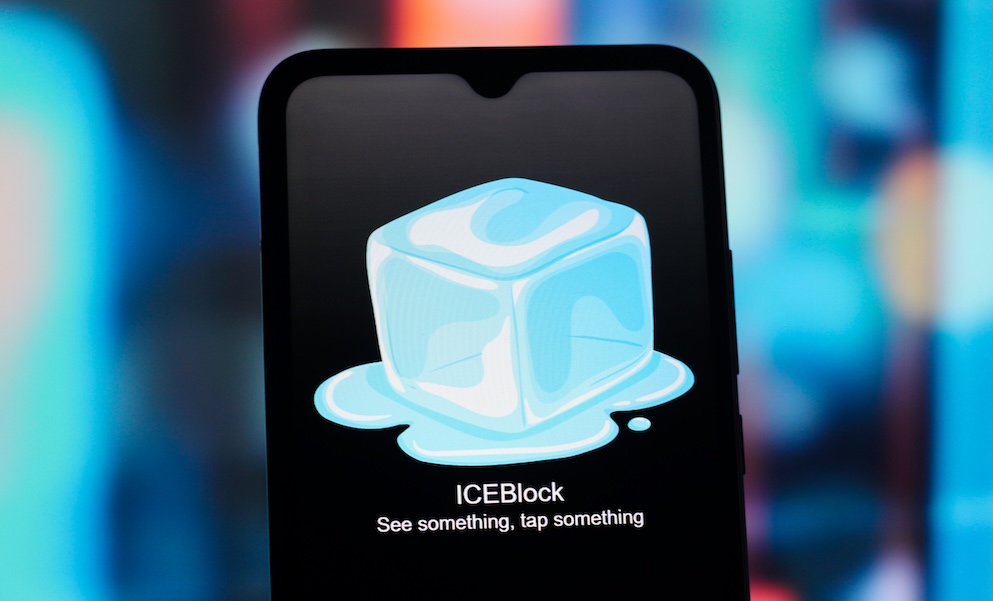
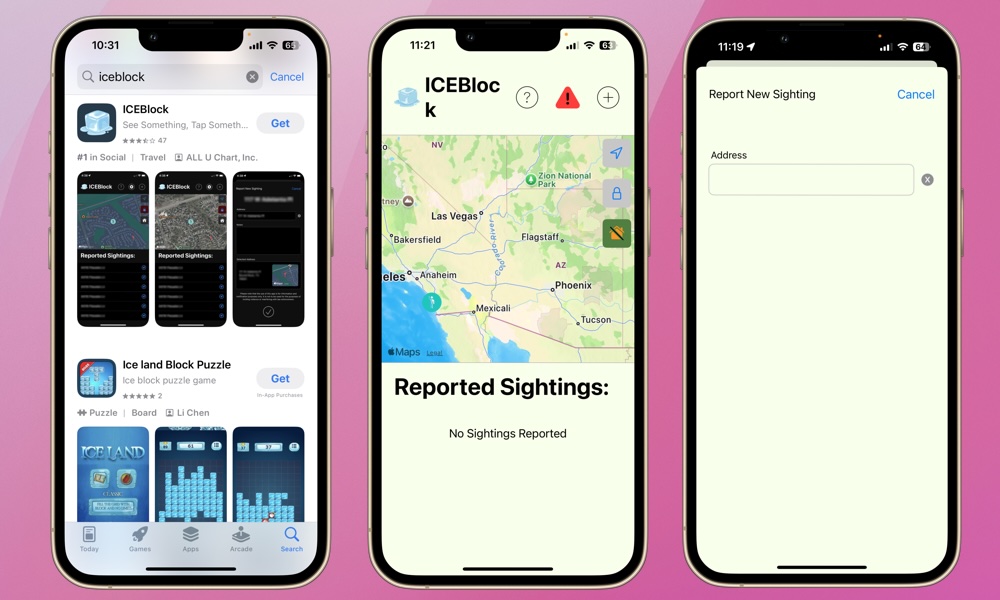
Last summer, Joshua Aaron released ICEBlock, an app that quickly rose to the top of Apple’s App Store charts. Modeled after the popular navigation app, Waze, ICEBlock crowdsourced updates about ICE sightings within a 5-mile radius of a user’s location.
Prominent US officials such as Attorney General Pam Bondi and ICE director Todd Lyons blasted ICEBlock right out of the gate, claiming the app incited violence, interfered with law enforcement, and put agents at risk. More criticism from the Trump administration followed, including US Secretary of Homeland Security Kristi Noem, who called the app an “obstruction of justice,” and said they planned to “go after them and prosecute them.”
Attorney General Bondi warned Aaron in a Fox News interview, “We’re looking at him and he better watch out.” Weeks later, Aaron’s wife was fired from her auditing position at DHS. While things got quiet for a few weeks after that, Apple relented to pressure from the Trump administration and removed ICEBlock from the App Store. Some former Apple employees were outspoken in their criticism of what they viewed as Apple bowing to political pressure. One 22-year company veteran even wrote an open letter to Apple’s CEO Tim Cook.
Although new users can’t download the app, it’s believed to still work on iOS devices. Today, ICEBlock filed a federal complaint in the District of Columbia demanding a jury trial. The complaint alleges unconstitutional threats against Apple and Aaron, as well as a violation of his First Amendment rights. According to the filing, “For what appears to be the first time in Apple’s nearly fifty-year history, Apple removed a U.S.-based app in response to the U.S. government’s demands.”
The Trump administration is still demanding answers. Even though Apple removed ICEBlock, which was iOS-exclusive, both the App Store and Google Play have been under scrutiny; according to Reuters, both Apple and Google have removed similar tracking apps.
Last Friday, the House Committee on Homeland Security sent letters to both Tim Cook and Google’s CEO, Sundar Pichai, requesting details on what steps the companies are taking to remove apps that track ICE agents. Reuters said the letters recognized free speech but noted it does not extend to speech intended to incite imminent lawless action and is likely to produce such action. This constitutional boundary was established in the 1969 Supreme Court case Brandenburg v. Ohio.
Regardless of one’s political position on the Trump administration’s immigration enforcement policies, ICEBlock’s case could have major implications for future app creators and First Amendment rights. Courts have historically applied the Brandenburg test narrowly. If the case goes to trial, the government will need to prove that ICEBlock was explicitly intended to incite imminent unlawful conduct — and that it was likely to produce it. It’s going to be hard to prove that passive data crowdsourcing is anywhere close to inciting immediate violence. Courts tend to vigorously protect political speech. If ICEBlock gets its day in court, the government is likely to face a steep uphill battle.