The AI Health Race: Fitbit’s Coach Arrives on iPhone as Apple Scales Back
Toggle Dark Mode
As Apple reportedly scales back its much-rumored “Health+” AI plans, Google is expanding its subscription-based Fitbit AI personal health coach service from Android to bring it to iOS users, Mactrast reports.
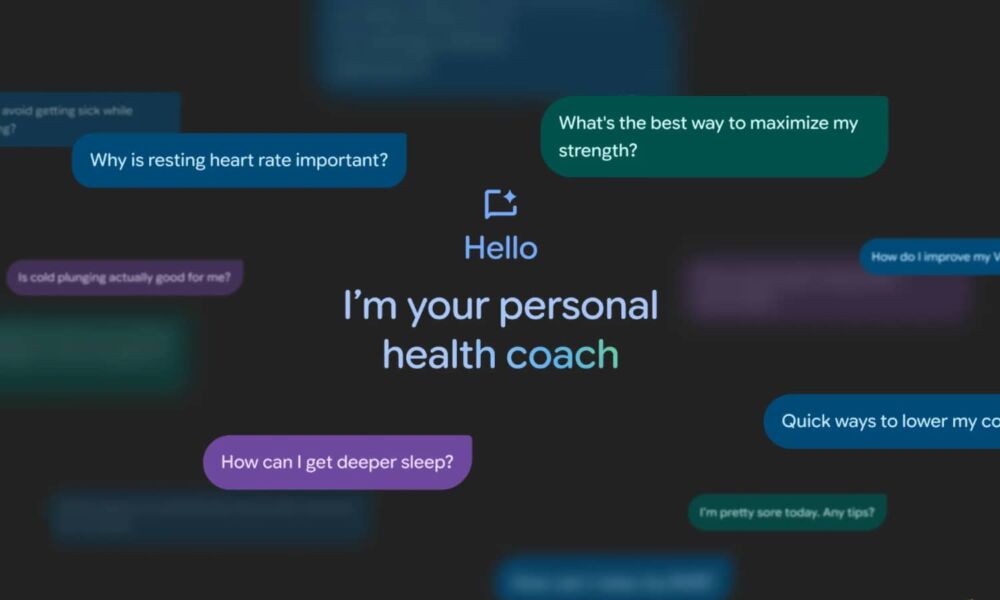
Powered by Google’s Gemini AI assistant, Fitbit AI is described as a “personalized fitness trainer, sleep expert, and health & wellness advisor, using your data to create custom workout plans, analyze your sleep patterns, and answer your health questions.”

New users start with a five-to-ten minute conversation with the coach to lay out their goals and motivations. Once that’s complete, the Fitbit app will then offer up personal health insights in the morning, after workouts, and before going to bed.
The app generates a personalized workout plan, tracking core fitness metrics, analyzing the user’s sleep patterns, and providing suggestions to improve sleep. The app tracks the user’s body temperature, blood oxygen, and heart rate. A chatbot is available for health-related questions.
This expansion comes as Apple is reportedly scaling back on its own AI health plans. Apple had reportedly been working on a health coach feature similar to Google’s, which it would include as a component of its “Health+” service it had planned to launch alongside iOS 27 this year. However, Bloomberg’s Mark Gurman indicates Apple is pulling back on its AI health plans.
Dubbed “Project Mulberry,” the AI health initiative aimed to use an AI agent to create an “AI doctor” for Apple users. While this retreat may seem like a bad thing for Apple, reports suggest it’s a strategic move to reposition its health service into a series of focused tools that could be more appealing to customers, prioritizing a few specific, highly-vetted features.
Sources tell Gurman that Apple services chief Eddy Cue, who took over the reins of Apple’s health and fitness services last year, is pushing for Apple to “move faster and be more competitive in health,” and believes the proposed “Health+” service would not offer enough compelling and useful features or be flexible enough to keep up with rival offerings like Oura, Whoop, and Fitbit.
While Apple may be at the very least delaying its plans for “Health+,” some of the components developed for that project are likely to be rolled out as individual features, possibly later this year in iOS 27, as Gurman reports that Apple now plans to roll out smaller features “individually over time within its Health app.”
Such a move would have twin benefits for Apple. First, it would allow Apple to be seen as more agile by quickly rolling out individual health features instead of waiting for a whole package to be ready for prime time. Further, rolling out health features individually could help Apple avoid the regulatory hurdles or delays inherent in launching a full-featured “AI doctor.”
If you’re a Fitbit Premium subscriber with an iPhone or an Android device, you can now try the app in the United States, UK, Canada, Australia, New Zealand, and Singapore. Fitbit Premium is priced starting at $9.99 per month.
To gain access to the Public Preview, you must first have a Fitbit Premium subscription and meet other eligibility criteria. Eligible users can sign up through the Today screen or Account Settings within the Fitbit iOS app.
The service is compatible with several Fitbit devices, including the Charge 6, Inspire 3, Versa 4, and Sense 2, as well as Google’s Pixel Watch 3 and 4. While there is still no native Fitbit app for the Apple Watch, the iPhone app can bridge the gap by pulling data from Apple’s Health app through the standard integration available to all third-party fitness apps.
Even so, Apple isn’t sitting still. While Gemini is slated to provide the “brains” for a more powerful Siri later this year, some reports suggest Apple still intends to use its own in-house models for sensitive health features. For now, unless you’re ready to switch to a Fitbit, Apple Watch users may want to wait and see what Apple comes up with in iOS 27.
[The information provided in this article has NOT been confirmed by Apple and may be speculation. Provided details may not be factual. Take all rumors, tech or otherwise, with a grain of salt.]