Your Router Just Became a ‘National Security Risk’ (But Don’t Panic Yet)

Toggle Dark Mode
Nearly every residential wireless router in the United States is now banned from being imported into the country, thanks to a new ruling from the Federal Communications Commission (FCC).
As reported by Mactrast, the FCC has determined that all routers manufactured outside of the US “pose unacceptable risks to the national security of the United States or the safety and security of United States persons.”
As a result, the agency yesterday banned the importation and sale of all foreign-made internet routers, saying:
The Executive Branch determination noted that foreign-produced routers (1) introduce ‘a supply chain vulnerability that could disrupt the U.S. economy, critical infrastructure, and national defense’ and (2) pose ‘a severe cybersecurity risk that could be leveraged to immediately and severely disrupt U.S. critical infrastructure and directly harm U.S. persons.’
The move mirrors the FCC’s December 2025 decision to ban DJI and other foreign-made drones, utilizing the same national security framework to block new hardware from entering the country. In this case, the router ban likely related to a 2025 report that thousands of routers sold by Asus had been compromised by a botnet. Routers sold by Cisco, D-Link, and Linksys were also targeted by the botnet.
In late 2024, investigators at three separate US government agencies announced they had opened investigations into TP-Link routers, a company that makes up 65 percent of the router market share in the US for homes and small businesses — partially thanks to badged versions of the routers being supplied to customers by over 300 internet service providers. Investigators said TP-Link routers had been turned into a botnet designed to carry out cyber attacks on US organizations and suppliers, including the Department of War (the agency formerly known as the Department of Defense).
The new ruling makes it illegal to import and sell nearly every wireless router used in US homes, as the vast majority of routers are assembled outside of the United States. This covers everything from the high-end mesh systems you’ll find at Best Buy to the standard-issue boxes provided by your ISP. This means that ISPs will be required to switch to US-made models.
Does This Mean I Can’t Buy a New Router?
The good news here is that you won’t see store shelves cleared overnight. That’s because the FCC ruling is only about refusing to authorize new hardware products. Existing, previously authorized models can stay on sale — and even continue to be imported into the US — but the ruling slams the door on any new foreign-made hardware models trying to enter the country, effectively freezing the US router market in time.

In other words, you probably won’t notice much of a difference until the next major technology upgrade. It’s eventually finding a Wi-Fi 8 router in the US that will be the real problem.
The router ban is also extremely wide-ranging due to how a “foreign-made” router is defined, as the ruling states that “Production generally includes any major stage of the process through which the device is made, including manufacturing, assembly, design, and development.” In other words, even US companies like Eero, Google, and Netgear are likely caught in this net, since they manufacture most of their hardware in Southeast Asia and China. Apple would be too if it still made AirPort routers (let’s hope the FCC never deems smartphones a “national security risk”).
While router makers can attempt to prove that their devices are safe to receive a “Conditional Approval” exemption to the ban, it seems that this process is a long and rocky road, especially since it requires companies to move their manufacturing onto US soil. Then again, the FCC also loosened its drone ban in January after determining that some of the drones on the Covered List didn’t actually pose national ?security risks, so there’s a glimmer of hope that we might see something similar with the router ban.
Does This Affect the Router I Already Have?
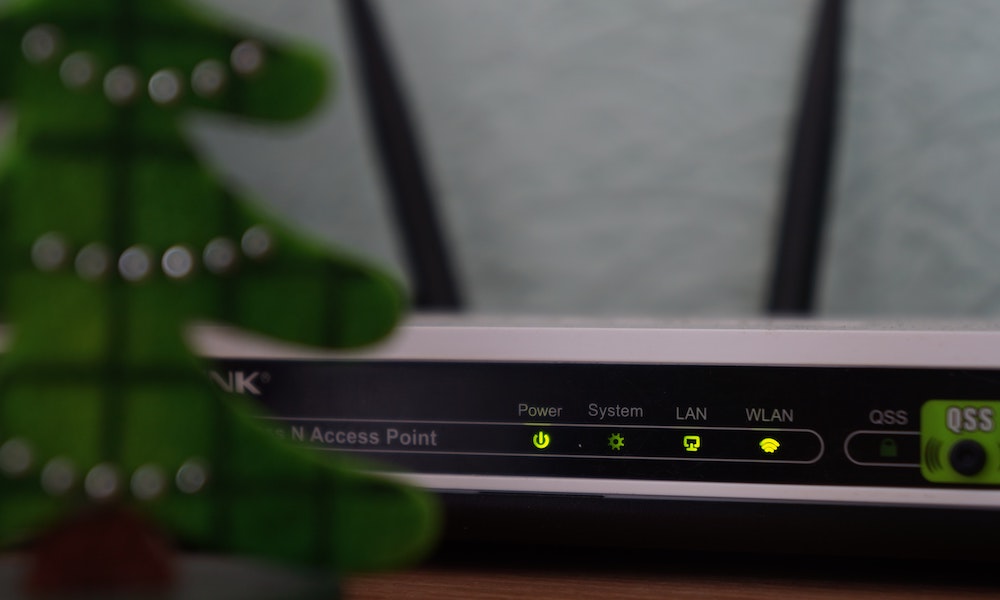
While new devices on the covered list are prohibited from receiving FCC authorization and are prohibited from being imported for use or sale in the US, the update to the covered list doesn’t prohibit the import, sale, or use of any existing device models the FCC previously authorized.
The ban only applies to the importation and sale of new foreign-made routers. This isn’t a ban on the router sitting in your living room today; it’s a ban on the manufacturers releasing anything new until they move their factories to US soil. It’s not that the FCC doesn’t consider all foreign-made routers a security risk; it’s simply being pragmatic and accepting the existing risk as preferable to blowing up the US router market.
This means that even if your router is now banned from sale in the US, you can continue to use the router in your home or small business without fear of the “Wi-Fi police” showing up at your door. However, keep in mind that the FCC is reserving the right to ban firmware updates for these “legacy” devices, which means they’re only guaranteed to receive security updates through March 2027, potentially leaving them vulnerable in the long run.
Oddly enough, the covered list does not restrict the import or sale of routers for the exclusive use by the federal government. So there’s that.