Apple Watch Slashes Post-Surgery ER Visits by 50%, New Study Finds
 Apple
Apple
Toggle Dark Mode
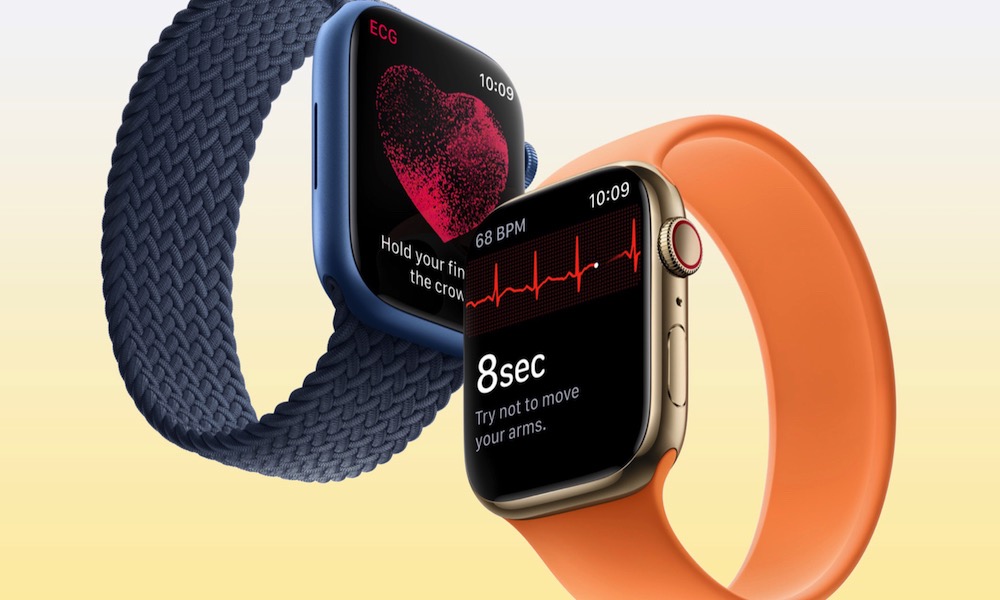
The Apple Watch has become popular for several reasons, not the least of which is its ability to detect undiagnosed atrial fibrillation (Afib), thanks in part to an electrocardiogram (ECG) feature that can check the wearer’s heart rhythm. Now, a new study shows the Apple Watch is equally useful in detecting issues and giving patients peace of mind after they’ve been treated for atrial fibrillation.
In a new study published in the Journal of the American College of Cardiology, researchers from St Bartholomew’s Hospital in London examined how the Apple Watch performs for patients who have already been diagnosed with and treated for Afib.
This research follows on the heels of other recent findings from Amsterdam University Medical Center that highlighted the watch’s efficacy in screening for undiagnosed Afib. However, the St Bartholomew’s trial takes things a step further by proving the watch can actually reduce unplanned hospitalizations by up to 50%.

Monitoring Post-Surgery Recovery
In the latest trial, researchers concentrated on patients that had already received an atrial fibrillation catheter ablation, which is a minimally invasive procedure that in many cases can restore normal heart rhythm by making small scars in the heart tissue via freezing or heating the tissue.
The clinical trial tracked 168 patients, divided into two groups.
The first group of patients were loaned an Apple Watch Series 5 and given a “a high-frequency monitoring protocol” requiring them to take regular daily ECG readings and additional ones if prompted to do so by the Apple Watch.
Meanwhile, a control group was not given an Apple Watch, and instead only had clinical appointments at three, six, and 12 months, with a cardiology specialist.
Faster Detection, Better Outcomes

The results of the study showed that those patients who wore the Apple Watch had a better chance of recurring atrial fibrillation being detected. On average, the Apple Watch group caught recurrences in 116 days — over two weeks faster than the 132-day average of the control group.
The Apple Watch group also had recurring atrial fibrillation detected more often, with 52.9% of the group being warned of the issue. Just 34.9% of the patients in the control group saw recurring atrial fibrillation being detected. The study notes the results were “driven by more cases of paroxysmal AF.”
Reducing the Burden on Hospitals
Perhaps most significantly, unplanned hospitalizations were also lower in the Apple Watch-wearing patient group, with only 22 patients in the Apple Watch group requiring unscheduled hospitalization, compared to 47 in the control group. The reduced number of hospitalizations was attributed to the immediate “patient-facing diagnosis” provided by the Apple Watch that likely resulted in fewer people rushing to the ER for heart palpitations that turn out to be “benign arrhythmias” rather than atrial fibrillation.
The Apple Watch-based monitoring “reduced the time to recurrent arrhythmia detection, increased the overall detection yield, and was associated with fewer unplanned hospitalizations compared with standard care” the team of reserchers noted. “These findings may support the integration of patient-owned wearable devices into structured postablation follow-up pathways,” concluded the study.
If you’re a regular reader of iDrop News, you know that the results of the study aren’t really surprising, as we have shared several stories of how the Apple Watch’s ECG feature and other health-related features have saved lives by providing early detection of atrial fibrillation and other health issues.
Apple continues to develop new health monitoring features for the Apple Watch, and several clinical trials have proven the value of such features.