Silicon Snag? The First Apple C1X Modem Failure Just Surfaced
Toggle Dark Mode
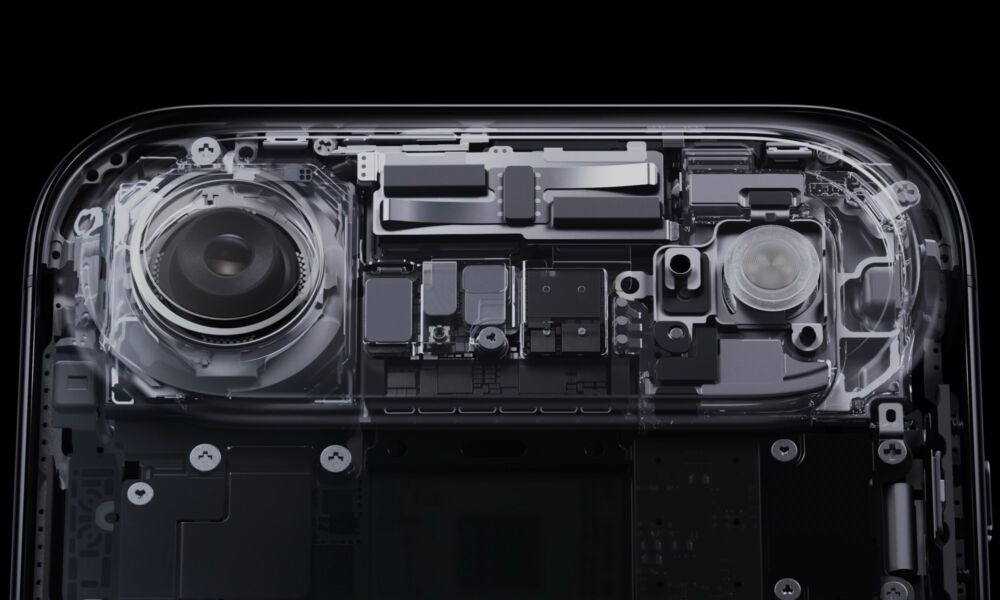
It was one year ago today that Apple launched its own first-party modem chip, bringing years of work to a culmination with the iPhone 16e. Six months later, it followed up that initial chip, dubbed the C1, with a more powerful C1X chip in its ultra-slim iPhone Air. While the new modem chips promise greater performance and power efficiency, at least one iPhone user has encountered an unprecedented hardware failure that’s likely related to it.
Earlier today, we spotted a Reddit thread from a user who reported waking up to a complete loss of cellular connectivity. After walking through some troubleshooting steps, they eventually ended up in a Mobile Service Diagnostics section which detected an issue with the iPhone’s hardware.
So I woke up this morning and saw no cellular network on my iPhone air. Checking the network settings led to this. Phone has been in case since day one and has no physical damage.
Reddit user ‘itstheskylion’
The same Reddit post was also reported by Wccftech and MacRumors, although we don’t seem to have any additional context beyond what the iPhone Air user has reported, and Apple has yet to comment.
The iPhone owner noted that he was using a dual SIM configuration with two different providers, neither of which was working, and had also tried restarting, doing a soft reset, and resetting the network settings.
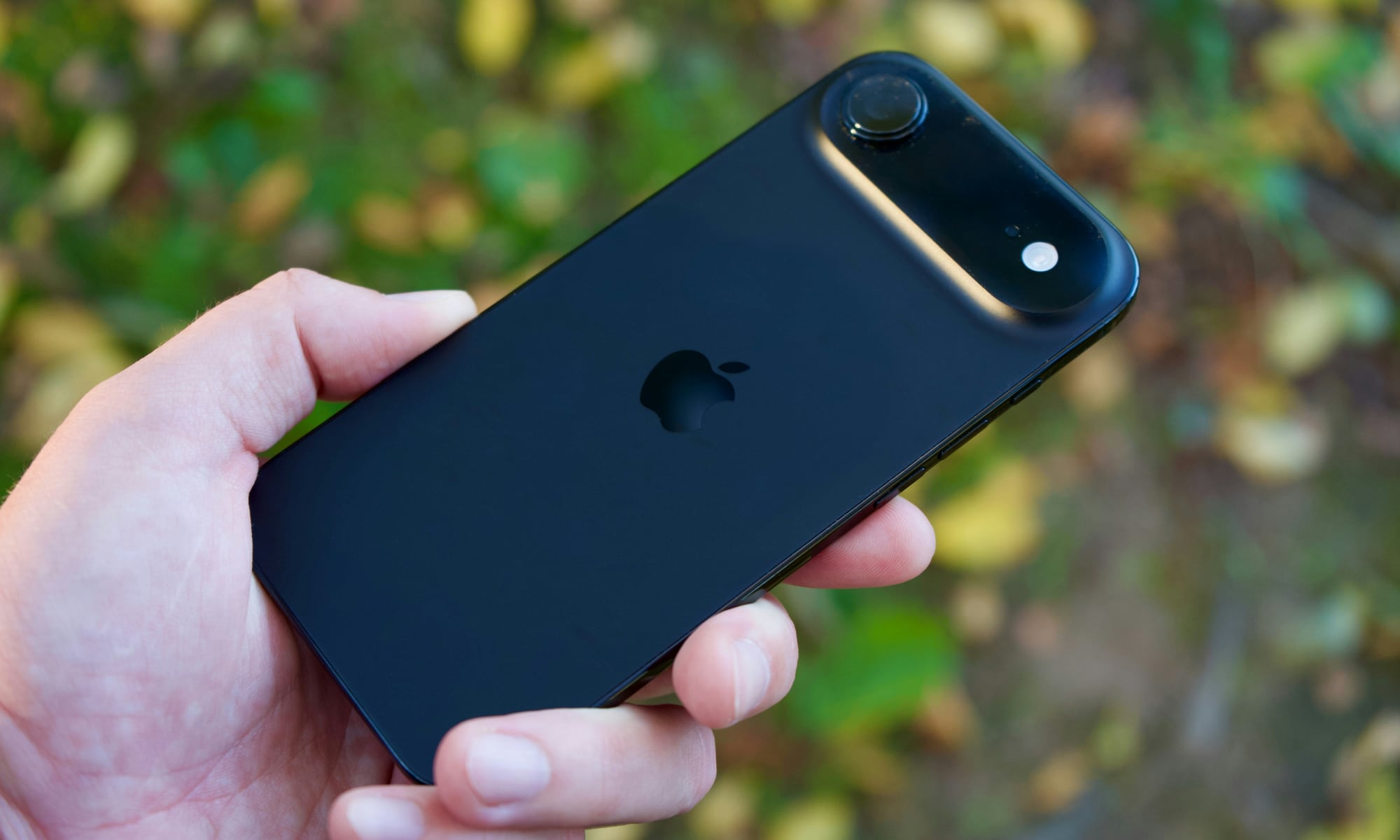
The iPhone Air may not be the most popular model in Apple’s lineup, but the company has still sold millions of them, so one failure is obviously a very isolated incident. However, modem failures were also almost unheard of in the days of Qualcomm and Intel chips. That’s not to say that iPhone hardware problems don’t occur, but many previous failures like this were broader logic board problems that often affected far more than just cellular connectivity.
Although Apple stuck with Qualcomm modems for last year’s other iPhone models — the iPhone 17, iPhone 17 Pro, and iPhone 17 Pro Max. The company has never commented publicly on its reasons for for that, but the consensus is that the Qualcomm chips still deliver better performance and, most significantly, support for the extremely high mmWave frequencies that deliver better performance on densely packed networks in places like airports and stadiums. However, it did adopt its own Wi-Fi/Bluetooth chip, the N1, and we’re expecting to see the C1X return in the iPhone 17e that’s coming any day now.
Even though mmWave support remains confined to the US models, it’s an important competitive advantage when positioning the iPhone against rival flagships. Apple hasn’t equipped its C-series chips with mmWave yet, although it’s reportedly working on a next-generation “C2” chip for this year’s iPhone 18 Pro models that’s expected to not only include that tentpole capability, but also pave the way for 5G satellite connectivity.
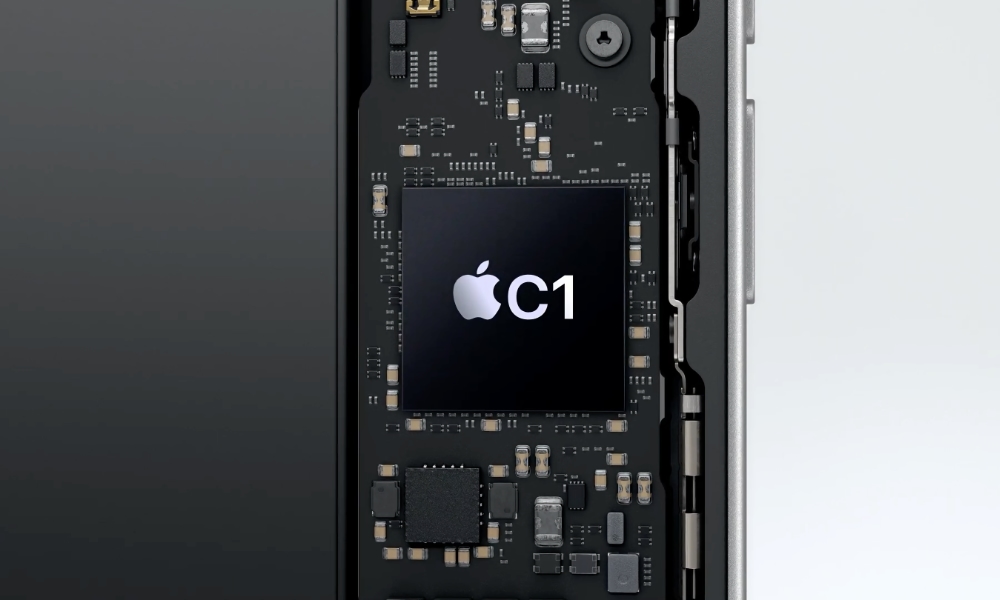
In addition to delivering the kind of performance and efficiency improvements that can only come from first-party chips, Apple’s C-series modems also enable it to deliver unique privacy features, such as a new “Limit Precise Location” setting in iOS 26.3 to block carrier tracking.
It would be unreasonable to consider a single reported iPhone Air failure as an indictment of Apple’s modem technology, but first-generation devices also typically have their growing pains, and as good as Apple’s silicon engineering is, there’s a difference between its first attempt at a modem chip and Qualcomm’s chips, which are now into their eighth generation of 5G modems — and that doesn’t include the 4G/LTE, and 3G chips from the previous era.
Apple will undoubtedly address this Redditor’s iPhone Air under warranty, but we can imagine it will also be quite curious to take it apart and look at the diagnostic logs to see what actually happened to its C1X chip and the plumbing behind it.