Amazon’s ‘Prime Video Ultra’ Puts 4K Behind a New Paywall
Toggle Dark Mode
Amazon’s streaming video service has long been one of the best perks of an Amazon Prime subscription. However, that advantage has diminished a bit over the past year or so as the e-tail giant followed the rest of the streaming industry into ad-supported viewing experiences.
Although Amazon held out a bit longer than many of its rivals, it eventually succumbed the lure of advertising dollars, but it also did so with its own unique twist. When Netflix announced its more affordable ad-supported plan in 2022, it left its existing customers with their ad-free experiences unless they chose to switch (it eventually did kill its ad-free “Basic” plan, but even then, it didn’t force customers off until a year later).
Amazon took the opposite approach. In early 2023, it announced that all Amazon Prime subscribers would start getting ads unless they ponied up an extra $2.99 per month for the “ad-free” plan.
Granted, Amazon Prime Video being bundled with a standard Prime membership put the company in a more awkward position, but it left a bad taste in many customers’ mouths as it was effectively a price hike. Adding insult to injury, Amazon didn’t just start running ads on the basic Prime Video service; it also turned off Dolby Vision and Atmos. That sparked at least one class action lawsuit that left us wondering if Amazon wouldn’t have been better off just hiking the price of Amazon Prime and then sneaking in the ad-free tier as a “discount” option.
While that’s water under the bridge, it seems that Amazon isn’t done raising prices. This week, the ad-free plan got a new name — and a new price to match.
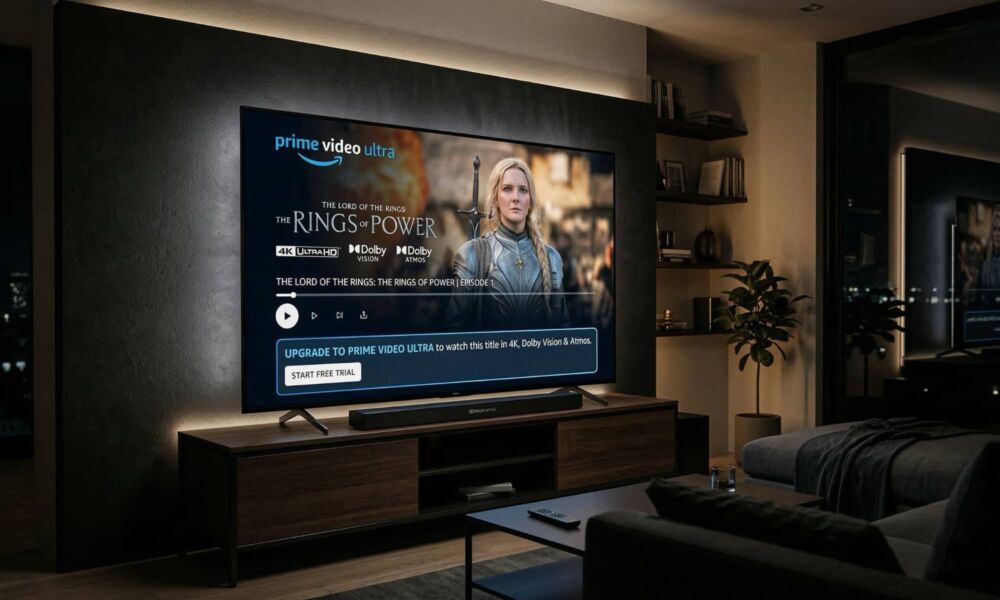
Starting on April 10, subscribers who want an ad-free experience and 4K resolution will need to start paying $4.99 per month for Prime Video Ultra. That’s a $2 increase from the $2.99 premium for the ad-free plan, and it’s in addition to the base Amazon Prime subscription.
Delivering ad-free streaming with premium features requires significant investment, and this structure aligns with other major streaming services while ensuring customers have the flexibility to choose how they want to watch. Prime members will continue to enjoy the core Prime Video benefit, including HD/HDR and now Dolby Vision, at no additional cost with their Prime membership.
Amazon
Amazon also isn’t through taking stuff away from their standard Prime customers. While the 2024 upgrades walled off Dolby Vision and Dolby Atmos, the April update will pull 4K streaming entirely, limiting those who don’t pay up for Ultra to streaming at 1080p HD.
As an olive branch of sorts, Dolby Vision will return to the ad-supported plans, albeit only in 1080p. That will make the primary distinction one of streaming resolution — 4K/UHD versus HD — rather than HDR formats. However, Dolby Atmos will remain exclusive to Prime Ultra subscribers.
Amazon is also increasing the number of downloads and simultaneous streams, which previously sat at 3 streams and 25 downloads for both tiers. Here’s the breakdown:
| Prime Video | Prime Video Ultra | |
|---|---|---|
| Video | Dolby Vision/HDR in 1080p | Dolby Vision/HDR in 4K/UHD |
| Audio | Dolby Digital 5.1 | Dolby Atmos |
| Concurrent Streams | 4 | 5 |
| Offline Downloads | 50 | 100 |
| Price | Included with Amazon Prime; $8.99/month standalone |
$4.99/month with Amazon Prime; $45.99/year standalone |
Prime Video Ultra still won’t offer a completely ad-free experience, either. As before, subscribers to the higher-tier plan will still see ads during live sports, like NFL or NBA games.
Amazon is far from alone in the realm of price hikes, but it’s unfortunately approaching the problem in a way that won’t likely sit well with many consumers. While Netflix and Disney+ both limit things like 4K/UHD to their higher-priced “Premium” tiers — which also keep getting more expensive — they’ve managed to structure their plans in such a way that it never feels like they’re taking anything away.
By contrast, Amazon Prime customers are facing a second downgrade, with 4K streaming being taken away unless they’re willing to pay for a more expensive plan. Even though this is arguably the same sort of price increase that every other streamer has been putting us through, it’s no wonder some have been left with the feeling that Amazon is shaking them down for more money.
Even Apple hasn’t been immune from price increases, although it’s followed a distinctly different strategy from the rest. Apple TV has only one tier, which provides full 4K/UHD with Dolby Vision and Dolby Atmos for everyone, and now includes Formula One racing, Major League Soccer, and MLB Friday Night Baseball. Apple also has a bit more in common with Amazon, in that it offers Apple TV as part of an Apple One bundle, making it nearly free for anyone who is more interested in other services like Apple Music and iCloud+.
Still, Apple has raised the price three times from the $4.99 it launched at, but the most recent hike last summer only increased the monthly price to $12.99, while leaving the annual rate at $99. That works out to $8.25 per month, and it’s such a great deal that we had to assume Apple’s monthly increase was primarily about reducing subscriber “churn” — getting people to stick around for the long haul. That’s a problem nearly every streaming service faces, but it’s arguably a bigger one for Apple, which doesn’t have the breath of content of most of its rivals.