15 Reasons Why ‘Dumb Phones’ Are Making a Comeback

Toggle Dark Mode
Smartphones are some of the most powerful tools we’ve ever carried. They handle communication, navigation, entertainment, work, finances, and more, all from a single slab of glass in your pocket. They’re efficient, capable, and deeply integrated into modern life.
Unfortunately, they’re also a double-edged sword that’s incredibly good at pulling your attention away from whatever you’re actually supposed to be doing.
That is an issue many of us have, and it seems like it’s constantly getting more serious. That’s why dumb phones have started showing up in conversations again. Sometimes they’re called feature phones, or minimalist phones. You might even hear people call them “detox phones.”
The label matters less than the motivation. A growing number of people are realizing that while smartphones solve many problems, they also create new ones around focus, mental load, boundaries, and time.
A dumb phone isn’t a universal solution, and it’s not a statement that you just want to be different. It’s more of a tradeoff. For some people, that tradeoff feels restrictive, while for others, it feels freeing. And for many, even a short experiment can change how they think about their relationship with technology.
If you’ve ever felt curious about simpler phones but couldn’t quite articulate why you’d bother, here are the most common reasons people try to stick with a dumb phone over a smartphone.
You Want Fewer Distractions From the Get-Go
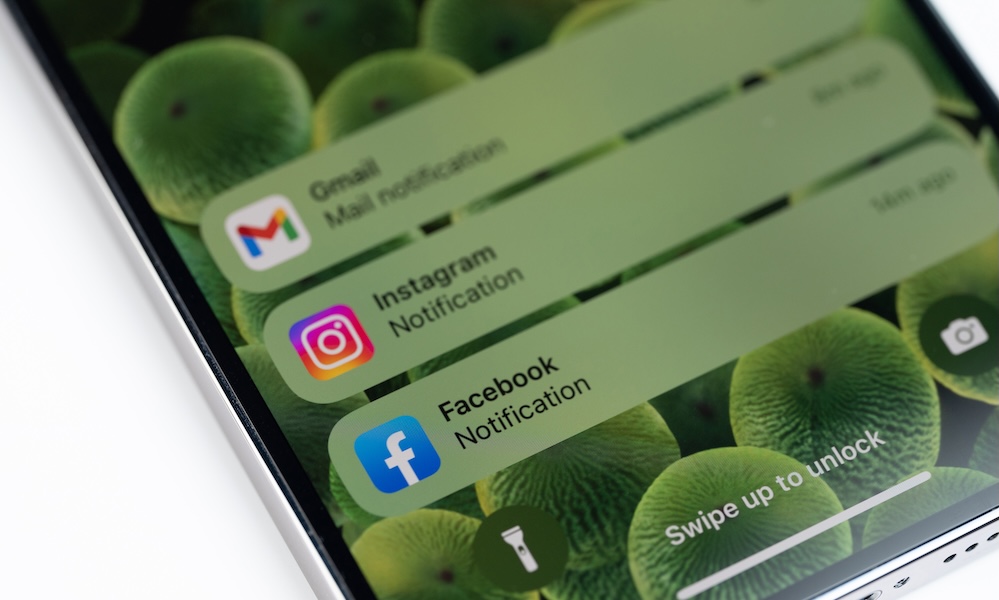
One of the biggest appeals of a dumb phone is that it removes all those daily temptations we all know and love to hate. Smartphones invite distraction by default. Social feeds, video apps, endless notifications, and constant updates all live one tap away. Even if you don’t consider yourself addicted, the design encourages you to frequently check your phone.
A dumb phone doesn’t rely on self-control. Instead, it changes the environment. When your phone can only handle calls, texts, and a few basic functions, there are simply fewer traps to fall into. You stop doing those quick checks that quietly turn into long scrolls. Your phone stops feeling like a portal to everything and starts feeling like a tool again. Plus, there aren’t any addictive games that you’ll want to play. At most, you’ll get to play Snake for a couple of minutes.
This is especially helpful if you’ve tried app limits, focus modes, or screen-time controls and found yourself bypassing them. A simpler device removes the need to constantly negotiate with yourself.
You’re Tired of Notification Overload
Notifications are one of the most underestimated sources of mental fatigue. Even helpful alerts break focus, pull your attention outward, and train your brain to constantly wait for that buzz sound your phone makes. Over time, you stop responding thoughtfully and start reacting automatically.
With a dumb phone, notifications are limited by nature. There are fewer apps, fewer systems competing for your attention, and fewer reasons for your phone to light up. That doesn’t just mean fewer interruptions. It means you’ll also become calmer.
Instead of constantly bracing for the next alert, you can actually settle into what you’re doing. That difference becomes noticeable surprisingly quickly.
You Want Your Mornings and Evenings Back

For many people, the first and last thing they see each day is a smartphone screen. That habit feels harmless, but it shapes how your day begins and ends. A flood of information first thing in the morning can put your brain into reactive mode before you’ve even started, and late-night scrolling can quietly steal sleep and keep your mind racing.
A dumb phone makes those habits harder to maintain. Without endless content waiting for you, you’re more likely to replace scrolling with something slower and more grounding. Staying focused becomes easier, conversations last longer, and bedtime routines feel calmer.
This is one of the reasons people often describe dumb phones as making their days feel longer, even though nothing about the clock has changed.
You’re Trying to Reduce Stress and Mental Clutter
Smartphones create a constant sense of unfinished business. You have messages waiting for replies, apps asking for attention, and constant updates that never pause. Even when nothing urgent is happening, your brain stays partially engaged, scanning for the next thing.
On the other hand, a dumb phone reduces the number of apps and news feeds competing for your attention. There’s less to monitor, fewer updates, and fewer reasons to keep checking your phone. Many people describe this as feeling mentally lighter, not because life becomes simpler, but because their attention isn’t being fragmented all day long.
If you often feel mentally tired without a clear cause, your phone may be playing a larger role than you realize.
You Want Better Focus
It’s easy to assume productivity issues stem from too much work or poor time management. In reality, constantly switching between work and pleasure plays a huge role. Every time you check your phone, your brain has to take a few moments to remember what it was doing before you return to your task. Over a day, those small interruptions add up.
A dumb phone makes frequent checking less rewarding. There’s simply less to gain from unlocking a phone that has nothing new. As a result, you’re more likely to stay with a task long enough to finish it. That sense of completion matters, as it builds momentum and makes work feel more manageable.
Many people find that even though they technically give up features, they get more done because their attention is no longer constantly splintered.
You Want a Cleaner Relationship With Social Media
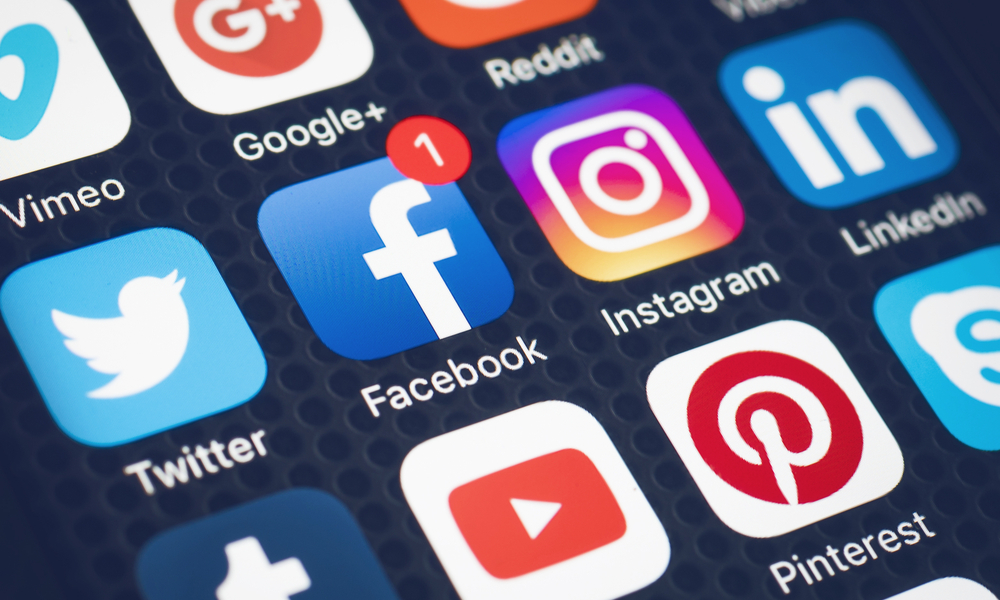
Social media isn’t inherently bad, but it’s designed to keep you engaged. The endless feed, the dopamine rewards, and the subtle comparisons all work together to keep you scrolling longer than you intended. However, the more you browse social media, the more time you’ll waste. Not to mention that there are many negative side effects when it comes to social media and mental health.
A dumb phone changes how you access social apps. Instead of being available at every idle moment, social media becomes something you check intentionally, often on a laptop or tablet. That shift alone can dramatically change how it feels.
When social apps stop living in your pocket, you’re less likely to compare your life to everyone else’s highlight reel. You also regain control over when and how you engage, instead of letting an algorithm decide for you.
You’re Sick of Being Always Reachable
Smartphones blur the line between availability and “me time.” When email, messaging apps, work chats, and social platforms all live on one device, there’s an unspoken expectation that you’ll respond quickly. Even if no one says it directly, it shapes behavior.
A dumb phone restores better, healthier boundaries. Calls and texts still come through, but everything else slows down. You’re no longer carrying your entire digital life with you at all times, which makes it easier to decide when you’re working and when you’re not.
For freelancers, remote workers, and anyone who struggles with work bleeding into personal time, this alone can be reason enough to experiment.
You Want Better Battery Life
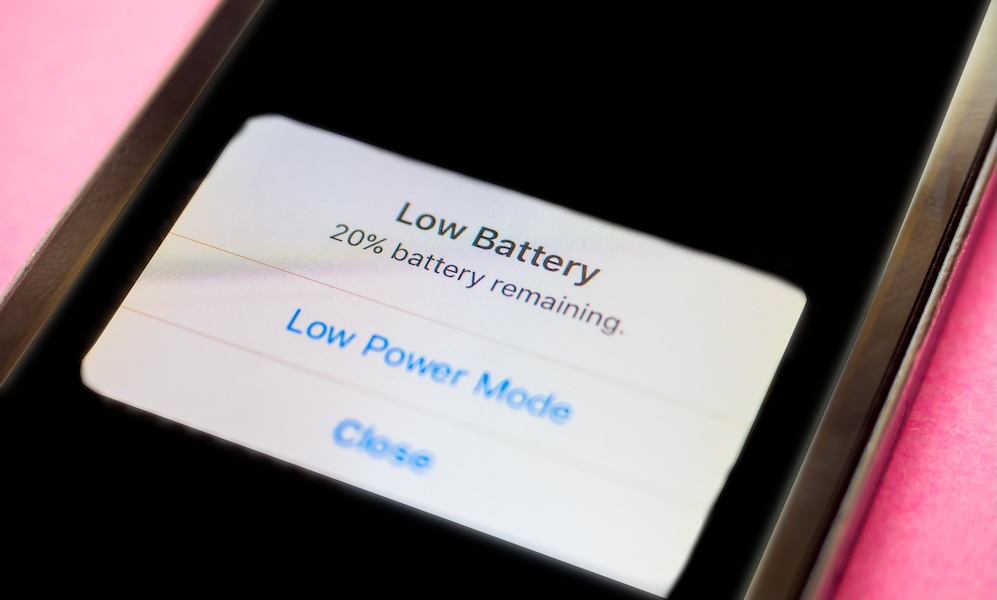
Modern smartphones demand constant battery management. You think about battery percentage, carry chargers, hunt for outlets, and adjust settings just to make it through the day. Over time, that low-level concern becomes part of your routine.
Dumb phones usually last far longer on a single charge, especially since they’re on standby for so long. Some dumb phones could, in theory, last days instead of hours. That changes how you move through the day. You stop planning around your battery and stop feeling tethered to a charging cable.
It’s a small shift, but it removes one more thing from your mental checklist.
You Want a More Durable Phone
Smartphones are fragile by design. Glass screens, delicate internals, and expensive repairs make them something you constantly protect. Sure, companies have made their phones more durable than ever. While cases help, they don’t erase the underlying anxiety of carrying a $1,000 piece of glass.
Many dumb phones are built to be practical rather than beautiful. They’re meant to survive drops, dust, and daily wear without any issues. That makes them great for travel, outdoor activities, festivals, or simply days when you don’t want to worry about damaging an expensive device.
Even as a secondary phone, that durability can be liberating.
You Want to Spend Less Money
Smartphones are one of the most expensive consumer electronics that people replace regularly. Even when spread across monthly payments, the cost adds up, and the pressure to upgrade never really goes away.
Dumb phones are usually far cheaper. Replacement costs are lower, and they often work well with more affordable phone plans. That reduces financial stress and removes the sense that your phone is a major investment you need to protect.
You Want More Privacy

Most privacy concerns don’t come from the phone itself. They come from the app ecosystem layered on top of it. Every app brings its own data practices, trackers, and background activity.
A dumb phone dramatically reduces that issue. Fewer apps mean fewer places for your data to be collected, shared, or analyzed. While it won’t make you invisible — cell towers can still track your location — it does simplify your digital presence.
For people who care about privacy but don’t want to constantly manage permissions and settings, this can feel like a cleaner solution.
You Want to Be More Present With People
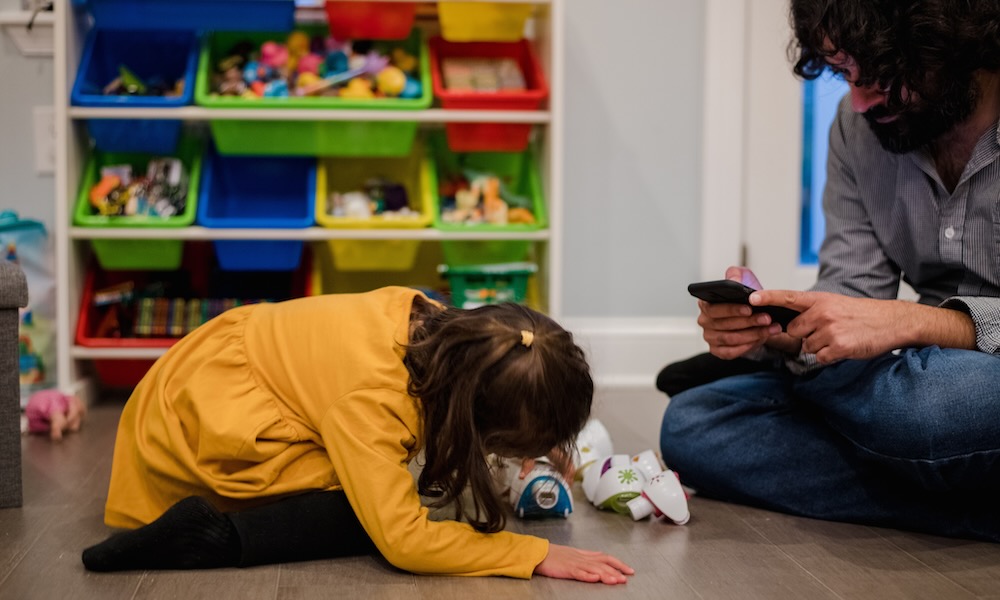
Smartphones make divided attention easy. You can be in a conversation while half your mind is elsewhere, checking notifications or reacting to alerts. Over time, that habit erodes the quality of your interactions with your loved ones.
A dumb phone makes that behavior less likely. There’s simply less to do on it, which makes it easier to stay engaged with the people around you. Conversations feel deeper and less interrupted. Time spent together feels more intentional (as long as the other person is also off their phone, that is).
Many people are surprised by how calming focusing on a single task can be, and how much they miss when they’re not paying attention to people.
You Want a Simpler Tech Lifestyle
Not everyone wants their phone to do everything. When your device is your camera, wallet, entertainment center, news source, and office, you end up managing all of those roles. That means settings, updates, accounts, storage, and constant decisions.
A dumb phone changes that entire experience. There’s less to configure and less to maintain. You spend less time organizing your phone and more time living your life.
You Want a Safer Option for Your Kids

Many families struggle to find a middle ground between no phone and full smartphone access. At the same time, there are teens who openly acknowledge that they spend more time on their phones than they’d like.
A dumb phone offers communication without opening the door to social media, algorithm-driven content, and endless scrolling. It allows for coordination and safety while keeping boundaries clearer and easier to enforce.
This reason doesn’t just apply to kids. Adults who feel their own habits slipping often find value in setting similar boundaries for themselves.
You Want to Try a Minimalist Lifestyle
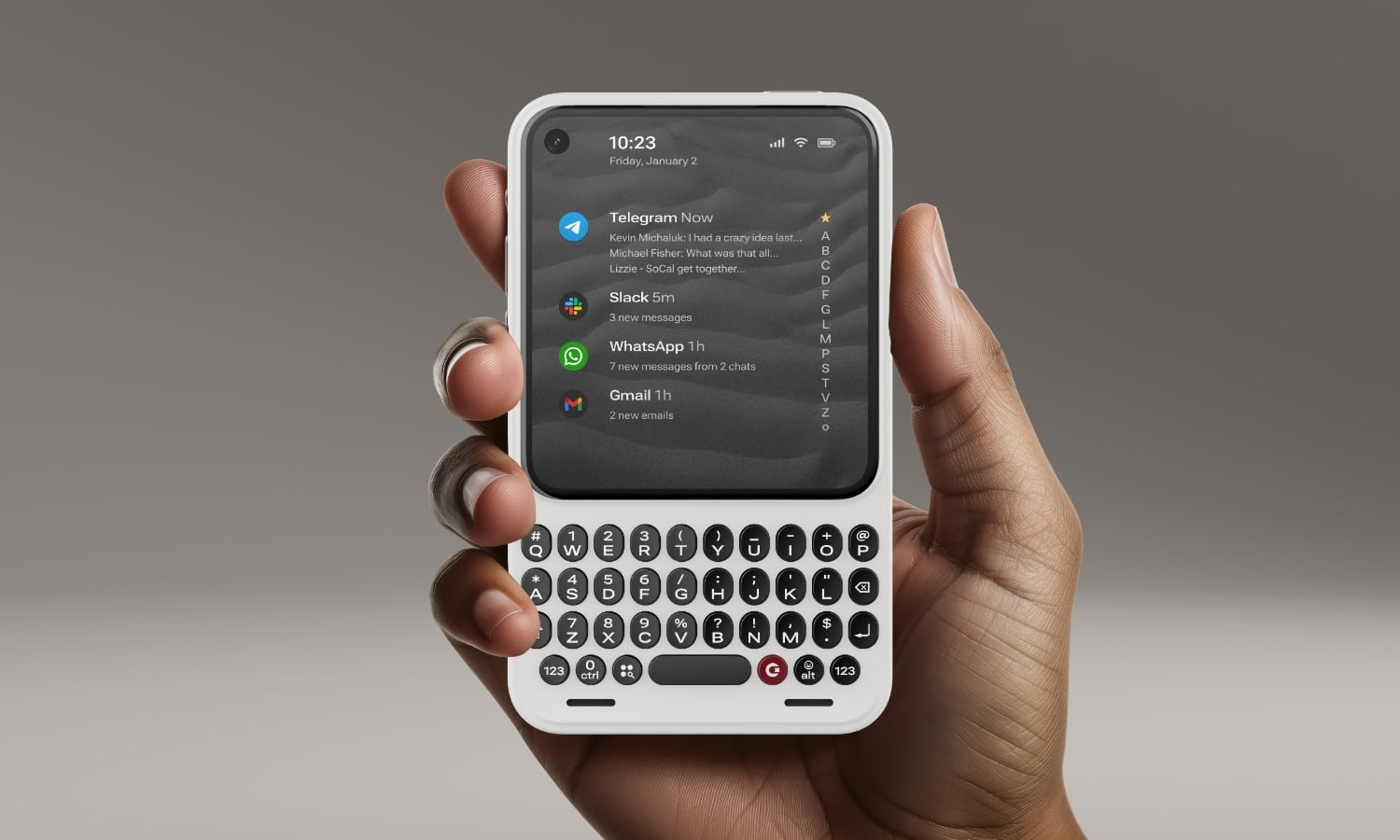
Going fully back to calls and texts isn’t appealing to everyone. That’s where minimalist phones like the Punkt and recently-unviled Clicks Communicator come in. These devices aim for a middle ground between smartphones and dumb phones, keeping a handful of essential tools without becoming full smartphones.
Navigation, music or podcasts, notes, calendars, and basic utilities can still exist, but without app stores, social feeds, or constant updates. For many people, this makes the transition easier and more sustainable.
It’s not about rejecting modern life. It’s about choosing which parts of it you want in your pocket at all times.
Will You Make the Switch?
Trying a dumb phone doesn’t have to be extreme. It doesn’t require a full lifestyle overhaul or a public declaration about technology. For most people, it starts as an experiment.
Some switch for a weekend. Others use a dumb phone on workdays or during travel. Some keep it as a second device for focus-heavy weeks while leaving their smartphone at home. Even these partial changes can create a noticeable shift, because they break the habit of constant access.
The most useful way to think about a dumb phone is as a tool for protecting your attention. You may give up convenience in some areas, like maps, banking apps, ride-sharing, or two-factor authentication. But you may gain calmer mornings, deeper focus, stronger boundaries, and a phone that stops competing with your life for attention.
Even if you decide a dumb phone isn’t right for you long-term, the experiment itself is valuable. It shows you how much your daily experience is shaped by the device you carry, and how different things feel when that device stops asking for your attention every few minutes.